
Lung Health Check
Lung Health Check Price 1,800 Bath (Excluding VAT) Additional inquiries SEMed Living Care Hospital Open and Close Mon – Sat Time : 08.00 – 17:00 น. 02-199-2111 to 0 081-358-6493 (Mr.Aon) 086-368-5317 (Mr.ice) Primary ส่งข้อความเพื่อจองแพ็คเกจนี้! ชื่อ* นามสกุล* เบอร์โทรศัพท์* อีเมล* This site is protected by reCAPTCHA and the Google Privacy Policy and Terms of Service apply. แชร์
Annual Health Check-up

Benefits of Annual Health Check-Ups In today’s world, various factors contribute to health risks, including environmental pollution, dust, chemical contaminants, stress, unhealthy lifestyle behaviors, genetics, and aging. These factors can cause illnesses and severe diseases. Annual health check-ups are crucial for understanding your body’s condition, identifying abnormalities or risks before symptoms appear, or before diseases progress to harder-to-treat stages. Preparation for Annual Health Check-Ups Get Enough Rest: Ensure at least 6-8 hours of sleep before the check-up, as it affects blood pressure and heart rate. Avoid Food and Drinks: For blood sugar tests: Avoid food and drinks for at least 8 hours (sipping water is allowed). For lipid profile tests: Avoid food and drinks for at least 12 hours (sipping water is allowed). Avoid alcoholic beverages for at least 24 hours before the check-up. Avoid energy drinks, tea, coffee, and smoking before the check-up, as they can affect blood pressure readings. Prepare Health Information: Inform your doctor of any illnesses, exposure to hazardous chemicals, abnormalities, chronic conditions, or other health histories. Bring previous health check-up results or medical records for the doctor’s reference. Notify if Pregnant: If you are pregnant or suspect pregnancy, inform the staff before the check-up. Some tests may affect pregnancy, such as chest X-rays, muscle function tests, or lung function tests. Wear Comfortable Clothing: Wear comfortable, non-restrictive clothing. For blood pressure measurement or blood tests, wear clothing that allows easy access to your arms. For chest X-rays, women should avoid wearing underwire bras to prevent interference with the imaging. For More Information: Tel 0-2199-2111 To 161 Department market Or 081-358-6493 (Mr.Aon), 086-368-5317 (Mr.ICE) Email : [email protected] Line : @semed Facebook : SEMed living care hospital แชร์
MERS VIRUS
The disease is caused by the Marburg virus, which belongs to the Filoviridae family, the same family as the Ebola virus. Outbreaks have been reported in several African countries, including Uganda, Zimbabwe, Congo, Kenya, Angola, and South Africa. Reservoir animals in the area include fruit bats and monkeys, which can transmit the virus to humans. Recently, an outbreak was reported in Equatorial Guinea in West Africa in February 2023. Thailand classifies Marburg virus infection as one of the 13 dangerous communicable diseases under the Communicable Diseases Act, B.E. 2558 (2015). The Marburg virus is categorized in Risk Group 4 (high-risk pathogens). Symptoms of the Disease The incubation period ranges from 2 to 21 days, with a mortality rate of 24-88%. Initial symptoms include: High fever Fatigue Chills Muscle pain Headache Severe Symptoms (observed on days 5-10) Rash on the neck, back, and abdomen Nausea, vomiting, abdominal pain, diarrhea Hemorrhaging throughout the body Organ failure Transmission of the Disease Animal-to-Human Transmission Bat feces Contact with bodily fluids Human-to-Human Transmission Contact with blood, bodily fluids, and tissues from infected individuals or deceased persons Contact with contaminated objects Virus entry through mucous membranes such as eyes, nose, mouth, and skin lesions Diagnosis Detection of viral genetic material by RT-PCR Detection of antigens by ELISA in blood, serum, or organ samples Treatment There is no specific treatment. Severe cases require close monitoring and adequate fluid replacement. Preventive Measures There is no vaccine or specific treatment for both Ebola and Marburg viruses. Sexual activity should be avoided for 3 months post-illness or until the virus is no longer detected in semen. Source of Information High-Risk Pathogen Operations and Immunology Division Institute of Public Health Sciences Research Department of Medical Sciences Infectious Disease Society of Thailand แชร์
Dust PM 2.5
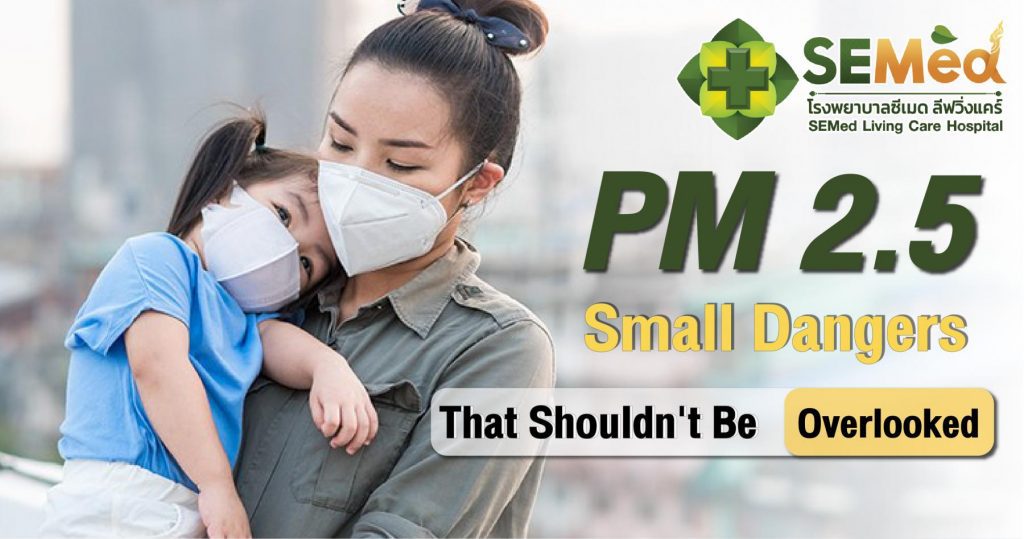
What is PM2.5? PM2.5 refers to particulate matter with a diameter of 2.5 micrometers or less. These tiny particles include dust, soot, dirt, smoke, and liquid droplets. Due to their small size—about 1/25th the width of a human hair—they can remain suspended in the air for extended periods and be easily inhaled into the respiratory system. Once inhaled, PM2.5 particles can penetrate deep into the lungs and enter the bloodstream, potentially causing various health problems. What is PM2.5 and Where Does It Come From? PM2.5 refers to particulate matter that is 2.5 micrometers or smaller in diameter. These particles include dust, soot, dirt, smoke, and liquid droplets. Due to their tiny size—about 1/25th the width of a human hair—they can remain airborne for long periods and penetrate deep into the lungs and bloodstream when inhaled, causing various health issues. Common Human-Made Sources of PM2.5: Traffic Emissions: Vehicles produce PM2.5 through exhaust fumes. Industrial Processes: Factories and industrial activities release PM2.5 into the air. Building Construction: Construction activities generate dust and particulate matter. Open Burning and Grilling: Activities like burning waste or grilling food release PM2.5. Smoking: Cigarette smoke contributes to PM2.5 levels. Environmental Conditions for PM2.5 Accumulation Cold and dry air, high atmospheric pressure, calm weather, and still winds contribute to the accumulation of PM2.5 in the air, making it more persistent and less likely to disperse. Health Effects of PM2.5 Short-Term Effects: Coughing and Sneezing Skin Irritation: Rash and itching Eye Irritation: Burning, redness Long-Term Effects: Cardiovascular System: Arrhythmia (irregular heartbeat) Increased risk of sudden cardiac arrest Heart attacks Stroke Hypertension (high blood pressure) Respiratory System: Asthma Chronic obstructive pulmonary disease (COPD) Increased respiratory infections Lung Cancer Diabetes Reproductive Health: Increased risk of miscarriage Premature birth Developmental and neurological effects on fetuses Vulnerable Populations Children: Higher respiratory rates and developing lungs make them more susceptible. Elderly: Age-related decline in respiratory function increases vulnerability. Pregnant Women: Developing organs of the fetus can be affected by PM2.5 exposure. Individuals with Pre-existing Conditions: PM2.5 can exacerbate conditions like allergies, asthma, and cardiovascular diseases. Outdoor Workers: Traffic police, street cleaners, street vendors, and motorcycle taxi drivers are exposed to PM2.5 for prolonged periods, leading to long-term health issues. Protecting Yourself from PM2.5 Monitor Air Quality: Stay informed about air quality levels through various channels. Watch for Symptoms: If you experience symptoms like coughing, chest tightness, dizziness, nausea, or vomiting, seek medical advice immediately. Reduce Activities that Generate PM2.5: Avoid activities like burning incense, grilling, burning leaves, or trash. Seal Your Home: Keep doors and windows closed, and use fans or air conditioners to circulate indoor air. Limit Outdoor Activities: Avoid outdoor activities when PM2.5 levels are high. If necessary, wear a dust mask and shower and change clothes upon returning home. Information Source: Health Impact Assessment Division, Department of Health, Ministry of Public Health แชร์
Influenza
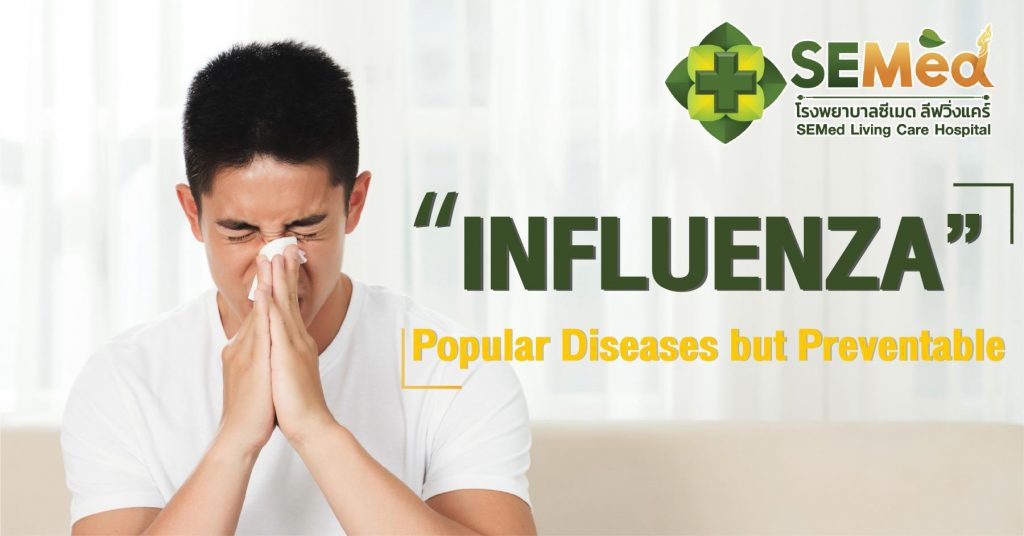
Acute Respiratory Viral Infection Characteristics Acute respiratory viral infections, notably influenza, exhibit sudden high fever, headache, muscle aches, and fatigue. Influenza is a major infectious disease, causing global pandemics with widespread outbreaks across almost every continent, resulting in millions of illnesses and deaths. Transmission Influenza viruses spread through respiratory droplets when an infected person coughs, sneezes, or talks. The virus can also spread by touching surfaces contaminated with the virus and then touching the nose or mouth. Dense populations, like in schools or factories, facilitate rapid transmission. Incubation Period The incubation period for influenza is about 1-3 days. Symptoms Symptoms begin 1-3 days after exposure and include high fever, runny nose, headache, chills, muscle aches, and severe fatigue. Additional symptoms may include nasal congestion and sore throat. Prolonged illness may lead to bronchitis and persistent cough. The disease is more severe and lasts longer than a common cold, typically resolving in 5-7 days, but severe cases can lead to complications like pneumonia or encephalitis, which can be fatal. High-risk groups include: Individuals aged 65 and older Children under 2 years old People with chronic diseases (lung, heart, kidney, diabetes, immunodeficiency) Obese individuals Pregnant women in their second or third trimester during influenza season Treatment Most cases are treated symptomatically. If influenza is suspected, consult a physician. Prevention Avoid contact with infected individuals. Wash hands frequently. Wear a mask when ill. Avoid crowded places. Vaccination Flu vaccination is crucial, especially for high-risk groups, to prevent severe complications. Who Should Receive the Flu Vaccine Children aged 6 months to 2 years Pregnant women (from 4 months gestation) Elderly (65 years and older) Individuals with chronic diseases (COPD, asthma, heart disease, stroke, kidney failure, diabetes, cancer patients undergoing chemotherapy) Individuals with brain disabilities who cannot care for themselves People with compromised immune systems, thalassemia patients, and symptomatic HIV patients Obese individuals (weight over 100 kg or BMI > 35) Healthcare workers exposed to influenza When to Get Vaccinated The flu vaccine can be administered year-round but is best given before the rainy season (May) and winter (October) due to the onset of outbreaks. Pregnant women are at a higher risk and should receive one flu shot from 4 months gestation to provide immunity for themselves and their unborn child. Vaccine Dosage Individuals aged 9 years and older: 1 dose Children under 9 years old who have never received a flu vaccine: 2 doses in the first year (4 weeks apart), then 1 dose annually thereafter. Contraindications for Flu Vaccination Severe allergy to egg protein Severe allergic reaction to a previous flu vaccine or its components Current acute illness or fever Recently recovered from acute illness (within 7 days) Recent hospital discharge (within 14 days) Uncontrolled chronic diseases (e.g., chest pain, palpitations, shortness of breath) High-risk pregnancy complications (e.g., toxic goiter, pre-eclampsia) Severe Allergic Reactions Severe reactions include difficulty breathing, hoarseness, hives, pallor, weakness, rapid heartbeat, or dizziness. Information Source : Department of Disease Control, Ministry of Public Health แชร์
Heat Stroke

Heat stroke, also known as “sunstroke,” is a condition where the body cannot regulate its internal temperature due to prolonged exposure to high temperatures. This causes the body temperature to rise continuously. When the body temperature increases due to exposure to hot weather, such as during intense physical activities or being in the heat for extended periods, the body fails to cool down, leading to abnormal symptoms like headache, dizziness, restlessness, confusion, seizures, unconsciousness, nausea, vomiting, rapid heartbeat, and shortness of breath. The skin may also turn red. Key Signs of Heat Stroke A significant sign of heat stroke is the absence of sweating despite hot weather, along with a continuously rising body temperature. Symptoms include intense thirst, dizziness, headache, confusion, nausea, rapid breathing, and vomiting. Unlike heat exhaustion, where sweating is common, heat stroke involves a lack of sweat. Immediate rest is necessary if these symptoms occur. Individuals at Risk of Heat Stroke During Summer Elderly individuals Children under 5 years old People with insufficient rest Heavy alcohol drinkers Workers in hot and humid environments Individuals with chronic diseases such as hypertension, diabetes, and heart disease People engaging in outdoor activities, such as athletes and soldiers, without adequate preparation for the heat First Aid for Heat Stroke When encountering someone suffering from heat stroke, provide first aid by moving them to a shaded area. Have the person lie down with their legs elevated, loosen their clothing, and use a cool, damp cloth to wipe their body and head. Use a fan to help lower the body temperature quickly. Avoid covering the body with a wet cloth as it may hinder the evaporation process. If the person does not regain consciousness, seek immediate medical assistance by calling emergency services at 1669. Preventing Heat Stroke If you start to feel very hot due to outdoor activities or work, take a break from the activity to cool down. Use a fan, drink cold water, and wipe your face and body with a cool cloth to help dissipate heat from your body. It’s essential to sip water frequently, even if you don’t feel thirsty. Additionally, wear light-colored, thin, and breathable clothing, and avoid consuming alcohol as it raises body temperature. Special care should be given to young children and the elderly by ensuring they stay in well-ventilated areas. Information Source: The Thai Health Promotion Foundation and the Department of Disease Control, Ministry of Public Health แชร์
Dengue fever
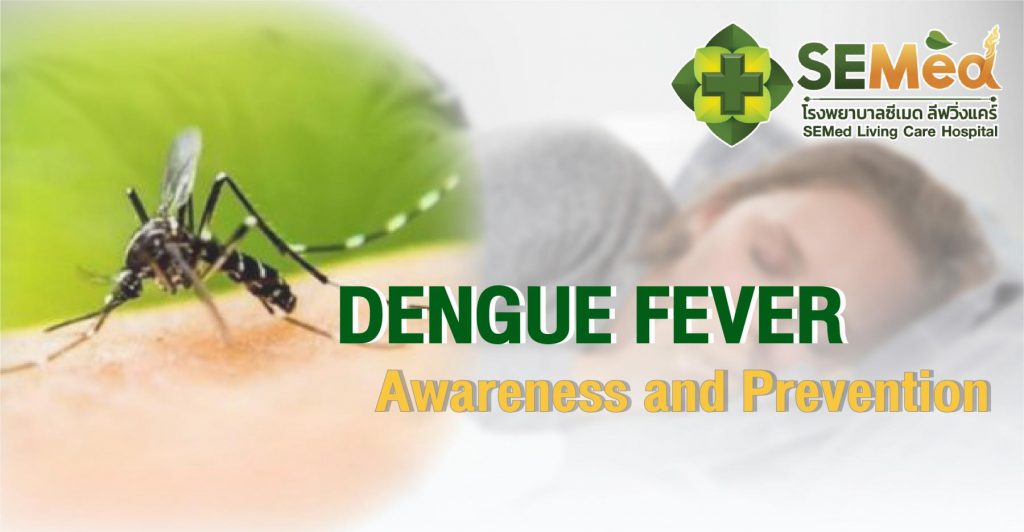
The Department of Disease Control, Ministry of Public Health, has forecasted based on epidemiological principles that in 2023, Thailand is expected to see an increased outbreak of Dengue Fever, following the cyclical pattern of the disease. From January 1 to June 8, 2023, there have been 19,503 reported cases of Dengue Fever, with an incidence rate of 29.47 per 100,000 population, and 17 deaths. The number of cases in 2023 is 3.8 times higher than the same period in 2022. The age group with the highest incidence rate is 5-14 years, followed by 15-24 years. The provinces with the highest incidence rates in the past month are Trat, Nan, Chanthaburi, Mae Hong Son, and Satun, respectively. Dengue Fever is a public health issue caused by infection with the dengue virus, which has four strains and is transmitted by the Aedes mosquito. The key symptoms of the disease include high fever, bleeding, and if not promptly treated, can lead to shock, which may result in death. It is therefore crucial to closely monitor the disease and provide appropriate treatment, especially for those who develop shock. Symptoms of Dengue Fever Dengue Fever symptoms can be divided into three stages: Initial Stage: In this stage, patients experience high fever for about 5-7 days, along with muscle pain, rash, or red spots on the body, arms, and legs. Some may lose appetite and experience nausea and vomiting. Critical Stage: This stage is the most dangerous. Patients may feel fatigued, have reduced urination, experience abdominal pain, especially under the right ribcage, and exhibit abnormal bleeding such as nosebleeds, vomiting blood, or passing black stools. During this stage, fever decreases, hands and feet become cold, blood pressure drops, and shock, potentially leading to death, can occur. Recovery Stage: In this stage, patients begin to improve. Blood pressure stabilizes, urination increases, appetite returns, abdominal pain and bloating decrease, and patients feel more energetic. The total duration of Dengue Fever typically lasts about 7-10 days. Treatment for Dengue Fever Currently, there is no specific antiviral treatment for Dengue Fever. Therefore, treatment focuses on managing symptoms. Fever can be reduced with paracetamol and tepid sponging, but other fever-reducing medications such as aspirin or ibuprofen should be avoided. Bringing patients to a doctor promptly for proper diagnosis is crucial, especially in the early stages, so that close monitoring can be provided during the critical stage to prevent shock. How to Prevent Dengue Fever Since there is no vaccine that can directly treat Dengue Fever, prevention measures include: Protect Yourself: Wear long-sleeved clothing, sleep in rooms with mosquito nets or screens, and use mosquito repellent on the skin. Eliminate Mosquito Breeding Sites: Always cover water storage containers, change the water in vases or flower pots every 7 days, and spray chemicals or insecticides to kill adult mosquitoes. Dengue Vaccine: Vaccination against Dengue Fever is recommended for those who have previously contracted the disease, to prevent recurrence, which will reduce severity and be more effective. Source By Asst.Prof.Dr.CHONNAMET TECHASAENSIRI Division of Infectious Disease,Department of Pediatrics, Faculty of Medicine Ramathibodi Hospital, Mahidol University Department of Disease Control Ministry of Public Health PPTV Health Station แชร์
Tuberculosis
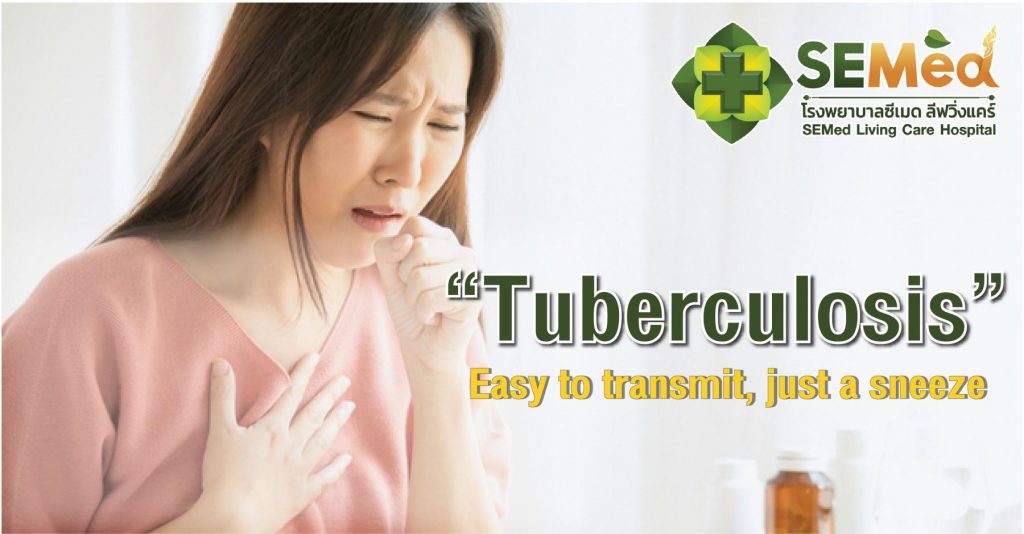
Tuberculosis (TB) is transmitted through the respiratory system—by talking, coughing, or sneezing without covering the mouth, causing the bacteria to become airborne. Individuals who inhale TB bacteria into their lungs may become infected and develop TB. However, not everyone who becomes infected will develop the disease, as the body has several mechanisms to fight and prevent TB. Only about 10% of those infected with TB bacteria will actually develop the disease. Key Symptoms: Persistent cough lasting more than two weeks Dry cough, cough with phlegm, or phlegm mixed with blood Chest pain and shortness of breath Low-grade fever, especially in the afternoon or evening Loss of appetite, weight loss, and fatigue Abnormal night sweats Important Risk Factors for Developing Pulmonary TB: Living with someone who has untreated TB, such as sharing the same household or workplace HIV infection Chronic illnesses such as diabetes, liver disease, or kidney disease Long-term use of immunosuppressive drugs, such as corticosteroids Living or working in environments where air conditioning is used constantly or in places with poor ventilation Smoking, alcohol consumption, and drug use Working in healthcare or caring for TB patients How to Determine if You Have Pulmonary TB: Sputum Examination with a Microscope: This method can definitively diagnose pulmonary TB, as TB bacteria can be seen in the sputum. Chest X-ray: A chest X-ray alone may not definitively diagnose pulmonary TB; sputum testing is also required. TB Culture: In cases where TB is suspected but the bacteria are not detected in the sputum, a TB culture may be necessary. Prevention: Regular health check-ups, including a chest X-ray, at least once a year Administering the BCG vaccine to newborns at hospitals or nearby healthcare facilities If TB is suspected, promptly seek medical evaluation Maintain good health by exercising regularly and eating nutritious food Avoid risky behaviors that could lead to HIV infection, which weakens the immune system and increases the risk of developing TB Avoid crowded places Young children and the elderly should avoid close contact with TB patients If there is a TB patient in the household, ensure they take their medication regularly and complete the full course of treatment as prescribed Source by : DEPARTMENT OF DESEASE CONTROL แชร์
