
Why Water is Important and How Much Should You Drink?

Water is a key part of our body. It helps with digestion, delivers nutrients, removes waste, and keeps our body temperature balanced. Drinking the right amount of water every day is important for staying healthy. But how much is enough? Here’s a simple guide to calculate how much water you need and some tips to stay hydrated. 1. How to Calculate Your Water Needs You can figure out how much water to drink based on your body weight with this formula: Body weight (kg) × 30 milliliters Example:If you weigh 60 kilograms: 60 × 30 = 1,800 milliliters (or 1.8 liters) per day If you exercise a lot or live in a hot climate, you should drink an extra 500–1,000 milliliters to replace the water you lose through sweat. 2. Things That Affect Your Water Intake • Exercise: When you exercise, you sweat and lose water. Make sure to drink enough water to stay hydrated. If you sweat a lot, you might also need electrolyte drinks. • Hot Weather: On hot or dry days, drink more water to avoid dehydration. • Health Conditions: If you have health issues like kidney or heart problems, talk to your doctor to find out how much water is right for you. • Pregnancy or Breastfeeding: Pregnant and breastfeeding women need extra water to meet their body’s needs 3. Easy Tips to Drink More Water • Set a Goal: Use a water bottle with measurement lines to track how much water you drink during the day. It makes staying hydrated easier and more fun! • Drink Before Meals: Drinking water before eating helps with digestion and keeps you on track with your daily water goal. • Carry a Water Bottle: Having water with you makes it easy to take a sip whenever you’re thirsty. • Add Some Flavor: If plain water is boring, add a slice of lemon or some fresh fruit to make it tastier and more fun to drink. 4. What Happens If You Don’t Drink Enough? Not drinking enough water can cause: Tiredness and low energy Dry skin and lips Digestion problems like constipation Poor physical and mental performance Drinking enough water every day is essential for your body to stay healthy and work properly. Use the simple formula to calculate your water needs, and adjust based on your activity level and the weather. Remember to carry a water bottle, set daily goals, and make drinking water a habit to improve your health. At SEMed Living Care Hospital, we care about your well-being. We offer full health checkup programs, including tests for your liver, kidneys, lungs, and heart. Our in-house lab ensures fast and accurate results to give you the best care possible. We are committed to providing academic and professional health information support to workplaces, covering a wide range of topics in general health and occupational medicine. Our team offers expert health consultations, delivering caring, prompt, and efficient services to ensure customer satisfaction and maximum benefit. Whenever it’s time for a health check-up, think of SEMed Living Care Hospital. We never stop improving because your long-term health is our priority. TEL.: 0-2199-2111 To 161 Marketing DepartmentOr 081-358-6493 (Mr.Aon), 086-368-5317 (Mr.ICE)Email: [email protected]: @semedFacebook: SEMed living care hospital
Improve Your Sleep with a Sleep Test
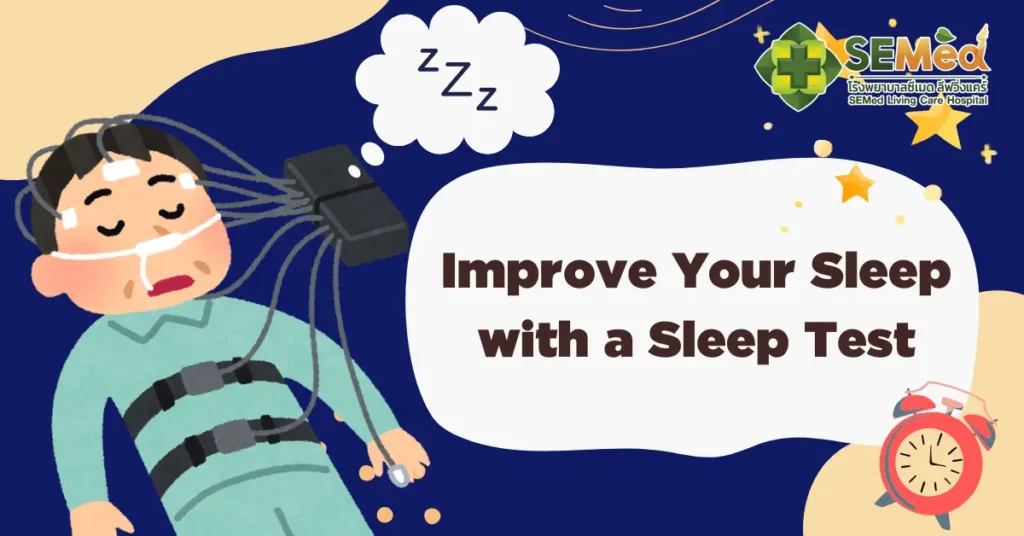
A Sleep Test is a health check that helps you understand your sleep patterns and find problems that may affect your health. These problems can include insomnia, sleep apnea, or other sleep disorders. This article will explain why Sleep Tests are important and how they work. Why Is a Sleep Test Important? 1. Find Sleep Problems A Sleep Test helps doctors identify issues like sleep apnea, which can lead to serious health problems like heart disease, high blood pressure, or diabetes if not treated. 2. Improve Your Life If you often feel tired during the day, fixing your sleep problems can help you sleep better, feel more energized, and improve your overall health. 3. Prevent Accidents Poor sleep can make you feel drowsy during the day, increasing the risk of accidents, especially when driving. How Does a Sleep Test Work? 1. Preparing for the Test Avoid alcohol and caffeine on the test day. Stick to your usual sleep routine. Wear comfortable clothes for sleeping. 2. In-Lab Sleep Test (Polysomnography) Sensors are attached to track your brain activity, breathing, and heart rate. Data is recorded overnight to analyze your sleep. 3. At-Home Sleep Test If you can’t go to a lab, you can use a portable device at home to collect sleep data, which is then reviewed by a doctor. 4. Getting Results The doctor will review the data to find any problems and suggest treatments, such as a CPAP machine for sleep apnea. Who Should Get a Sleep Test? People who snore loudly. Those who feel very sleepy during the day. People who wake up many times during the night. Those with high blood pressure or heart issues. A Sleep Test helps you understand and fix sleep problems, improving your overall health. Good sleep not only boosts your daily energy but also reduces the risk of long-term health problems. If you think you have sleep issues, talk to a doctor to get advice and the right treatment. We are committed to providing academic and professional health information support to workplaces, covering a wide range of topics in general health and occupational medicine. Our team offers expert health consultations, delivering caring, prompt, and efficient services to ensure customer satisfaction and maximum benefit. Whenever it’s time for a health check-up, think of SEMed Living Care Hospital. We never stop improving because your long-term health is our priority. TEL.: 0-2199-2111 To 161 Marketing DepartmentOr 081-358-6493 (Mr.Aon), 086-368-5317 (Mr.ICE)Email: [email protected]: @semedFacebook: SEMed living care hospital
Cigarettes and Lung Disease, A Hidden Danger of Carelessness
The Hidden Danger of CigarettesMany people underestimate the dangers of smoking, but it has a severe impact on health — especially on the lungs, which are essential for breathing. Smoking is like planting a time bomb inside your body. Cigarette smoke contains thousands of toxic and cancer-causing substances. Once they enter the body, they can damage the lungs and other organs, leading to serious diseases. How Does Smoking Harm the Lungs? • Destroys Lung Cells Toxic substances from cigarette smoke damage lung cells, leading to chronic inflammation. This reduces the lungs’ ability to breathe and filter clean air into the body while expelling dirty air. • Blocks Airways (Bronchi) The toxins stick to the walls of the airways (bronchi), making them narrower. This makes it harder to breathe. In severe cases, a ventilator may be required to assist with breathing. • Increases Lung Cancer Risk Cancer-causing substances in cigarette smoke are the main cause of lung cancer. Most people who develop lung cancer are smokers. Air pollution is another factor that can increase the risk. • Causes Emphysema Smoking damages the tiny air sacs (alveoli) in the lungs. This makes it harder for the body to exchange oxygen and carbon dioxide properly. • Causes Chronic Obstructive Pulmonary Disease (COPD) Smoking can lead to COPD, a disease that makes it hard to breathe all the time. Other Diseases Linked to Smoking Heart and Blood Vessel DiseaseSmoking makes blood vessels stiff and narrow, which increases the risk of heart attack and stroke. Other CancersSmoking can cause cancers in other parts of the body, like the mouth, throat, stomach, and pancreas. StrokeSmoking increases the thickness of the blood, making it easier for clots to form. If a clot blocks blood flow in the brain, it can cause a stroke or paralysis. DiabetesSmoking disrupts insulin function, raising the risk of diabetes. Pregnancy ComplicationsPregnant women who smoke have a higher chance of miscarriage, preterm birth, or having babies who are underweight or have health problems. 5 Simple Ways to Quit Smoking and Improve Your Health Quitting smoking is one of the best things you can do for your health and for the people you love. Once you stop, your body begins to heal and your risk of developing many diseases decreases quickly. Here’s How You Can Quit Smoking Set a Clear GoalDecide that you want to quit and have a strong reason to keep you motivated. Ask for HelpTalk to a doctor or specialist who can give you advice and support. Use Nicotine Replacement ProductsProducts like nicotine gum or patches can reduce cravings and help you quit. Avoid TriggersStay away from places where people smoke, as it can make you want to smoke too. Find a New Hobby or DistractionKeep yourself busy with activities to avoid thinking about smoking. Many people fail to quit because they are more attached to the habit than the nicotine itself. Take Back Control of Your LifeDon’t let cigarettes control your life. Quitting smoking today is the first step to a healthier, happier, and stronger life. It’s also a good idea to get your lungs checked regularly because not only cigarette smoke but also pollution and dusty air can damage the lungs. SEMed Living Care Hospital understands the importance of lung health. That’s why they offer a special lung health check-up program. You can visit them to check the condition of your lungs and take better care of your health.
5 Simple Ways to Manage Stress for a More Balanced Life

Stress is a serious problem that affects both our mental and physical health. Many people don’t realize they’re stressed, or they don’t know exactly what’s causing it. This makes it hard to address stress. Today, many people have accumulated stress, which leads to an imbalanced mind and can cause issues like depression, anxiety, and other mental health problems. Let’s look at how we can manage stress and create a better balance in life. 3 Factors That Contribute to Stress 1. Personal Factors Stress can be caused by both physical and emotional factors. Physically, it might come from ongoing health problems like diabetes or chronic illnesses. Emotionally, stress arises from how we manage our feelings, especially when things don’t go as planned. If we can’t let go of problems, they can lead to stress. 2. Environmental Factors Our surroundings can greatly affect our stress levels. For example, living in a crowded, unsafe environment can cause constant fear and anxiety, leading to stress. On the other hand, people who live in peaceful areas with nature to enjoy and take care of themselves tend to have less stress. While not everyone is affected the same way, this is one of the factors that can influence stress. 3. Social Factors and Unpredictable Events Social interactions are important for managing stress. Even if someone doesn’t enjoy socializing much, they are still part of society in some way. For people who are more sensitive, social pressures can lead to stress. Social media also makes it easy to compare ourselves to others, which can cause discomfort and increase stress. Additionally, unexpected events like diseases or natural disasters can create anxiety about the future. Tips for Managing Stress 1. Prioritize What Matters: “Focus on what you can control and let go of what you can’t.” This may sound simple, but it can be very difficult. Stress negatively impacts us, so learning how to manage it is key. Training our minds to focus on what we can control is important. 2. Practice Mindfulness and Relaxation, Such as Meditation, Breathing, or Exercise “Mindfulness brings wisdom.” This means that practicing mindfulness helps us control not only our bodies but also our stress and emotions. Exercise is also a great way to relieve stress because it releases endorphins that make us feel happy. When we exercise, we focus solely on the activity, which can help us forget about our stress for a while. 3. Seek Help When Stress Becomes Too Much Many people turn to close friends, family, or partners for support when they’re stressed. However, if stress becomes overwhelming, it’s a good idea to see a doctor or therapist. While some people might feel uncomfortable about visiting a therapist, remember that they are trained professionals who can offer helpful advice and new perspectives. 4. Create Balance in Your Life: Make Time for Rest and Enjoyable Activities Everyone should have activities they enjoy, even if they are small. Finding things that make us happy can help relieve stress. It may take some planning, but setting aside time for relaxing activities is essential for reducing stress. Good mental health is essential for overall well-being. If you’re feeling stressed or having negative thoughts, take time to reflect on your mental state. The sooner you address stress, the better it will be for your health. When your mind is clear and positive, your physical health will improve as well.
“Liver Cancer” What You Need to Know and How to Protect Yourself

Liver cancer is one of the most common types of cancer and a leading cause of death worldwide, especially in Asia and Thailand. The liver plays a crucial role in detoxifying the body, producing proteins, and regulating metabolism. Understanding liver cancer can help raise awareness and encourage better liver care. What is Liver Cancer? Liver cancer occurs when liver cells grow abnormally. It is divided into two main types 1. Primary Liver Cancer Originates in the liver cells themselves. The most common type is Hepatocellular Carcinoma (HCC). 2. Secondary Liver Cancer Starts in other organs, like the colon, breast, or lungs, and spreads to the liver. Causes and Risk Factors Hepatitis Virus Infections Hepatitis B (HBV) and Hepatitis C (HCV) are major risk factors. Chronic infections can lead to liver inflammation and cirrhosis. Excessive Alcohol Consumption Long-term alcohol use is a key cause of cirrhosis, which increases the risk of liver cancer. Fatty Liver and Obesity Non-Alcoholic Fatty Liver Disease (NAFLD) is linked to an increased risk of liver cancer. Exposure to Toxins Such as aflatoxin, a substance found in poorly stored grains or nuts. Diabetes and High Blood Pressure Both conditions are associated with metabolic syndrome, which affects liver health. Symptoms of Liver Cancer 1. Early Symptoms Fatigue Unexplained weight loss Loss of appetite Abdominal bloating or discomfort in the upper right side 2. Advanced Symptoms: Pain in the upper right abdomen Yellowing of the skin and eyes (jaundice) Swelling in the abdomen due to fluid build-up (ascites) Detectable lump in the liver area If you notice these symptoms, see a doctor promptly for further examination. Diagnosis Blood Tests: Measures Alpha-Fetoprotein (AFP), often elevated in liver cancer patients. Ultrasound: To detect abnormalities or tumors in the liver. Advanced Imaging: CT scans or MRIs provide detailed images of the liver. Biopsy: A tissue sample is taken from the liver to confirm the diagnosis. Treatment for Liver Cancer Treatment depends on the cancer stage, overall health, and liver function. Common treatments include: Surgery: Suitable for early-stage patients with no spread of the cancer. Liver Transplant: Recommended for patients with cirrhosis who cannot undergo surgery. Localized Treatments: Techniques like Radiofrequency Ablation (RFA) or Transarterial Chemoembolization (TACE) target cancer cells directly. Medication: Includes targeted therapy and immunotherapy to slow or stop cancer growth. Palliative Care: Focuses on symptom relief and improving quality of life for advanced-stage patients. Preventing Liver Cancer Prevent Hepatitis Infections: Get vaccinated for Hepatitis B. Avoid sharing needles and practice safe sex. Limit Alcohol Consumption: If you drink, do so in moderation. Maintain a Healthy Lifestyle: Eat a balanced diet and exercise regularly to avoid obesity. Avoid Toxins in Food: Store grains and nuts properly to prevent mold contamination. Regular Health Check-ups: Especially for those with risk factors like hepatitis or fatty liver disease. Liver cancer is a serious disease, but early detection and treatment can improve outcomes. By understanding the risk factors, symptoms, and prevention strategies, you can take proactive steps to protect your liver and overall health. Start taking care of your body today to reduce the risks and enjoy a healthier future. สอบถามรายละเอียดเพิ่มเติม โทร.: 0-2199-2111 ต่อ 161 แผนกการตลาด หรือ 081-358-6493 (คุณอ้น), 086-368-5317 (คุณไอซ์) อีเมล: [email protected] LINE: @semed Facebook: SEMed living care hospital
10 Best Foods for a Healthy Brain

10 Best Foods for a Healthy Brain Your brain helps you think, remember, and control your body. Eating the right foods can make your brain stronger, improve memory, increase focus, and reduce the risk of brain-related problems in the future. 1. Salmon and Other Fatty Fish Fish like salmon and mackerel are rich in omega-3 fatty acids, which build brain cells, reduce inflammation, and keep your nervous system working well. 2. Blueberries and Other Berries Berries, especially blueberries, are packed with antioxidants that protect the brain from aging and degeneration. Flavonoids in blueberries enhance communication between brain cells, improving memory and learning. Plus, they keep your skin youthful—a great bonus for beauty enthusiasts! 3. Nuts and Seeds Almonds, walnuts, and seeds like pumpkin and chia seeds are packed with vitamin E and healthy fats. These help protect your brain from aging and reduce the risk of Alzheimer’s disease. 4. Leafy Greens Vegetables like kale, spinach, and broccoli are high in vitamin K, lutein, and folate, which support brain function. Vitamin K is especially important for building brain cells and preventing cognitive decline. Additionally, these greens help improve blood clotting, aiding wound healing. 5. Dark Chocolate Dark chocolate with high cocoa content contains compounds that improve blood flow to the brain, boost focus, and enhance short-term brain function. 6. Eggs Eggs are a great source of choline, which is crucial for producing acetylcholine, a neurotransmitter involved in memory and learning. They are versatile and easy to prepare, making them a favorite among children and adults alike. 7. Green Tea Green tea contains L-theanine, which reduces stress and enhances focus, along with caffeine that stimulates brain activity. It’s a refreshing drink that also comes in various forms, such as desserts, drinks, and dairy products. 8. Whole Grains Foods like oats, whole wheat bread, and quinoa provide steady energy to the brain and help it function well throughout the day. 9. Avocado Avocados have healthy fats that improve blood flow to the brain and reduce the risk of cognitive decline. 10. Turmeric Turmeric contains curcumin, which reduces brain inflammation and protects it from damage. It also helps improve mood and reduce stress. Tips for a Brain-Healthy Diet Eat a variety of foods in balanced portions. Limit processed foods and sugary snacks. Stay hydrated to maintain body and brain balance. Taking care of your brain starts with choosing the right foods. A brain-healthy diet not only boosts memory and focus but also prevents future cognitive diseases. Start nurturing your brain today for a healthier tomorrow! Whenever it’s time for a health check-up, think of SEMed Living Care Hospital. We never stop improving because your long-term health is our priority. TEL.: 0-2199-2111 To 161 Marketing DepartmentOr 081-358-6493 (Mr.Aon), 086-368-5317 (Mr.ICE)Email: [email protected]: @semedFacebook: SEMed living care hospital
Pre- Cosmetic Surgery Health Check: Importance and Key Steps
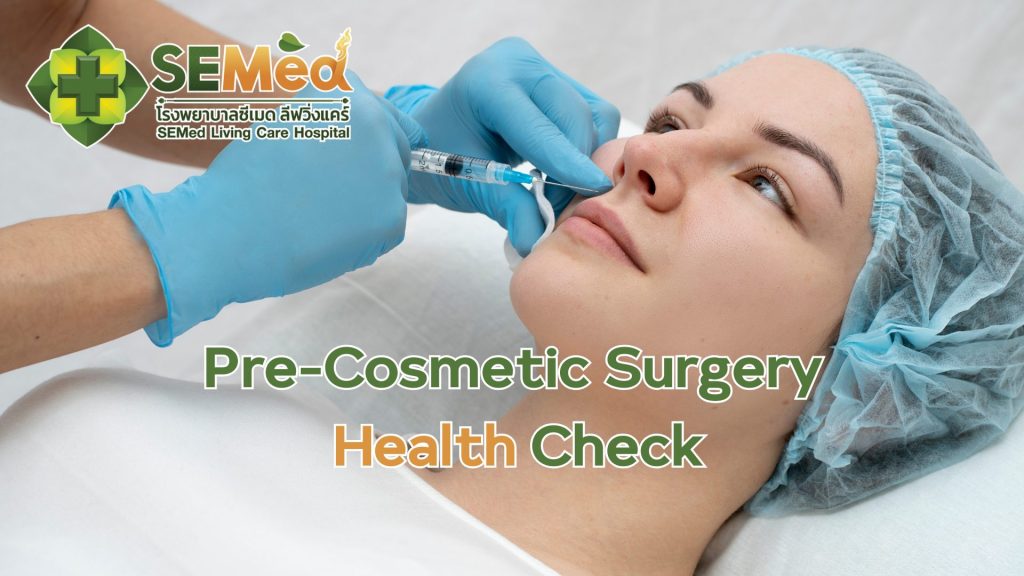
In today’s world, Cosmetic Surgery has become increasingly popular, whether for aesthetic enhancement or medical treatment. However, before undergoing any surgical procedure, it is crucial not to overlook the pre- Cosmetic Surgery health check. This step ensures safety and minimizes risks during or after the surgery. The Importance of Pre- Cosmetic Surgery Health Checks Assessing Physical ReadinessA health check allows doctors to determine whether the patient’s body is in a suitable condition for surgery. This includes evaluating the function of the heart, lungs, and circulatory system, as well as preparing for surgery through adequate rest, proper nutrition, and hydration. Reducing Risks During SurgeryIf any health risks, such as chronic diseases or other medical issues, are identified, doctors can create a plan to manage and mitigate these risks in advance. Selecting Appropriate Surgical Techniques and AnesthesiaComprehensive health information enables the doctor to choose the most suitable anesthesia method and surgical techniques tailored to the individual patient. Planning the Treatment EffectivelyHealth data helps the medical team devise a safe and effective treatment plan, ensuring a higher degree of safety for the surgery. Steps in a Pre- Cosmetic Surgery Health Check Medical History ReviewThe doctor will inquire about the patient’s medical history, including chronic illnesses, medication allergies, current medications, and previous surgeries. Basic Physical ExaminationThis includes checking blood pressure, pulse, weight, height, and conducting a general physical assessment to evaluate the patient’s health status. Blood and Urine TestsThese tests detect abnormalities such as anemia, infections, or dysfunction in the liver or kidneys. Electrocardiogram (ECG)For older patients or those with a history of heart disease, an ECG helps assess cardiac function and determine whether the patient is fit for surgery. Personalized EvaluationAdditional assessments, such as chest X-rays or genetic analysis, may be conducted depending on the type of surgery and individual risk factors. These evaluations are tailored to each patient’s specific needs. Pre- Cosmetic Surgery Preparation Guidelines Fasting: Refrain from eating or drinking for at least 8 hours before blood tests. Medication Disclosure: Inform the doctor about any current medications and follow instructions about discontinuing certain drugs. Medical Records: Prepare your medical history and related documents for the doctor’s review. A pre- Cosmetic Surgery health check not only enhances safety but also ensures a smooth surgical process while minimizing long-term risks. Those planning surgery should prioritize this essential step and choose a reputable medical facility. Consulting a qualified specialist for personalized advice is also crucial. SEMed Living Care Hospital offers a comprehensive and reliable pre-surgery health check program. With a team of experienced doctors and an in-house laboratory known for its accuracy, patients can rest assured of the highest standard of care.
Diabetes: A Manageable Threat
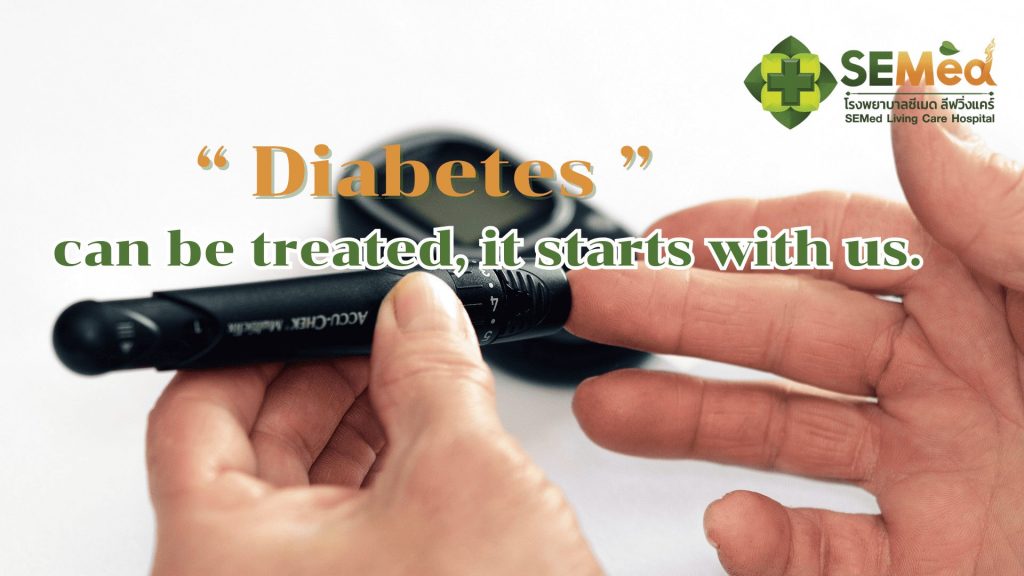
Diabetes is a chronic disease affecting millions of people worldwide, including a growing number in Thailand. Despite being seen as dangerous and complex, diabetes can be managed and controlled with proper understanding and care, allowing patients to maintain a good quality of life. What is Diabetes? Diabetes is a condition where blood sugar levels are higher than normal due to insufficient insulin production or the body’s inability to use insulin effectively. It is categorized into three main types: Type 1 Diabetes: Caused by an autoimmune reaction that attacks insulin-producing cells in the pancreas. Type 2 Diabetes: Common in adults and linked to lifestyle factors such as poor diet and lack of exercise. Gestational Diabetes: Occurs during pregnancy and typically resolves after childbirth but increases the risk of future diabetes. Early Symptoms to Watch For Frequent urination, especially at night Excessive thirst and hunger Unexplained weight loss Fatigue and weakness Slow-healing wounds or frequent infections If you experience these symptoms, consult a doctor for diagnosis and timely treatment. How is Diabetes Treated? Although diabetes cannot be completely cured in most cases, managing blood sugar levels close to normal can reduce the risk of complications. Treatment options include: 1. Lifestyle Modifications Adopt a balanced diet, avoiding excessive sugar and trans fats. Engage in regular physical activity, such as brisk walking or swimming. 2. Medication Oral medications for Type 2 diabetes Insulin injections for Type 1 diabetes or when necessary 3. Close Health Monitoring Regularly check blood sugar levels. Visit your doctor to adjust treatment plans as needed. How to Prevent Diabetes Preventing diabetes, particularly Type 2, is achievable through simple healthy habits: Avoid sugary and fatty foods. Maintain a healthy weight. Incorporate more physical activity into your daily routine. Get annual health check-ups to identify risks early. Diabetes might seem daunting, but with discipline and adherence to medical advice, patients can lead long and fulfilling lives. Prevention and education are vital for everyone to create a healthier society and reduce the risks of this serious condition in the long run. สอบถามรายละเอียดเพิ่มเติม โทร.: 0-2199-2111 ต่อ 161 แผนกการตลาด หรือ 081-358-6493 (คุณอ้น), 086-368-5317 (คุณไอซ์) อีเมล: [email protected] LINE: @semed Facebook: SEMed living care hospital
