
Hypoglycemia (Low Blood Sugar)
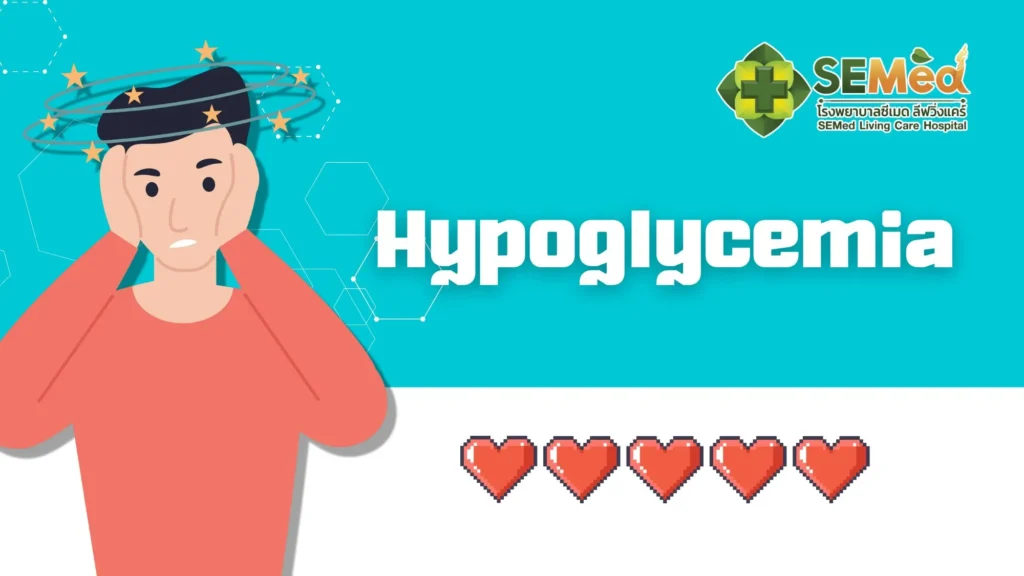
Hypoglycemia, or low blood sugar, is a condition in which the level of glucose in the blood falls below normal. This can cause various symptoms, ranging from fatigue and dizziness to loss of consciousness. If not properly managed, hypoglycemia can lead to severe complications. It is most commonly seen in diabetic patients who take blood sugar-lowering medications, but it can also occur in non-diabetic individuals under certain circumstances. Causes of Hypoglycemia Hypoglycemia can be caused by various factors, which are generally divided into two main categories: Causes Related to Diabetes Treatment Use of blood sugar-lowering medications such as insulin or sulfonylureas Insufficient food intake or skipping meals Excessive physical activity without adjusting food or medication intake Excessive alcohol consumption, which impairs the liver’s ability to release glucose into the bloodstream Causes in Non-Diabetic Individuals Hormonal imbalances, such as adrenal insufficiency Liver dysfunction, such as hepatitis or cirrhosis Prolonged fasting Insulin-producing tumors in the pancreas (Insulinoma) Symptoms of Hypoglycemia The symptoms of hypoglycemia can be classified into two levels: early-stage symptoms and severe symptoms. Early-Stage Symptoms Excessive hunger Sweating Dizziness Palpitations or rapid heartbeat Trembling hands Restlessness Severe Symptoms Confusion Slurred speech Blurred vision Seizures Loss of consciousness In extreme cases, it can lead to a coma Diagnosis of Hypoglycemia Hypoglycemia can be diagnosed through the following methods: Blood Sugar Testing Blood sugar levels should be tested during the onset of symptoms. Typically, a blood sugar level below 70 mg/dL indicates hypoglycemia. Symptom Observation Patients exhibiting signs of hypoglycemia, such as dizziness, sweating, or palpitations, should be closely monitored. Additional Diagnostic Tests In some cases, further diagnostic tests may be required, such as hormone tests, liver function tests, and tests for pancreatic tumors. First Aid and Basic Care for Hypoglycemia When encountering someone experiencing hypoglycemia, take the following steps: Administer Glucose If the patient is conscious, provide glucose or sugary foods, such as fruit juice, candies, or sugary drinks. If no sugary food is available, offer carbohydrate-rich foods such as bread or rice. Glucagon Injection In cases where the patient is unconscious or unable to eat, administer a glucagon injection to stimulate the release of glucose into the bloodstream. After administering glucagon, immediately transport the patient to the hospital. Preventing Hypoglycemia Diabetic patients can prevent hypoglycemia by following these guidelines: Eat meals on time Regularly monitor blood sugar levels Adjust medication doses as advised by a doctor Avoid excessive alcohol consumption 5. Always carry sugary snacks Hypoglycemia is a condition that requires close attention, especially in diabetic patients. If not properly treated, it can lead to severe and potentially life-threatening complications. Therefore, recognizing the symptoms and following appropriate preventive measures are essential for managing and preventing this condition effectively. We are committed to providing academic and professional health information support to workplaces, covering a wide range of topics in general health and occupational medicine. Our team offers expert health consultations, delivering caring, prompt, and efficient services to ensure customer satisfaction and maximum benefit. Whenever it’s time for a health check-up, think of SEMed Living Care Hospital. We never stop improving because your long-term health is our priority. TEL.: 0-2199-2111 To 161 Marketing DepartmentOr 081-358-6493 (Mr.Aon), 086-368-5317 (Mr.ICE)Email: [email protected]: @semedFacebook: SEMed living care hospital
Myocardial Infarction: Causes, Symptoms, and Prevention

Myocardial infarction (commonly known as a heart attack) is a serious condition affecting the heart and blood vessels. It often occurs suddenly and can be life-threatening if not treated promptly. Causes of Myocardial Infarction Myocardial infarction occurs when there is a blockage in the coronary arteries, which supply oxygen and nutrients to the heart muscle. This blockage is usually caused by fatty deposits (plaques) that build up on the artery walls. When a plaque ruptures, it can form a blood clot that obstructs blood flow, leading to oxygen deprivation and damage to the heart muscle. Risk factors for this condition Lifestyle habits: Smoking, consuming high-fat and sugary foods, and lack of exercise. Chronic conditions: Diabetes, high blood pressure, and high cholesterol levels. Other factors: Family history, older age, and stress. Symptoms of Myocardial Infarction Common symptoms of myocardial infarction include: Chest pain or tightness (angina) that may radiate to the left arm, neck, or jaw. Difficulty breathing or shortness of breath. Excessive sweating. Nausea or vomiting. Dizziness or loss of consciousness in severe cases. If these symptoms occur, seek immediate medical attention, as early treatment can minimize heart muscle damage. Prevention of Myocardial Infarction Although this condition is serious, it can often be prevented by making healthy lifestyle changes: Healthy diet: Avoid foods high in saturated fats and include more fruits, vegetables, and fish. Regular exercise: Engage in at least 30 minutes of physical activity, five days a week. Avoid smoking and limit alcohol intake: These are major risk factors for heart disease. Manage chronic conditions: Monitor and treat diabetes, high blood pressure, or high cholesterol as recommended by a doctor. Reduce stress: Practice relaxation techniques such as meditation or deep breathing exercises. Treatment of Myocardial Infarction When myocardial infarction occurs, restoring blood flow to the heart is crucial. Common treatments include: Medications such as blood thinners, vasodilators, or drugs to control blood pressure. Angioplasty with stent placement to open blocked arteries. Coronary artery bypass surgery to improve blood flow to the heart. Myocardial infarction is a condition that requires serious attention, but it can be prevented through healthy habits and risk management. Recognizing symptoms and seeking prompt medical care can reduce severity and improve survival chances. If you or someone close to you is at risk or shows symptoms, consult a doctor for appropriate care and guidance. We are committed to providing academic and professional health information support to workplaces, covering a wide range of topics in general health and occupational medicine. Our team offers expert health consultations, delivering caring, prompt, and efficient services to ensure customer satisfaction and maximum benefit. Whenever it’s time for a health check-up, think of SEMed Living Care Hospital. We never stop improving because your long-term health is our priority. TEL.: 0-2199-2111 To 161 Marketing DepartmentOr 081-358-6493 (Mr.Aon), 086-368-5317 (Mr.ICE)Email: [email protected]: @semedFacebook: SEMed living care hospital
Preventing Stroke: Maintaining Health for a Stronger Future

Stroke is a condition caused by interrupted blood flow to the brain or bleeding in the brain, leading to brain dysfunction. This can affect movement, speech, or daily activities. Stroke is a major cause of disability and death worldwide, but it can be prevented through proper health management and risk reduction. Risk Factors for Stroke High Blood Pressure: The most significant risk factor for stroke. Managing blood pressure is essential to lower the risk. Diabetes: High blood sugar damages blood vessels and increases the likelihood of stroke. Heart Disease: Conditions like atrial fibrillation and other heart diseases may lead to blood clots that block brain arteries. Smoking and Alcohol Consumption: These behaviors significantly elevate the risk of stroke. Lack of Physical Activity: Inactivity contributes to obesity and high blood pressure. Stress and Unbalanced Lifestyle: Chronic stress directly affects the cardiovascular system. Ways to Prevent Stroke Control Blood PressureRegularly monitor your blood pressure and follow medical advice, such as reducing salt intake, avoiding high-fat foods, and exercising regularly. Eat a Healthy DietFocus on fiber-rich foods such as vegetables, fruits, and whole grains. Avoid foods high in saturated fats and sugars. Exercise RegularlyActivities like walking, running, swimming, or yoga improve blood circulation and reduce stroke risk factors. Quit Smoking and Limit AlcoholQuitting smoking and moderating alcohol consumption help reduce the risk of heart and brain-related conditions. Maintain a Healthy WeightKeeping a proper weight reduces strain on the heart and blood vessels. Manage StressPractice meditation, yoga, or engage in activities that alleviate stress. Regular Health Check-UpsRoutine check-ups help identify risk factors early and enable timely prevention. Warning Signs of Stroke Be alert to early symptoms that may indicate a stroke, such as: Facial Drooping: Numbness on one side of the face or a drooping smile. Arm or Leg Weakness: Difficulty lifting arms or legs as usual. Speech Difficulty: Slurred or incoherent speech. Other Symptoms: Severe dizziness, double vision, or sudden loss of consciousness. If you notice these symptoms, seek medical attention immediately for prompt treatment. Preventing stroke is achievable through simple lifestyle changes and consistent health management. Staying healthy not only reduces the risk of stroke but also enhances the quality of life in the long term. We are committed to providing academic and professional health information support to workplaces, covering a wide range of topics in general health and occupational medicine. Our team offers expert health consultations, delivering caring, prompt, and efficient services to ensure customer satisfaction and maximum benefit. Whenever it’s time for a health check-up, think of SEMed Living Care Hospital. We never stop improving because your long-term health is our priority. TEL.: 0-2199-2111 To 161 Marketing DepartmentOr 081-358-6493 (Mr.Aon), 086-368-5317 (Mr.ICE)Email: [email protected]: @semedFacebook: SEMed living care hospital
How to Recover for Heart Disease Patients
Heart disease is a significant health issue that requires continuous and systematic care. Heart recovery not only helps reduce the risk of complications but also improves the quality of life. This article presents effective ways for heart disease patients to recover and regain their health. 1. Adopt a Healthy Lifestyle Eat a nutritious diet: Avoid foods high in saturated fats and sodium, such as fried foods, processed meals, and fast food. Instead, incorporate more vegetables, fruits, whole grains, and fish into your meals. Exercise regularly: Engage in suitable activities like brisk walking, swimming, or cycling. These exercises help strengthen the heart. Aim for at least 30 minutes a day, five days a week. Always consult your doctor before starting any new exercise routine. Quit smoking and avoid alcohol: Smoking and drinking alcohol are major risk factors that negatively impact heart health. 2. Follow Medical Advice and Monitor Symptoms Adhere to prescribed medications: Take medications as directed by your doctor, such as those for lowering blood pressure, reducing cholesterol, or preventing blood clots. Regular health check-ups: Attend scheduled appointments to evaluate your condition and adjust treatment plans as needed. 3. Participate in Cardiac Rehabilitation Enroll in a cardiac rehab program: These programs typically include tailored exercise routines, nutritional counseling, stress management, and education on preventing future heart problems. Manage stress and emotions: Addressing stress and depression is crucial as they directly affect heart health. Practices like meditation, yoga, or consulting a psychologist can help. 4. Seek Support from Family and Community Family support: Encouragement from family and close friends plays a key role in boosting a patient’s morale during recovery. Join support groups: Sharing experiences with other heart disease patients can provide emotional comfort and reduce feelings of isolation. 5. Educate Yourself About Heart Disease Learn about the condition: Understanding the causes, symptoms, and prevention of heart disease helps patients feel more confident in managing their health. Stay updated on medical advancements: New treatments and medical developments can improve the chances of successful recovery and heart health restoration. Recovering from heart disease requires collaboration between patients, families, and medical teams. Lifestyle changes, proper medication, and emotional support are critical factors that enhance the chances of returning to a healthy and fulfilling life in the long term. We are committed to providing academic and professional health information support to workplaces, covering a wide range of topics in general health and occupational medicine. Our team offers expert health consultations, delivering caring, prompt, and efficient services to ensure customer satisfaction and maximum benefit. Whenever it’s time for a health check-up, think of SEMed Living Care Hospital. We never stop improving because your long-term health is our priority. TEL.: 0-2199-2111 To 161 Marketing DepartmentOr 081-358-6493 (Mr.Aon), 086-368-5317 (Mr.ICE)Email: [email protected]: @semedFacebook: SEMed living care hospital
High Blood Pressure: The Silent Threat You Shouldn’t Ignore
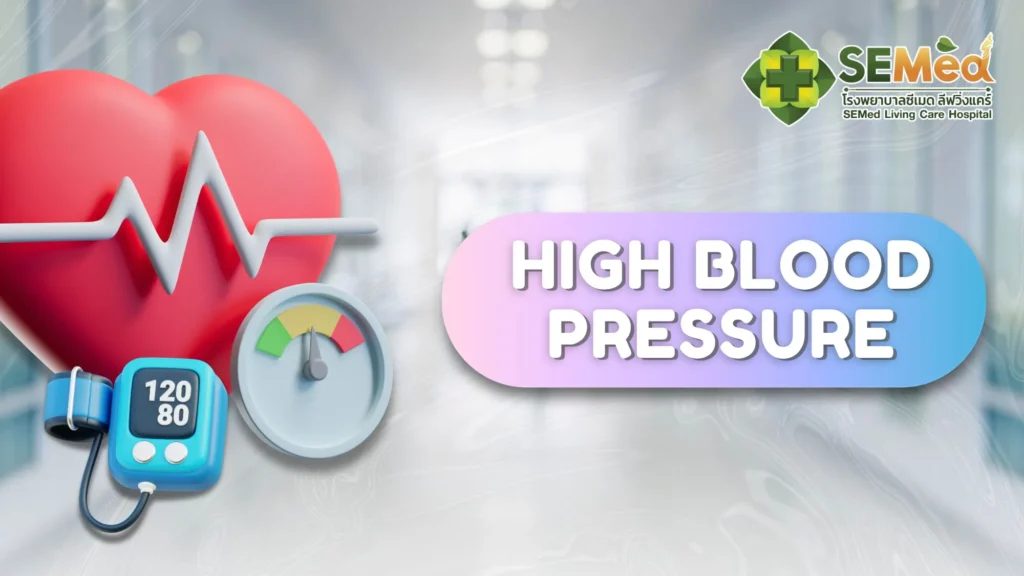
เรื่องควรรู้! เกี่ยวกับโรคความดันโลหิตสูง High blood pressure (Hypertension) is a common condition affecting people of all ages, especially as they grow older. Often referred to as a “silent killer,” this condition may show no symptoms but can lead to serious complications like heart disease, stroke, and chronic kidney disease if left untreated. What is Blood Pressure? Blood pressure is the force of blood pushing against the walls of the arteries. It is measured using two key numbers: Systolic Pressure: The pressure when the heart beats and pumps blood. Diastolic Pressure: The pressure when the heart is at rest between beats. Normal blood pressure is around 120/80 mmHg. If it is 140/90 mmHg or higher, it is classified as hypertension. Causes of High Blood Pressure Non-modifiable Factors: Age: Risk increases with age. Genetics: Family history of hypertension raises the risk. Ethnicity: Certain groups, like African Americans, have a higher risk. Modifiable Factors: High salt intake Lack of physical activity Excessive alcohol consumption Stress Being overweight or obese Symptoms of High Blood Pressure High blood pressure often shows no symptoms in its early stages. Most people discover it during routine check-ups or when complications arise, such as severe headaches, dizziness, chest pain, or blurred vision. Diagnosis and Treatment Diagnosis: Regular blood pressure monitoring is essential. Treatment: Lifestyle changes such as reducing salt intake, exercising, losing weight, and taking prescribed medication can help manage hypertension. Prevention Reduce salt and sodium-rich foods in your diet. Exercise regularly, such as walking, jogging, or cycling. Maintain a healthy weight. Avoid smoking and limit excessive alcohol consumption. Manage stress and get enough rest. High blood pressure is a manageable and preventable health issue. Taking care of yourself and following medical advice can lower the risk of complications. Regular health check-ups and monitoring are key to maintaining a good quality of life We are committed to providing academic and professional health information support to workplaces, covering a wide range of topics in general health and occupational medicine. Our team offers expert health consultations, delivering caring, prompt, and efficient services to ensure customer satisfaction and maximum benefit. Whenever it’s time for a health check-up, think of SEMed Living Care Hospital. We never stop improving because your long-term health is our priority. TEL.: 0-2199-2111 To 161 Marketing DepartmentOr 081-358-6493 (Mr.Aon), 086-368-5317 (Mr.ICE)Email: [email protected]: @semedFacebook: SEMed living care hospital
How to Solve Insomnia: A Comprehensive Guide

Insomnia is a condition that affects various aspects of life, including physical health, mental well-being, and daily productivity. While it may seem like a common issue, untreated insomnia can lead to serious consequences. Solving this problem requires understanding its causes, adjusting daily habits, and seeking medical help when necessary. Causes of Insomnia Psychological Factors Stress and anxiety Depression Physical Factors Chronic illnesses such as heart disease, diabetes, or sleep apnea Chronic pain Behavioral and Environmental Factors Consuming caffeine or alcohol before bedtime Using smartphones or watching screens late at night An unsuitable sleep environment, such as excessive noise or light Ways to Solve Insomnia Adjust Sleep Habits Stick to a consistent sleep schedule: Wake up at the same time every day, even on weekends, to regulate your body clock. Create a conducive sleep environment: Use blackout curtains, reduce noise, and set a comfortable room temperature. Limit daytime naps: If needed, nap for no more than 20-30 minutes in the afternoon. Adopt Healthy Lifestyle Changes Exercise regularly: Morning or afternoon workouts improve sleep quality, but avoid exercising in the evening. Avoid caffeine and alcohol: Especially within 4-6 hours before bedtime. Reduce screen time: Avoid using smartphones, tablets, or computers 1-2 hours before bed. Relax Your Mind Practice relaxation techniques: Deep breathing, meditation, or yoga can help calm your mind. Write down your thoughts: Journaling can help clear worries from your mind before bedtime. Read calming books: Avoid stimulating or thrilling material before sleep. Try Natural Remedies Drink warm, caffeine-free tea: Chamomile or peppermint tea can promote relaxation. Use aromatherapy: Essential oils like lavender or eucalyptus can create a soothing atmosphere. Consult a Doctor or Specialist If lifestyle adjustments don’t work, seek medical advice to identify underlying causes. Consider using sleeping pills only under a doctor’s guidance and when absolutely necessary. Explore Cognitive Behavioral Therapy for Insomnia (CBT-I), a proven method for treating insomnia effectively. Why Managing Insomnia is Important Sleep plays a critical role in restoring the body and mind. Insufficient or poor-quality sleep weakens the immune system, causes mood swings, and increases the risk of chronic diseases like cardiovascular issues and obesity. Addressing insomnia seriously is essential for improving long-term quality of life. Managing insomnia is not a one-size-fits-all approach. Start by identifying personal causes and making basic lifestyle changes. If the problem persists, consult a healthcare professional for appropriate treatment. เราพร้อมให้การสนับสนุนข้อมูลทางวิชาการแก่สถานประกอบการ ให้หัวข้อต่างๆ ทั้งในด้านสุขภาพและด้านอาชีวเวชศาสตร์ ให้คำปรึกษาด้านสุขภาพ มอบบริการที่ใส่ใจ รวดเร็ว และมีประสิทธิภาพ เพื่อให้ลูกค้าทุกท่านพึงพอใจและได้ประโยชน์สูงสุด ตรวจสุขภาพครั้งใด.. นึกถึง โรงพยาบาลซีเมด ลีฟวิ่งแคร์ เราไม่เคยหยุดนิ่ง เพื่อสุขภาพที่ดีอย่างยั่งยืน สอบถามรายละเอียดเพิ่มเติม โทร.: 0-2199-2111 ต่อ 161 แผนกการตลาดหรือ 081-358-6493 (คุณอ้น), 086-368-5317 (คุณไอซ์)อีเมล: [email protected]: @semedFacebook: SEMed living care hospital
Chronic Fatigue Syndrome: Treatable and Manageable

Chronic Fatigue Syndrome (CFS) is a health condition that significantly impacts the daily lives of many individuals. While it is not life-threatening, it can greatly diminish the quality of life. Patients with CFS typically experience persistent fatigue that is not alleviated by rest, along with other symptoms such as muscle pain, joint pain, insomnia, or brain fog. Causes of Chronic Fatigue Syndrome The exact cause of CFS remains unclear, but researchers believe it results from multiple interacting factors, including: Viral Infections – Certain infections, such as Epstein-Barr Virus, may act as triggers. Immune System Dysfunction – Some patients have irregularities in their immune systems. Hormonal Imbalances – Hormonal dysregulation might play a role. Stress and Psychological Factors – Chronic stress may increase susceptibility to CFS. Genetics – Genetic predisposition could contribute. Diagnosis Diagnosing CFS can be complex as no specific test directly confirms it. Physicians diagnose based on medical history, physical examinations, and ruling out other causes, such as thyroid disorders, depression, or heart disease. Treatment Options Although there is no definitive cure for CFS, various treatments can alleviate symptoms and help patients regain their quality of life. These include: Lifestyle and Behavioral Changes Time and energy management (pacing) to reduce accumulated fatigue. Ensuring sufficient sleep and maintaining a consistent sleep routine. Gradual Exercise Therapy Starting with light activities like walking or yoga and gradually increasing intensity. Medications Doctors may prescribe medications to relieve symptoms, such as pain relievers, sleep aids, or antidepressants. Psychological Therapies Counseling or psychological therapies, such as Cognitive Behavioral Therapy (CBT), can help manage emotions and stress. Balanced Nutrition Consuming a healthy diet rich in fruits, vegetables, proteins, and healthy fats to boost energy levels. Self-Care to Prevent Relapse Avoid overexertion and late nights. Manage stress through relaxation activities like meditation or engaging in enjoyable hobbies. Regularly monitor health and symptoms with a physician. Chronic Fatigue Syndrome is a condition that can affect both physical and mental health. However, with accurate diagnosis and holistic treatment, patients can restore their quality of life. Do not hesitate to consult a doctor if you or someone close to you experiences symptoms consistent with CFS. Paying attention to health and managing daily routines appropriately can help you regain a life filled with vitality. We are committed to providing academic and professional health information support to workplaces, covering a wide range of topics in general health and occupational medicine. Our team offers expert health consultations, delivering caring, prompt, and efficient services to ensure customer satisfaction and maximum benefit. Whenever it’s time for a health check-up, think of SEMed Living Care Hospital. We never stop improving because your long-term health is our priority. TEL.: 0-2199-2111 To 161 Marketing DepartmentOr 081-358-6493 (Mr.Aon), 086-368-5317 (Mr.ICE)Email: [email protected]: @semedFacebook: SEMed living care hospital
Don’t Do This If You Don’t Want Kidney Problems!
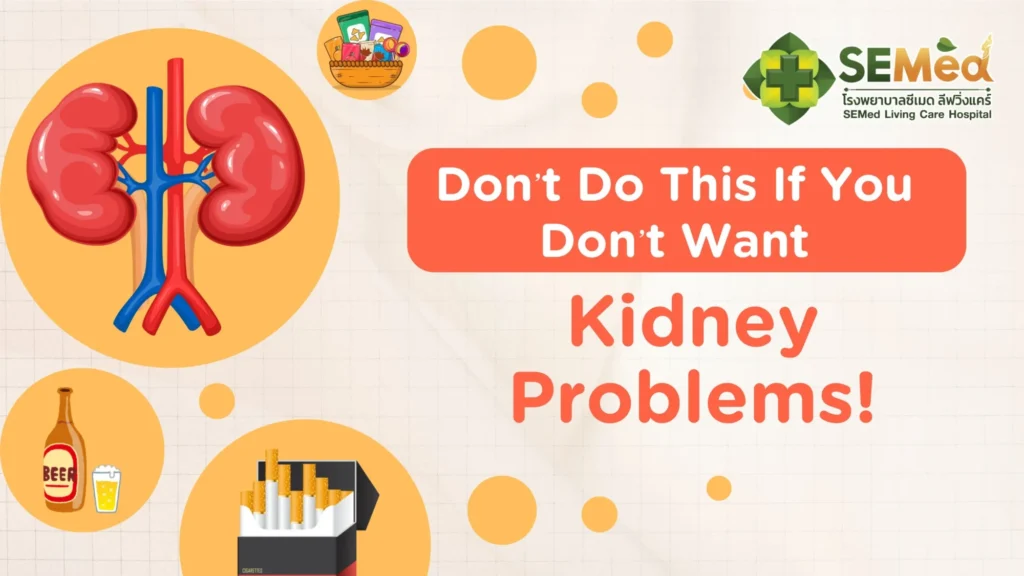
The kidneys are vital organs that play an important role in filtering waste and maintaining the balance of water and electrolytes in the body. However, as we go about our daily lives, we often forget the importance of taking care of our bodies and organs to ensure their optimal function. When it comes to kidney health, it’s essential to avoid certain habits that can harm these crucial organs. If you’d like to know the factors that negatively impact kidney health so you can avoid and prevent them, here’s what you should be aware of Factors That Damage the Kidneys 1. High Sodium Intake Consuming salty foods, such as processed foods or snacks, might be tasty but forces the kidneys to work harder, potentially leading to kidney deterioration. 2. Inadequate Water Intake Dehydration can cause waste to accumulate in the kidneys and may lead to kidney stones, a condition that can significantly weaken your health. 3. Overuse of Certain Medications Medications like painkillers, including ibuprofen or paracetamol, if taken excessively, can damage kidney tissues. While these drugs may not have immediate side effects, they can pose serious risks over the long term. 4. Alcohol Consumption and Smoking Alcohol and tobacco increase the risk of chronic kidney disease. 5. Poor Management of Chronic Diseases Uncontrolled diabetes and hypertension accelerate kidney deterioration. How to Maintain Healthy Kidneys Daily Stay Hydrated: Drink enough clean water every day. Calculate your water intake to prevent overloading the kidneys. Avoid Excessive Salt and Fat: These dietary habits place additional strain on your kidneys. Exercise Regularly: Regular physical activity helps strengthen your immune system and maintain overall health. Get Annual Health Check-ups: Include kidney function tests in your routine health examinations. If you are experiencing any concerns about your physical or mental health, consult a doctor or psychologist for appropriate advice and treatment. If you need urgent mental health support, call your local mental health hotline to speak with a professional who can provide immediate assistance. We are committed to providing academic and professional health information support to workplaces, covering a wide range of topics in general health and occupational medicine. Our team offers expert health consultations, delivering caring, prompt, and efficient services to ensure customer satisfaction and maximum benefit. Whenever it’s time for a health check-up, think of SEMed Living Care Hospital. We never stop improving because your long-term health is our priority. TEL.: 0-2199-2111 To 161 Marketing DepartmentOr 081-358-6493 (Mr.Aon), 086-368-5317 (Mr.ICE)Email: [email protected]: @semedFacebook: SEMed living care hospital
7 How to Maintain Good Mental Health

Good mental health is a crucial factor that enables us to live happily and achieve success in various aspects of life. Taking care of your mental health not only helps reduce stress but also promotes healthy relationships and enhances productivity at work and learning. Here are some ways you can take care of your mental health. 7 How to Maintain Good Mental Health 1. Create a Balance Between Work and Personal Life Overworking or not having time for yourself can lead to stress and accumulated fatigue. Allocate time for activities you enjoy, such as exercising, relaxing, or doing things that bring you happiness. Achieving balance in life helps reduce mental burdens and increases daily happiness. 2. Practice Mindfulness and Meditation Practicing mindfulness and meditation can help you better manage stress and anxiety. You can practice meditation through yoga, sitting meditation, or even deep breathing for 5-10 minutes daily. Spending this time will help you feel calm and more relaxed. 3. Communicate and Share Your Feelings Talking to someone you trust, such as family, friends, or mental health professionals, is a great way to express feelings and receive advice. Don’t hesitate to seek help when you feel overwhelmed by problems. Communication helps reduce stress and fosters a deeper understanding of yourself. 4. Take Care of Your Physical Health Mental and physical health are closely interconnected. Eating nutritious food, exercising regularly, and getting enough sleep significantly impact your mental health. Avoiding excessive use of substances or alcohol is also essential. 5. Set Goals and Stay Positive Setting goals in life and trying to view the world positively can inspire and bring happiness to your daily life. Start with small, achievable goals and gradually progress to bigger ones. Rewarding yourself for achieving these goals will build pride and boost your morale. 6. Avoid Stressful Situations If you know certain situations stress you out, try to avoid or manage them appropriately. You might use communication to find solutions or better time management to avoid unnecessary pressure. 7. Find Enjoyment in Life Engaging in activities you love, such as listening to music, reading books, watching movies, or traveling, helps you relax and recharge with positive energy. Doing what makes you happy contributes to maintaining mental balance. Good mental health doesn’t happen overnight but is a result of consistent self-care. If you feel your mental health issues are beyond your ability to handle, don’t hesitate to seek help from professionals. Taking care of your mental health not only improves your own life but also positively affects those around you. We are committed to providing academic and professional health information support to workplaces, covering a wide range of topics in general health and occupational medicine. Our team offers expert health consultations, delivering caring, prompt, and efficient services to ensure customer satisfaction and maximum benefit. Whenever it’s time for a health check-up, think of SEMed Living Care Hospital. We never stop improving because your long-term health is our priority. TEL.: 0-2199-2111 To 161 Marketing DepartmentOr 081-358-6493 (Mr.Aon), 086-368-5317 (Mr.ICE)Email: [email protected]: @semedFacebook: SEMed living care hospital
“Allergies” A Common Condition Many Overlook

Allergies are a common health issue that many people face, especially those living in urban areas where air pollution and environmental changes are prevalent. While not typically life-threatening, allergies can significantly affect your quality of life if not managed properly. What Are Allergies? An allergy occurs when your immune system reacts to a harmless substance, known as an allergen, as if it were dangerous. Common allergens include dust, pet dander, pollen, certain foods, and even medications. Symptoms can vary depending on the type of allergen and your genetic makeup. Types of Allergies Respiratory Allergies Symptoms: Runny nose, nasal congestion, sneezing, or itchy nose Common triggers: Dust mites, pollen, mold Skin Allergies Symptoms: Itchy skin, redness, rashes, or flaky skin Common triggers: Chemicals in cleaning products or metals like nickel Food Allergies Symptoms: Nausea, diarrhea, or rashes after eating certain foods Common triggers: Milk, eggs, nuts, shellfish Insect Sting Allergies Symptoms: Localized swelling, itching, or severe reactions like difficulty breathing or shock How to Prevent and Manage Allergies Avoid Allergens Keep your home clean and free of dust Use air purifiers indoors Avoid foods or substances that have caused allergic reactions before Boost Your Immune System Eat a healthy diet rich in vegetables, fruits, and vitamin C Exercise regularly Seek Medical Advice Get a proper diagnosis and treatment plan from a doctor Allergies in Children and Why Early Care Matters Allergies are often seen in young children, such as food allergies or skin allergies. Early detection and care are crucial as allergies in childhood can impact growth and daily life. Although allergies are a common health issue, they can be managed and prevented with proper care. Avoiding allergens, maintaining a healthy lifestyle, and seeking medical advice when needed are key to living a quality life without the burden of allergies. If symptoms become severe, consult a doctor promptly for appropriate treatment and guidance. We are committed to providing academic and professional health information support to workplaces, covering a wide range of topics in general health and occupational medicine. Our team offers expert health consultations, delivering caring, prompt, and efficient services to ensure customer satisfaction and maximum benefit. Whenever it’s time for a health check-up, think of SEMed Living Care Hospital. We never stop improving because your long-term health is our priority. TEL.: 0-2199-2111 To 161 Marketing DepartmentOr 081-358-6493 (Mr.Aon), 086-368-5317 (Mr.ICE)Email: [email protected]: @semedFacebook: SEMed living care hospital
