
Liver Cancer: The Silent Threat You Need to Know and How to Protect Yourself
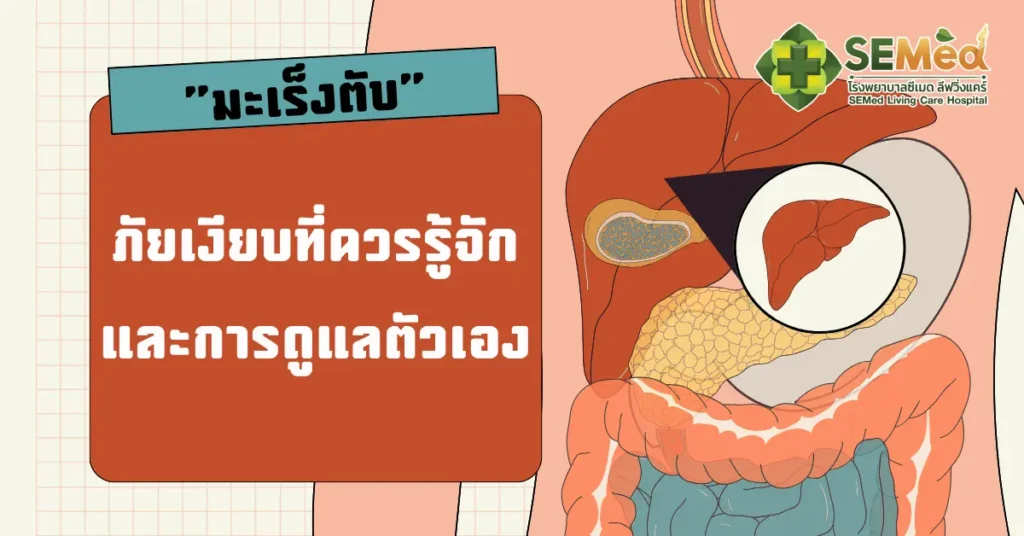
Liver Cancer: The Silent Threat You Should Know and How to Protect Yourself Liver cancer is one of the most common cancers worldwide and a leading cause of cancer-related deaths, especially in Thailand. Each year, the number of liver cancer patients continues to rise. The liver plays a crucial role in detoxifying the body, producing proteins, and regulating metabolism. Understanding this disease can help you recognize the importance of liver health and encourage preventive actions against liver cancer. What Is Liver Cancer? Liver cancer results from the abnormal growth of liver cells. There are two major types: 1. Primary Liver Cancer This type originates in the liver itself. The most common form is Hepatocellular Carcinoma (HCC). 2. มะเร็งตับ ระยะทุติยภูมิ (Secondary Liver Cancer) This type occurs when cancer from other organs (like the colon, breast, or lung) spreads to the liver. It usually indicates a more advanced, serious condition. Causes and Risk Factors 1. Chronic Hepatitis B or C infection Chronic Hepatitis B or C infection: Long-term viral infections can cause liver inflammation and cirrhosis, increasing cancer risk. 2. Excessive Alcohol Consumption Excessive Alcohol Consumption: Chronic alcohol abuse leads to liver cirrhosis, a major cause of liver cancer. 3.Fatty Liver Disease and Obesity Non-alcoholic fatty liver disease, often related to obesity, also increases the risk. 4. Exposure to Toxins Such as aflatoxins found in improperly stored grains and nuts. 5. Chronic Diseases Diabetes and high blood pressure contribute to metabolic syndrome, impacting liver health. Symptoms of Liver Cancer to Watch For Early Symptoms: Unexplained fatigue Unintentional weight loss Persistent loss of appetite Abdominal bloating or discomfort on the upper right side Advanced Symptoms: Pain in the upper right abdomen Jaundice (yellowing of the skin and eyes) Swollen abdomen due to fluid accumulation (ascites) Detectable mass in the liver area If you experience any of these symptoms, seek medical advice immediately. Early detection is crucial for successful treatment. How Liver Cancer Is Diagnosed Blood Tests: Checking levels of Alpha-Fetoprotein (AFP), often elevated in liver cancer. Ultrasound: Detects liver tumors or abnormalities. CT or MRI Scans: Provide detailed images of the liver. Liver Biopsy: Confirms the diagnosis by analyzing liver tissue samples. Treatment Options Treatment depends on the stage of cancer and the patient’s overall health: Surgery: Suitable for early-stage cancers without spread. Liver Transplant: For patients with liver cirrhosis and ineligible for surgery. Localized Treatments: Such as Radiofrequency Ablation (RFA) or Transarterial Chemoembolization (TACE). Medications: Including targeted therapy and immunotherapy. Palliative Care: Focuses on improving quality of life for patients with advanced disease. Preventing Liver Cancer 1. Prevent Hepatitis Infections Vaccination against Hepatitis B and avoiding needle sharing. safe sex practices 2. Limit Alcohol Consumption Drink in moderation or avoid alcohol altogether. 3. Maintain a Healthy Weight Eat nutritious food and exercise regularly. 4. Avoid Food Contamination Be cautious with grains and nuts that may contain aflatoxins. 5. Regular Health Check-ups Especially important for individuals with existing risk factors. Liver cancer can be life-threatening if not detected and treated in time. Understanding the risks, recognizing symptoms, and taking preventive steps can greatly reduce your chances of developing this disease.At Semed Living Care Hospital, we offer a comprehensive liver health screening program, supported by our own specialized laboratory to ensure accurate and reliable results — because we care about your long-term well-being. Whenever it’s time for a health check-up, think of SEMed Living Care Hospital. We never stop improving because your long-term health is our priority. TEL.: 0-2199-2111 To 161 Marketing DepartmentOr 081-358-6493 (Mr.Aon), 086-368-5317 (Mr.ICE)Email: [email protected]: @semedFacebook: SEMed living care hospital
10 Best Foods for a Healthy Brain

10 Best Foods for a Healthy Brain Your brain helps you think, remember, and control your body. Eating the right foods can make your brain stronger, improve memory, increase focus, and reduce the risk of brain-related problems in the future. 1. Salmon and Other Fatty Fish Fish like salmon and mackerel are rich in omega-3 fatty acids, which build brain cells, reduce inflammation, and keep your nervous system working well. 2. Blueberries and Other Berries Berries, especially blueberries, are packed with antioxidants that protect the brain from aging and degeneration. Flavonoids in blueberries enhance communication between brain cells, improving memory and learning. Plus, they keep your skin youthful—a great bonus for beauty enthusiasts! 3. Nuts and Seeds Almonds, walnuts, and seeds like pumpkin and chia seeds are packed with vitamin E and healthy fats. These help protect your brain from aging and reduce the risk of Alzheimer’s disease. 4. Leafy Greens Vegetables like kale, spinach, and broccoli are high in vitamin K, lutein, and folate, which support brain function. Vitamin K is especially important for building brain cells and preventing cognitive decline. Additionally, these greens help improve blood clotting, aiding wound healing. 5. Dark Chocolate Dark chocolate with high cocoa content contains compounds that improve blood flow to the brain, boost focus, and enhance short-term brain function. 6. Eggs Eggs are a great source of choline, which is crucial for producing acetylcholine, a neurotransmitter involved in memory and learning. They are versatile and easy to prepare, making them a favorite among children and adults alike. 7. Green Tea Green tea contains L-theanine, which reduces stress and enhances focus, along with caffeine that stimulates brain activity. It’s a refreshing drink that also comes in various forms, such as desserts, drinks, and dairy products. 8. Whole Grains Foods like oats, whole wheat bread, and quinoa provide steady energy to the brain and help it function well throughout the day. 9. Avocado Avocados have healthy fats that improve blood flow to the brain and reduce the risk of cognitive decline. 10. Turmeric Turmeric contains curcumin, which reduces brain inflammation and protects it from damage. It also helps improve mood and reduce stress. Tips for a Brain-Healthy Diet Eat a variety of foods in balanced portions. Limit processed foods and sugary snacks. Stay hydrated to maintain body and brain balance. Taking care of your brain starts with choosing the right foods. A brain-healthy diet not only boosts memory and focus but also prevents future cognitive diseases. Start nurturing your brain today for a healthier tomorrow! Whenever it’s time for a health check-up, think of SEMed Living Care Hospital. We never stop improving because your long-term health is our priority. TEL.: 0-2199-2111 To 161 Marketing DepartmentOr 081-358-6493 (Mr.Aon), 086-368-5317 (Mr.ICE)Email: [email protected]: @semedFacebook: SEMed living care hospital
Pre- Cosmetic Surgery Health Check: Importance and Key Steps

In today’s world, Cosmetic Surgery has become increasingly popular, whether for aesthetic enhancement or medical treatment. However, before undergoing any surgical procedure, it is crucial not to overlook the pre- Cosmetic Surgery health check. This step ensures safety and minimizes risks during or after the surgery. The Importance of Pre- Cosmetic Surgery Health Checks Assessing Physical ReadinessA health check allows doctors to determine whether the patient’s body is in a suitable condition for surgery. This includes evaluating the function of the heart, lungs, and circulatory system, as well as preparing for surgery through adequate rest, proper nutrition, and hydration. Reducing Risks During SurgeryIf any health risks, such as chronic diseases or other medical issues, are identified, doctors can create a plan to manage and mitigate these risks in advance. Selecting Appropriate Surgical Techniques and AnesthesiaComprehensive health information enables the doctor to choose the most suitable anesthesia method and surgical techniques tailored to the individual patient. Planning the Treatment EffectivelyHealth data helps the medical team devise a safe and effective treatment plan, ensuring a higher degree of safety for the surgery. Steps in a Pre- Cosmetic Surgery Health Check Medical History ReviewThe doctor will inquire about the patient’s medical history, including chronic illnesses, medication allergies, current medications, and previous surgeries. Basic Physical ExaminationThis includes checking blood pressure, pulse, weight, height, and conducting a general physical assessment to evaluate the patient’s health status. Blood and Urine TestsThese tests detect abnormalities such as anemia, infections, or dysfunction in the liver or kidneys. Electrocardiogram (ECG)For older patients or those with a history of heart disease, an ECG helps assess cardiac function and determine whether the patient is fit for surgery. Personalized EvaluationAdditional assessments, such as chest X-rays or genetic analysis, may be conducted depending on the type of surgery and individual risk factors. These evaluations are tailored to each patient’s specific needs. Pre- Cosmetic Surgery Preparation Guidelines Fasting: Refrain from eating or drinking for at least 8 hours before blood tests. Medication Disclosure: Inform the doctor about any current medications and follow instructions about discontinuing certain drugs. Medical Records: Prepare your medical history and related documents for the doctor’s review. A pre- Cosmetic Surgery health check not only enhances safety but also ensures a smooth surgical process while minimizing long-term risks. Those planning surgery should prioritize this essential step and choose a reputable medical facility. Consulting a qualified specialist for personalized advice is also crucial. SEMed Living Care Hospital offers a comprehensive and reliable pre-surgery health check program. With a team of experienced doctors and an in-house laboratory known for its accuracy, patients can rest assured of the highest standard of care.
Diabetes: A Manageable Threat
Diabetes is a chronic disease affecting millions of people worldwide, including a growing number in Thailand. Despite being seen as dangerous and complex, diabetes can be managed and controlled with proper understanding and care, allowing patients to maintain a good quality of life. What is Diabetes? Diabetes is a condition where blood sugar levels are higher than normal due to insufficient insulin production or the body’s inability to use insulin effectively. It is categorized into three main types: Type 1 Diabetes: Caused by an autoimmune reaction that attacks insulin-producing cells in the pancreas. Type 2 Diabetes: Common in adults and linked to lifestyle factors such as poor diet and lack of exercise. Gestational Diabetes: Occurs during pregnancy and typically resolves after childbirth but increases the risk of future diabetes. Early Symptoms to Watch For Frequent urination, especially at night Excessive thirst and hunger Unexplained weight loss Fatigue and weakness Slow-healing wounds or frequent infections If you experience these symptoms, consult a doctor for diagnosis and timely treatment. How is Diabetes Treated? Although diabetes cannot be completely cured in most cases, managing blood sugar levels close to normal can reduce the risk of complications. Treatment options include: 1. Lifestyle Modifications Adopt a balanced diet, avoiding excessive sugar and trans fats. Engage in regular physical activity, such as brisk walking or swimming. 2. Medication Oral medications for Type 2 diabetes Insulin injections for Type 1 diabetes or when necessary 3. Close Health Monitoring Regularly check blood sugar levels. Visit your doctor to adjust treatment plans as needed. How to Prevent Diabetes Preventing diabetes, particularly Type 2, is achievable through simple healthy habits: Avoid sugary and fatty foods. Maintain a healthy weight. Incorporate more physical activity into your daily routine. Get annual health check-ups to identify risks early. Diabetes might seem daunting, but with discipline and adherence to medical advice, patients can lead long and fulfilling lives. Prevention and education are vital for everyone to create a healthier society and reduce the risks of this serious condition in the long run. สอบถามรายละเอียดเพิ่มเติม โทร.: 0-2199-2111 ต่อ 161 แผนกการตลาด หรือ 081-358-6493 (คุณอ้น), 086-368-5317 (คุณไอซ์) อีเมล: [email protected] LINE: @semed Facebook: SEMed living care hospital
Understanding Diabetes: Manage It, Start with Yourself
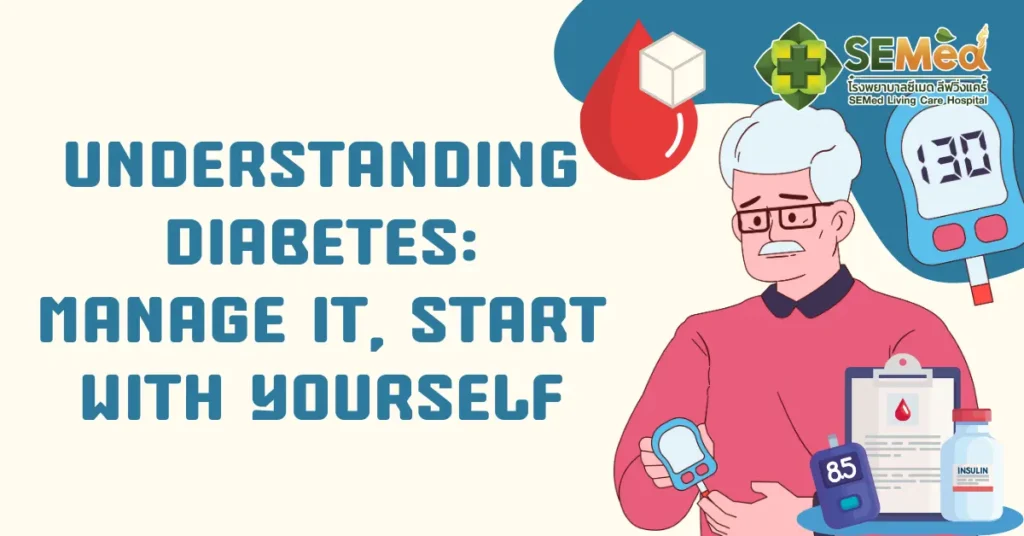
Diabetes: A Growing Concern Diabetes is one of the major chronic diseases impacting lives worldwide, especially in Thailand, where the number of patients is steadily rising across all age groups. Although often perceived as a dangerous and complex disease, with the right understanding and proper management, diabetes can be controlled and treated, enabling patients to enjoy a better quality of life. What is Diabetes? Diabetes is a condition characterized by high blood sugar levels due to insufficient insulin production or the body’s inability to use insulin effectively. It is primarily divided into three types: Type 1 Diabetes: Caused by an autoimmune disorder where the immune system attacks the insulin-producing cells in the pancreas. Type 2 Diabetes: Commonly found in adults and closely linked to lifestyle factors such as poor diet and lack of regular exercise. Gestational Diabetes: Occurs during pregnancy and often resolves after childbirth, but increases the mother’s risk of developing diabetes later in life. It is important to continue monitoring health even after giving birth. Early Signs and Symptoms of Diabetes Be aware of the following signs: Frequent urination, especially at night (more than twice per night) Excessive thirst and hunger Unexplained weight loss or unusual weight gain Persistent fatigue and weakness Slow-healing wounds or frequent infections How is Diabetes Treated? Although diabetes cannot be completely cured in most cases, maintaining blood sugar levels close to normal can significantly reduce the risk of complications. Key management methods include: 1. Lifestyle Modifications Eat a balanced diet: Avoid sugary, high-fat foods, and foods high in salt. Exercise regularly: Activities such as running, walking, or swimming are highly recommended. 2. Medication Oral medications tailored to each type of diabetes Insulin therapy, if necessary, for better blood sugar control 3. Regular Health Monitoring Regular blood sugar testing to ensure levels remain within the target range Frequent doctor visits for monitoring, adjusting treatment plans, and lifestyle counseling How to Prevent Diabetes Avoid excessive sugar and fatty foods Maintain a healthy weight Increase daily physical activity and exercise regularly Get annual health check-ups to detect risks early While diabetes may seem daunting, with discipline, proper self-care, and strict adherence to medical advice, individuals with diabetes can lead long, healthy, and fulfilling lives. At SEMed Living Care Hospital, we offer specialized diabetes screening programs led by highly qualified doctors and researchers. We are committed to providing a healthcare experience like no other, helping to reduce the impact of diabetes across all age groups and fostering a healthier, more sustainable community. TEL.: 0-2199-2111 To 161 Marketing DepartmentOr 081-358-6493 (Mr.Aon), 086-368-5317 (Mr.ICE)Email: [email protected]: @semedFacebook: SEMed living care hospital
5 Benefits of Quality Sleep

5 Benefits of Quality Sleep Have you ever had a day where everything just feels off? You’re annoyed with people around you, your mind feels foggy, and it’s hard to focus no matter what you do. It might just be “one of those bad days.” But have you ever stopped to think about how well you slept the night before? Did your body get enough rest to recharge for the day ahead? Sleep is a big part of our lives, even if we don’t always realize it. Studies show that getting good sleep regularly can improve many parts of our lives, like helping us maintain a healthy weight and reducing the risk of heart disease. That’s why having “good sleep health” is so important. In this article, we’ll talk about why sleep matters, what the benefits of good sleep are, and what can happen if you don’t get enough rest. Let’s find out together! 1. Improved Brain Function and Memory Getting sufficient sleep significantly enhances the brain’s ability to process, learn, and organize memories systematically. It prepares you for learning new things while enabling better recall of past information. Additionally, quality sleep boosts concentration, clears your mind, and enhances your ability to analyze, make decisions, and solve problems creatively. 2. Better Emotional Health and RelationshipsSleep is essential for physical and mental restoration. Good sleep reduces stress, improves mood, and enhances emotional regulation. 3. A Healthier HeartSleep deprivation or disrupted sleep can increase the risk of high blood pressure, an enlarged heart, irregular heartbeats, and inflammation of blood vessels—key factors contributing to heart disease. 4. Weight Management and Blood Sugar RegulationGood sleep helps control hunger by regulating hormones related to appetite and satiety, reducing the likelihood of late-night snacking. Poor sleep disrupts these hormones, making weight management more challenging and increasing the risk of obesity or diabetes. 5. Strengthened Immune SystemQuality sleep boosts the immune system, allowing the body to rest and recover, ready to fend off infections efficiently. Conversely, prolonged sleep deprivation weakens immunity, making you more susceptible to illnesses. Inflammation increases, and the body’s response to foreign invaders slows and becomes less effective. Disadvantages of Sleep Deprivation Reduced Concentration and MemoryLack of sleep affects brain function, leading to difficulties in focusing, making decisions, and remembering things. Weakened Immune SystemWhen you don’t get enough rest, your body produces fewer infection-fighting cells, making you more prone to illnesses. Increased Risk of Chronic DiseasesProlonged sleep deprivation can increase the risk of developing serious health problems such as heart disease, diabetes, and high blood pressure. Mood Swings and Mental Health IssuesInsufficient sleep can lead to irritability, stress, and even more severe mental health conditions like anxiety and depression. Weight GainSleep deprivation can disrupt hormones that regulate hunger, leading to increased appetite and cravings for unhealthy food. If we understand the importance of sleep and prioritize it, good sleep can be the foundation for starting your day on a positive note. Those “It’s just a bad day” moments might just disappear. SEMed Living Care Hospital, we offer modern health check-up programs conducted by a team of experts, ensuring thorough and accurate results. This service is designed to provide you with greater peace of mind and confidence in your health. Source : Noppadon Triprateepsilp MD. & Siriluk pholsiripathom, MD. golden jubilee medical center
Office Syndrome Traditional Chinese Medicine

What is Office Syndrome? Office Syndrome is a condition that has become increasingly common among modern individuals due to changes in lifestyle. In the past, people engaged in more physical activities such as walking, moving around, and working with greater exertion. However, with reduced physical activity and prolonged use of devices like mobile phones, people now tend to use the same muscle groups repeatedly for extended periods. This leads to muscle inflammation and soreness in various parts of the body, particularly the neck, back, shoulders, arms, and wrists. If left untreated, these pains can escalate into chronic conditions and may eventually lead to other musculoskeletal disorders, such as cervical spondylosis or herniated disc compressing the nerves. Office Syndrome treatment One effective treatment involves inserting small, thin needles into specific acupuncture points on the body. This method is safe and effective, as acupuncture helps reduce the release of inflammatory substances like substance P, prostaglandin, and cyclooxygenase-2 (COX-2). It also improves blood flow to the affected muscles and balances hormones like endorphins. Each acupuncture session takes about 30 minutes. Patients may feel a mild pulling or dull sensation at the needle insertion points. In some cases, electrical stimulation or heating lamps may be applied to warm the needles before they are removed. Treatment Duration Typically, treatment is recommended once or twice a week for about ten sessions. Pros and Cons of Acupuncture Pros: Reduces reliance on medications, such as painkillers, which is beneficial for patients with conditions like gastritis or kidney disease. Addresses the root cause of pain precisely through deep bodily mechanisms. Cons: May cause soreness or bruising at the treated area for 2–3 days. Preparation Before Acupuncture Eat beforehand: Have a meal 1–2 hours before the session to avoid dizziness or fainting, especially if the patient is fatigued or overly hungry. Relax: Ensure adequate rest and sleep the night before the session. Wear comfortable clothing: Avoid tight-fitting garments. Precautions Possible complications following acupuncture include: Pain, bruising, or bleeding: Especially in individuals with bleeding disorders or those taking anticoagulants like Warfarin, the risk is higher. Infections: Such as hepatitis or HIV, may occur if non-sterile needles or reused needles are employed. Injury to internal organs: Rare but possible if needles are inserted too deeply, particularly in the case of lung puncture. Interference with pacemakers: Electrical stimulation used during acupuncture can disrupt pacemaker function. Impact on pregnancy: Certain types of acupuncture may stimulate uterine contractions and affect childbirth. For safety and effectiveness, it is crucial to seek treatment at hospitals or certified clinics with qualified practitioners to ensure proper care and avoid risks to the patient’s life and well-being. Source: TEERAWOOT CHANSIRICHAROENGUL, CM.D.golden jubilee medical center
10 Health Promoting Foods for Lowbring Hypertension

Hypertension: A Critical Health Concern Hypertension, or high blood pressure, is a severe condition because early symptoms are often absent. Many individuals only realize they have high blood pressure after significant complications have arisen. High blood pressure is a widespread, chronic health issue globally and in Thailand, particularly as risk increases with age. Understanding Hypertension Hypertension occurs when blood pressure in the arteries rises due to the heart pumping blood throughout the body. Blood pressure is recorded as two values: Systolic Pressure: The pressure when the heart contracts. Diastolic Pressure: The pressure when the heart relaxes. Hypertension is diagnosed when blood pressure consistently reaches or exceeds 140/90 mm Hg. This condition can lead to serious health complications, such as heart disease, stroke, and kidney failure. Hypertension is especially prevalent in older adults and is considered a long-term illness that requires careful management. In Thailand, a large number of people are affected by high blood pressure, making dietary management particularly essential. Let’s examine how proper dietary habits can benefit those with hypertension. Dietary Approaches to Reduce Hypertension (DASH Diet) The DASH diet focuses on reducing sodium, saturated fats, total fats, and cholesterol, while increasing intake of fiber, protein, calcium, and essential minerals like potassium and magnesium, which studies have shown to help reduce blood pressure. DASH Diet Recommendations for Daily Portions Whole Grains: 7-8 servings (about 7-8 portions) to boost fiber intake, aiding in digestion and helping prevent chronic diseases. Fruits and Vegetables: 4-5 servings each (approximately 4-5 cups of vegetables and 3 portions of fruits), providing essential fiber, vitamins, and minerals. Fresh produce is preferable over canned or processed options. Lean Protein, Especially Fish: 2-3 servings (about 4-6 tablespoons), prioritizing low-fat meats like skinless cuts and fish, which provides heart-healthy omega-3 fatty acids that help lower triglycerides and reduce inflammation. Fats and Oils: 2-3 servings (no more than 6 teaspoons). Although fats should be limited, healthy fats are important for absorbing fat-soluble vitamins and provide necessary fatty acids. Nuts and Seeds: Approximately 30 grams or 2 tablespoons daily, such as almonds or peanuts, for healthy fats. Since nuts are calorie-dense, it’s essential to manage portions. To enhance flavor, use herbs and spices instead of high-sodium seasonings. The DASH diet is recommended by the American Heart Association as a strategy for managing high blood pressure. Research, including a systematic review and meta-analysis with over 2000 participants, has demonstrated that following the DASH diet for 2-24 weeks significantly lowers blood pressure, total cholesterol, LDL cholesterol, and reduces the 10-year risk of heart disease by 13%. 10 Foods for Managing Hypertension with the DASH Diet Whole Grains: 7-8 servings of whole grains daily for added fiber and digestive health. Lean Meats: Low-fat meats such as lean red meat and fish rich in omega-3, which helps reduce triglycerides and inflammation. Fresh Fruits and Vegetables: 4-5 servings to boost fiber and mineral intake. Fresh options are recommended over processed or canned foods. Healthy Fats: Limit to 6 teaspoons daily to provide essential fatty acids and support vitamin absorption. Nuts and Seeds: Include options like almonds and peanuts, but limit to avoid excess calories. Hibiscus: Contains anthocyanins, which help strengthen blood vessels. Celery: Known for its diuretic and anti-inflammatory properties, which help regulate blood pressure. Garlic: Contains allicin, known to lower blood pressure and cholesterol. Lemongrass: Aids in diuresis, relaxation, and blood pressure reduction. Andrographis: Known for expanding blood vessels and lowering heart rate, which aids in controlling blood pressure. 7 Lifestyle Adjustments for Managing Hypertension in Older Adults Guidelines for managing hypertension in older adults through lifestyle adjustments include: Maintain a Healthy Weight. Regular Physical Activity: At least 30 minutes daily, 5 days a week. Limit Sodium Intake: Keep sodium under 2300 mg per day to aid blood pressure control. Adopt the DASH Diet. Limit Alcohol Consumption. Quit Smoking: Although not directly linked to lowering blood pressure, quitting reduces cardiovascular risks. Reduce Stress: Manage anxiety and improve overall blood pressure. In Summary While diet is crucial for managing hypertension, long-term lifestyle changes—including proper nutrition and regular exercise—are essential for preventing and treating high blood pressure. Sustainable lifestyle changes serve as the cornerstone of hypertension prevention and effective management, enhancing the benefits of medication when needed. Source : Mahidol University แชร์
Glaucoma A Silent and Frightening Threat

Glaucoma…The Silent Threat Glaucoma is one of the leading causes of permanent vision loss. In Thailand, over 2 million people suffer from glaucoma. Symptoms In the early stages, most patients do not show any symptoms, making it difficult for them to realize they have glaucoma. Often, it is accidentally detected in routine eye exams. Over time, vision gradually narrows until it reaches the point of blurred vision, which is usually noticed in the advanced stages of the disease. Without treatment, glaucoma can ultimately lead to blindness. In cases of acute angle-closure glaucoma, however, symptoms may include severe eye pain, headache, blurred vision, red eyes, light sensitivity, and tearing. This condition requires urgent medical attention from an ophthalmologist. Causes Glaucoma results from abnormalities in the circulation of the eye’s aqueous humor (fluid within the eye). It may be due to overproduction or insufficient drainage of this fluid. When fluid accumulates, intraocular pressure rises, leading to optic nerve cell damage. Typically, normal intraocular pressure ranges between 5-22 mmHg. If intraocular pressure exceeds 22 mmHg, it is considered elevated and poses a risk for glaucoma. Types Glaucoma can be classified by various factors: By angle type: open-angle glaucoma and angle-closure glaucoma. By cause: Primary glaucoma (with no specific cause) and secondary glaucoma (caused by other eye conditions, such as trauma, intraocular inflammation, cataracts, or diabetic retinopathy). By progression: acute glaucoma and chronic glaucoma. Treatment Since glaucoma causes permanent damage to the optic nerve, the cells that die cannot regenerate. Therefore, treatment focuses on maintaining existing vision and preventing further damage to the optic nerve. The treatment options include: Medication: Medication is the initial and often most effective treatment. The goal is to lower intraocular pressure to prevent further optic nerve damage. Patients must use eye drops consistently, sometimes in combination, with regular follow-up visits for dose adjustment and monitoring of side effects. Laser Treatment: This option depends on the type and stage of glaucoma. Laser procedures include: Laser Peripheral Iridotomy (LPI): Used to treat angle-closure glaucoma and prevent acute attacks. Selective Laser Trabeculoplasty (SLT): Used for open-angle glaucoma, either as a primary treatment or in addition to eye drops if they are insufficient. Laser Cyclophotocoagulation: Applied in cases where other treatments have proven ineffective. Surgery: Surgery is necessary when intraocular pressure cannot be controlled with medications or laser treatment. Surgical options include: Trabeculectomy: Creating a new drainage pathway within the eye. Glaucoma Drainage Device (GDD): Implanting a drainage tube in the eye. Alternative treatments like eye massage, herbal remedies, or dietary supplements are not standard, evidence-based treatments. They may not only be ineffective but also potentially harmful, especially in advanced glaucoma. Risk Factors Those at high risk for glaucoma should have annual screenings with an ophthalmologist. High-risk groups include: Individuals over 40 years old. Those with a direct family history of glaucoma (parent, sibling) over 35 years old. Those with a history of eye trauma. Regular users of steroids. Individuals with high myopia (nearsightedness) or high hyperopia (farsightedness). People with diabetes. แชร์
“Medication Use in Diabetes Patients”

Diabetes is recognized as one of the most common non-communicable chronic diseases (NCDs). The primary goal of diabetes treatment is to maintain blood sugar levels within an appropriate range. Achieving this requires comprehensive health care, lifestyle modifications, and a clear understanding of correct medication use. Here, we present essential knowledge to help diabetes patients use their medications safely and effectively. Currently, there are two primary types of diabetes medications: oral medications and injectable insulin. 1. Oral Medications for Diabetes Oral diabetes medications may be prescribed for use before or after meals. It is crucial to follow the instructions on the label or as prescribed by the doctor or pharmacist. These medications are categorized into the following main groups: Sulfonylureas (e.g., Glibenclamide, Glipizide): Typically taken 30 minutes before meals, 1-2 times a day, as prescribed by the doctor. Biguanides (e.g., Metformin): Usually taken immediately after meals to minimize gastrointestinal side effects, typically 2-3 times a day as directed. Alpha-glucosidase Inhibitors (e.g., Acarbose, Glucobay): Should be taken with the first bite of a meal, with the dosage adjusted to align with the patient’s meal schedule. Thiazolidinediones (e.g., Rosiglitazone, Pioglitazone): Taken 15-30 minutes after meals, 1-2 times daily as prescribed. 2. Injectable Insulin There are two main types of injectable insulin: Clear Insulin and Cloudy Insulin: Before injecting, the insulin vial should be gently rolled between the palms to bring it to body temperature, but avoid shaking to prevent air bubbles. Insulin can be injected under the skin in areas such as the abdomen, upper arm, thigh, and hip. The abdomen is often the preferred site for its consistent absorption rate, but injections should be made at least 1-2 inches away from the navel, with rotation between sites to avoid repeated use of the same spot daily. The timing of insulin injections should align with meals and the insulin type. For rapid-acting insulin, injections are typically administered 15 minutes before meals, while short-acting insulin is given 30 minutes before meals. Intermediate or long-acting insulin may be administered before meals or at bedtime, and daily injections should occur at consistent times to help stabilize blood sugar levels. Principles of Diabetes Medication Use Consistency: Medications and/or insulin injections should be taken as prescribed daily to control blood sugar levels and prevent complications in other organs. Do not stop, increase, or decrease the dose without consulting a doctor. Meal-Related Dosages: Since many diabetes medications are related to meal timing, it is beneficial to set an alarm or reminder for timely intake of both oral medications and insulin. Avoid Using Others’ Medications: Do not take medication prescribed for someone else. Regular Medical Consultations: Attend medical appointments as scheduled and inform the doctor of medication adherence, as it may influence blood sugar levels. Side Effects: If severe side effects occur, seek medical assistance immediately. Herbal or Supplement Use: Avoid using herbal or dietary supplements to control blood sugar as they may interfere with current medications and increase the risk of side effects. Proper Medication Storage: For oral medications, use a daily pill container if doses need to be divided, but avoid storing them in ways that expose them to moisture or light. Injectable insulin should be kept in the refrigerator at 4-8 degrees Celsius, away from the refrigerator door and freezer section. Insulin vials in use can be stored at room temperature if it is not too high, but they should be used within 30 days after opening. References: New tab (mahidol.ac.th)https://oryor.com/%E0%B8%AD%E0%B8%A2/detail/media_specify/714https://somdej.or.th/?p=7015https://www.nur.psu.ac.th/nur/file_unit/134120181018155740.pdf (Page 42-47)https://sriphat.med.cmu.ac.th/th/knowledge-802https://www.doctor.or.th/article/detail/4749https://www.rajavithi.go.th/rj/wp-content/uploads/2017/02/00-Title-Cont-Diabetic1.pdf(Slide 71-74) แชร์
