
Health Check Foreign Workers (Work Permit)

Health Check Foreign Workers (Work Permit) The Importance of Health Check-ups for Foreign Workers Health check-ups for foreign workers help identify their overall health status and detect any communicable diseases that may affect their ability to work or pose risks to others in the workplace. These check-ups are required by law to ensure that workers are medically fit and free from serious infectious diseases. The certified results are necessary for submitting work permit applications to the Ministry of Labour, confirming that the individual is in good health and capable of performing their duties efficiently. Why Foreign Workers Need Health CheckUp Health checkup for foreign workers are required by law. Employers must ensure their foreign employees undergo medical screening as part of the work permit application process. This helps reduce the risk of serious or contagious diseases that may affect workplace safety and productivity.Medical examinations also assess a foreign worker’s fitness before starting employment and ensure they are physically able to perform their job. Target Groups Foreign workers from Myanmar, Laos, Cambodia, and Vietnam who are temporarily allowed to stay and work in Thailand under the Alien Employment Management Act. Migrant workers not enrolled in the Social Security system, or those whose employers are in the process of enrolling them under the Social Security Act. Dependents of migrant workers, under 18 years old, who are allowed to temporarily stay in Thailand. Foreigners working in informal employment sectors from the four mentioned nationalities. Individuals with unverified legal status, awaiting verification of identity and not yet eligible for government health subsidies. Foreign nationals excluded from the national health coverage system, except: Those with health insurance from their country of citizenship Western expats Foreigners who are required by law to have health insurance, such as international students, diplomats, and employees of international organizations. Required Documents for Health CheckUp To obtain a medical certificate for a work permit, foreign workers need to present the following: A copy of passport, temporary passport, travel document, certificate of identity, non-Thai ID card, or Tor Ror 38/1 (issued by the Department of Provincial Administration for those without nationality proof). Copy of employer’s Thai national ID card and house registration document. Copy of the ID and house registration of the person whom the foreign worker resides with. Copy of Social Security confirmation documents or proof of contribution payment (if applicable). Copy of work permit application, existing work permit, or employment quota letter issued by the Department of Employment (if applicable). What’s Included in the Medical CheckUp? The medical check-up for work permit application includes the following: Physical Examination by a doctor Chest X-ray Urine test for Methamphetamine Blood test for Syphilis (VDRL) Issuance of Medical Certificate Medical Conditions Screened The medical certificate for work permit application must confirm the absence of the following diseases: Leprosy Tuberculosis Drug Addiction Chronic Alcoholism Elephantiasis (Lymphatic Filariasis) Syphilis Service Fee Work Permit Medical Certificate: 500 THB per person Validity 90 days from the date of issuance Result Waiting Time Same-day results within 40 minutes to 1 hour (depending on number of clients) Preparation Before Health Check No need to fast, but avoid alcohol 24 hours prior to testing Wear loose clothing for easy blood pressure and blood sample collection Get adequate sleep before your appointment If you may be pregnant, please inform staff in advance SEMED Living Care Hospital is officially registered as a private hospital authorized to perform health check-ups for foreign workers applying for a work permit, as approved by the Cabinet Resolution dated September 24, 2024.The hospital is fully integrated with the Department of Employment’s system for submitting health check results electronically ensuring a fast, secure, and government-compliant process. We are committed to providing academic and professional support to organizations in the fields of health and occupational medicine. Our team offers expert health consultations, delivering attentive, fast, and effective services to ensure maximum satisfaction and benefit for all our clients. Whenever it’s time for a health check-up, think of SEMED Living Care Hospital. We never stop moving forward because your long term well being is our mission. TEL.: 0-2199-2111 To 161 Marketing DepartmentOr 081-358-6493 (Mr.Aon), 086-368-5317 (Mr.ICE)Email: [email protected]: @semedFacebook: SEMed living care hospital
Diabetes – A common but manageable condition
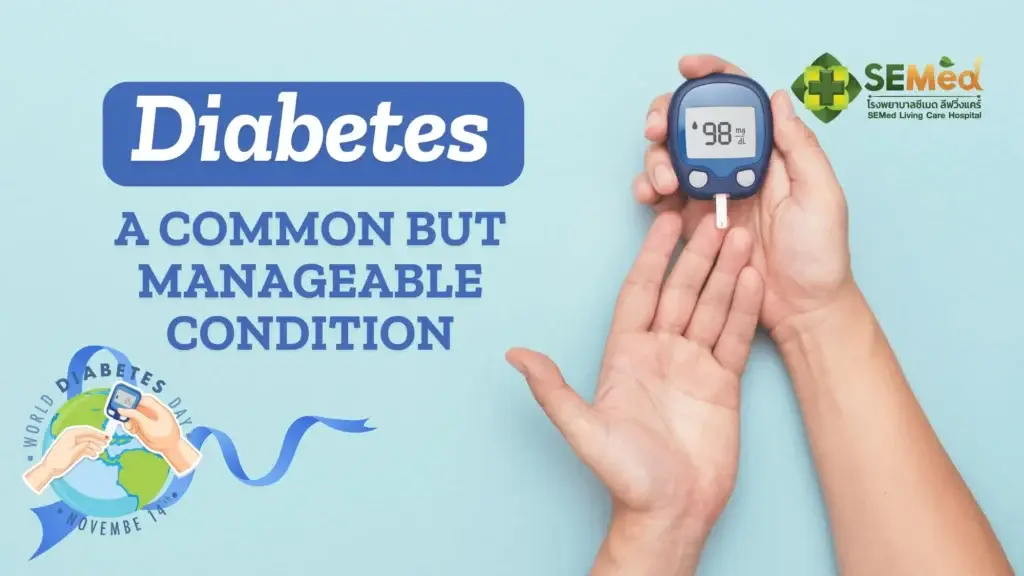
Diabetes: A Manageable Threat Diabetes is a chronic disease affecting millions of people worldwide, including a growing number in Thailand. Despite being seen as dangerous and complex, diabetes can be managed and controlled with proper understanding and care, allowing patients to maintain a good quality of life. What is Diabetes? Diabetes is a condition where blood sugar levels are higher than normal due to insufficient insulin production or the body’s inability to use insulin effectively. It is categorized into three main types: Type 1 Diabetes: Caused by an autoimmune reaction that attacks insulin-producing cells in the pancreas. Type 2 Diabetes: Common in adults and linked to lifestyle factors such as poor diet and lack of exercise. Gestational Diabetes: Occurs during pregnancy and typically resolves after childbirth but increases the risk of future diabetes. Early Symptoms to Watch For Frequent urination, especially at night Excessive thirst and hunger Unexplained weight loss Fatigue and weakness Slow-healing wounds or frequent infections If you experience these symptoms, consult a doctor for diagnosis and timely treatment. How is Diabetes Treated? Although diabetes cannot be completely cured in most cases, managing blood sugar levels close to normal can reduce the risk of complications. Treatment options include: Lifestyle Modifications Adopt a balanced diet, avoiding excessive sugar and trans fats. Engage in regular physical activity, such as brisk walking or swimming. Medication Oral medications for Type 2 diabetes Insulin injections for Type 1 diabetes or when necessary Close Health Monitoring Regularly check blood sugar levels. Visit your doctor to adjust treatment plans as needed. How to Prevent Diabetes Preventing diabetes, particularly Type 2, is achievable through simple healthy habits: Avoid sugary and fatty foods. Maintain a healthy weight. Incorporate more physical activity into your daily routine. Get annual health check-ups to identify risks early. Conclusion Diabetes might seem daunting, but with discipline and adherence to medical advice, patients can lead long and fulfilling lives. Prevention and education are vital for everyone to create a healthier society and reduce the risks of this serious condition in the long run. Good health starts with you—don’t wait until it’s too late. We are committed to providing academic and professional health information support to workplaces, covering a wide range of topics in general health and occupational medicine. Our team offers expert health consultations, delivering caring, prompt, and efficient services to ensure customer satisfaction and maximum benefit. Whenever it’s time for a health check-up, think of SEMed Living Care Hospital. We never stop improving because your long-term health is our priority. TEL.: 0-2199-2111 To 161 Marketing DepartmentOr 081-358-6493 (Mr.Aon), 086-368-5317 (Mr.ICE)Email: [email protected]: @semedFacebook: SEMed living care hospital
Knee Osteoarthritis
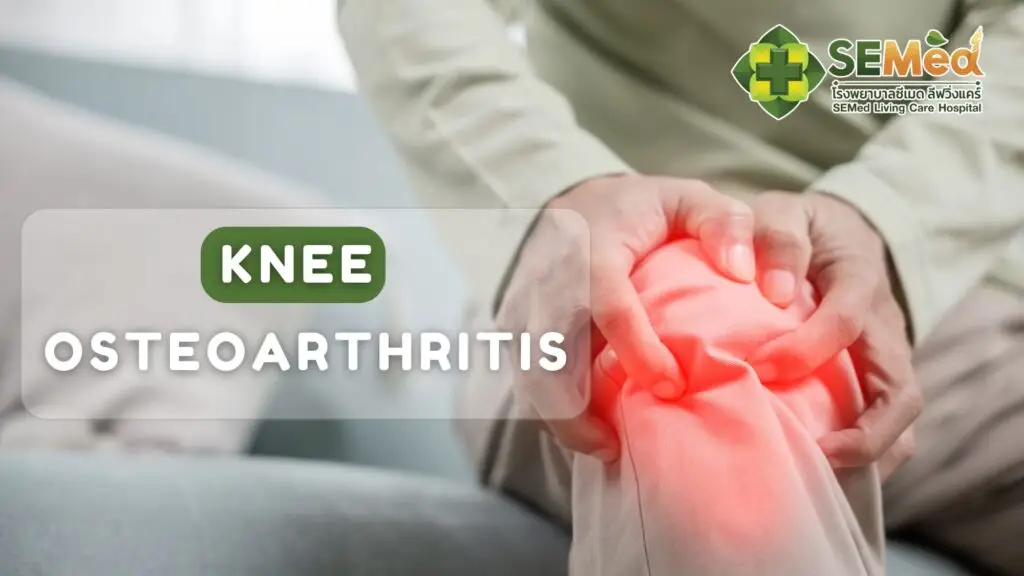
Knee Osteoarthritis: A Growing Concern in All Ages Today, knee osteoarthritis is becoming increasingly common—much more than in the past. This may be due to lifestyle changes, including high-fat diets and lack of regular exercise. While this condition typically appears with age, nowadays even young adults are experiencing symptoms. That’s why it’s important to understand how to live in a way that helps prevent early joint degeneration. What Is Knee Osteoarthritis? Knee osteoarthritis is a condition where the cartilage in the knee joint gradually wears down. This cartilage acts as a cushion, reducing friction and allowing smooth joint movement. When it deteriorates, bones begin to rub against each other, causing pain, swelling, stiffness, and reduced mobility. Causes of Knee Osteoarthritis Aging: One of the most common causes. Over time, the knee joint undergoes wear and tear from long-term use. Excess Body Weight: Being overweight adds pressure to the knee joint, affecting muscles, ligaments, and bones around the area. Maintaining a healthy weight can significantly reduce the risk. Injury or Overuse: High-impact activities like long-distance running or heavy lifting may accelerate cartilage breakdown. Genetics: A family history of osteoarthritis can increase your risk of developing the condition. Chronic Illnesses: Conditions like gout or rheumatoid arthritis can damage the joint over time, leading to osteoarthritis. Symptoms of Knee Osteoarthritis Knee Pain: Especially when moving, and usually relieved with rest. Stiffness: Often felt in the morning or after prolonged sitting. Swelling: Caused by inflammation in the tissues surrounding the joint. Cracking or Grinding Sounds: This happens when bones rub against each other due to lost cartilage. Limited Range of Motion: As the joint deteriorates, movement becomes more difficult. It’s also important to note that knee pain isn’t always caused by osteoarthritis. In many cases, pain may result from muscular issues around the knee. Proper diagnosis by a skilled healthcare provider and consistent evaluation are key. Physical therapy and muscle-strengthening exercises may help relieve pain even when the cartilage is intact. How to Care for and Treat Knee Osteoarthritis Self-Care for Knee Osteoarthritis 1. Maintain a Healthy WeightReducing body weight helps decrease pressure on the knees, lowering the risk of joint degeneration and injury to surrounding muscles and ligaments. 2. Engage in Low-Impact ExerciseLight exercises such as walking, swimming, or yoga can strengthen the muscles around the knee joint and reduce pain. These activities are gentle on the knees, minimizing the risk of further damage. 3. Avoid Activities That Put Excessive Strain on the KneesAvoid heavy lifting or prolonged squatting, as these movements increase pressure on the joints and may also lead to dizziness or discomfort when standing up. Medical Treatments for Knee Osteoarthritis 1. Pain RelieversOver-the-counter medications like paracetamol or non-steroidal anti-inflammatory drugs (NSAIDs) can help manage pain. However, long-term use of painkillers may affect the liver. Therefore, it’s best to consult a doctor rather than self-medicate. 2. Disease-Modifying MedicationsDrugs such as glucosamine and chondroitin may help slow down cartilage degeneration. These should only be taken under a doctor’s supervision. 3. Physical TherapyPhysical therapy strengthens the muscles surrounding the knee, improves flexibility, and enhances joint mobility. It’s an essential part of non-invasive treatment for osteoarthritis. 4. Surgery (Knee Replacement)In severe cases where other treatments are ineffective, knee replacement surgery may be necessary. However, surgery is not a simple solution. It requires a detailed diagnosis by an experienced doctor, and post-surgical rehabilitation is crucial. Without proper physical therapy afterward, walking and normal joint function may remain limited. Preventing Knee Osteoarthritis Maintain a healthy weight to reduce joint stress Exercise regularly to strengthen knee-supporting muscles Avoid high-risk activities such as jumping or running on hard surfaces Eat a nutritious diet rich in calcium and vitamin D to support bone health Knee osteoarthritis is common, especially among the elderly and those with risk factors like obesity or joint overuse. Fortunately, many treatment options exist—from lifestyle changes and medication to physical therapy and surgery—designed to help patients regain their mobility and improve quality of life in the long term. Source : https://arunhealthgarden.com/kneepain-2/6305/ We are committed to providing academic and professional support to organizations in the fields of health and occupational medicine. Our team offers expert health consultations, delivering attentive, fast, and effective services to ensure maximum satisfaction and benefit for all our clients. Whenever it’s time for a health check-up, think of SEMED Living Care Hospital. We never stop moving forward because your long term well being is our mission. TEL.: 0-2199-2111 To 161 Marketing DepartmentOr 081-358-6493 (Mr.Aon), 086-368-5317 (Mr.ICE)Email: [email protected]: @semedFacebook: SEMed living care hospital
Learn About Liver Disease – A Silent Threat That Takes Millions of Lives.

Understanding Liver Disease: A Silent Threat to Global Health Liver disease is one of the most serious health conditions affecting people worldwide. If left undiagnosed or untreated, it can progress to life threatening complications. This article will guide you through the essential aspects of liver disease including its causes, symptoms, prevention, and treatment so you can better understand how to take care of your liver health effectively. What Is Liver Disease? The liver is a vital organ responsible for filtering toxins, synthesizing proteins, and aiding in fat digestion. Liver disease occurs when liver tissue becomes damaged or inflamed, impairing its ability to function properly. There are various types of liver disease, including: Hepatitis Fatty liver disease Liver cirrhosis Each type can lead to serious complications if not addressed early. Common Causes of Liver Disease Liver disease can result from a range of factors. The most common causes include: 📌 Viral InfectionsHepatitis B and C are major causes of liver inflammation and long-term liver damage.🍺 Excessive Alcohol ConsumptionRegular and heavy alcohol intake can gradually destroy liver cells and lead to alcoholic liver disease.🍔 Fatty Liver (NAFLD)An unhealthy diet high in fat, combined with a lack of exercise, can cause fat to build up in the liver, leading to inflammation.☠️ Toxins and MedicationsThe liver filters toxins from everything we consume. Overexposure to certain chemicals or long-term use of specific medications can overwhelm the liver and cause damage.🌿 Unregulated Herbal RemediesTaking herbal medicine over long periods without proper guidance can be harmful. Herbs must be prescribed in specific formulations by qualified professionals. Using random herbal brews without knowledge of their interactions and side effects may result in liver toxicity. Symptoms of Liver Disease You Should Know In its early stages, liver disease often shows no clear symptoms. However, as the disease progresses, the following signs may appear: Persistent fatigue and exhaustion, even after adequate rest Loss of appetite and significant weight loss, often accompanied by general weakness Pain in the upper right abdomen, which can radiate to the mid-back. In some cases, it may be confused with appendicitis Yellowing of the skin and eyes (jaundice), which appears clearly abnormal Swelling in the abdomen and legs, not related to sitting, standing, or lying down for long periods Easy bruising and bleeding, more than usual Preventing Liver Disease Liver disease prevention begins with healthy habits and avoiding risk factors. Here are some key steps: 🍺 Avoid Alcohol Consumption Reducing or quitting alcohol is one of the most effective ways to prevent liver cirrhosis, which is commonly caused by long-term alcohol use. Quitting alcohol altogether is the best choice. 🥦 Eat a Healthy Diet Choose nutrient-rich foods and limit high-fat intake. When excess fat builds up in the body and cannot be eliminated efficiently, it can lead to conditions like fatty liver disease. 🏃♀️ Exercise Regularly Physical activity helps reduce the risk of fatty liver and also improves blood circulation and fat metabolism. 💉 Get Vaccinated Against Hepatitis Vaccines are available to protect against certain types of hepatitis, a major cause of liver disease. 🩺Go for Regular Health Check-ups Early detection through routine medical check-ups can identify liver problems before they become severe. Treatment for Liver Disease Treatment depends on the type and stage of the disease. Common treatment options include: Medications: To reduce inflammation and prevent further liver damage Lifestyle changes: Such as quitting alcohol and improving diet Liver transplant: In severe cases where the liver is extensively damaged, transplantation may be necessary Your Liver Health Matters Liver disease is a serious health condition that should not be ignored. By avoiding risk factors and getting regular check-ups, you can help prevent liver complications. If you experience any unusual symptoms, consult your doctor promptly for proper diagnosis and treatment. Taking care of your liver today ensures better health tomorrow. We are committed to providing academic and professional support to organizations in the fields of health and occupational medicine. Our team offers expert health consultations, delivering attentive, fast, and effective services to ensure maximum satisfaction and benefit for all our clients. Whenever it’s time for a health check-up, think of SEMED Living Care Hospital. We never stop moving forward because your long term well being is our mission. TEL.: 0-2199-2111 To 161 Marketing DepartmentOr 081-358-6493 (Mr.Aon), 086-368-5317 (Mr.ICE)Email: [email protected]: @semedFacebook: SEMed living care hospital
What Are NCDs? Learn the Risks of Non-Communicable Diseases

Non-Communicable Diseases (NCDs): What You Should Know Non-communicable diseases (NCDs) are a group of chronic conditions that are not caused by infections and cannot be transmitted from person to person. They are mainly the result of unhealthy lifestyle choices and various health risk factors, such as smoking, alcohol consumption, poor diet, and lack of physical activity. These diseases tend to develop slowly and last for a long time, significantly affecting quality of life and long-term health. Today, Semed Living Care would like to share this informative article to raise awareness. Major Types of NCDs NCDs are commonly categorized into four main groups: 1. Cardiovascular Diseases These include disorders related to the heart and blood vessels, such as coronary artery disease, heart attack, and stroke. They are among the leading causes of death worldwide. 2. Diabetes Diabetes occurs when the body fails to regulate blood sugar properly, which may lead to complications such as kidney failure, heart disease, and nerve damage. 3. Cancer Cancer is caused by abnormal cell growth that spreads to different parts of the body. Many types of cancer can be prevented through lifestyle changes and early screenings. Detecting cancer early increases the chances of successful treatment, while late diagnosis may lead to life-threatening outcomes. 4. Chronic Respiratory Diseases These include conditions like chronic obstructive pulmonary disease (COPD) and asthma. They are often caused by smoking, exposure to toxic substances, air pollution, and fine dust such as PM2.5. Risk Factors for NCDs Risk factors for non-communicable diseases can be divided into two categories: 🔹 Modifiable Risk Factors Smoking: A leading cause of lung disease, heart disease, and cancer. Cigarettes contain numerous harmful chemicals. Alcohol consumption: Excessive and prolonged drinking increases the risk of liver disease, cancer, and heart disease. Unhealthy diet: Consuming high-fat, high-sugar, and high-salt foods can lead to obesity, diabetes, and cardiovascular diseases. Lack of physical activity: Leads to weight gain and increases the risk of obesity-related diseases. 🔹 Non-Modifiable Risk Factors Genetics: A family history of NCDs can increase your risk. Age: The risk of NCDs increases with age due to the natural degeneration of body systems Gender: Some diseases show different prevalence between men and women, such as heart disease in men and breast cancer in women. Impacts of NCDs NCDs have a wide-reaching impact on health, economy, and society: Health Impact: NCDs are the leading causes of death globally and can significantly affect a person’s quality of life through complications and disability. Economic Impact: The cost of treating NCDs is high and may cause financial strain on families. Social Impact: These diseases can reduce productivity and affect daily functioning, contributing to broader economic and social challenges. Prevention of NCDs NCDs are largely preventable through behavior modification and healthier living habits: Quit smoking and reduce alcohol consumption. Eat a balanced and nutritious diet rich in vegetables, fruits, whole grains, and low-fat protein. Exercise regularly (at least 150 minutes per week). Maintain a healthy weight. Get regular health checkups to detect early risks and prevent disease progression. Conclusion Non-communicable diseases (NCDs) are a serious and growing health concern that can be prevented through appropriate lifestyle changes and awareness. Promoting healthy behaviors and increasing public knowledge about NCDs can help reduce their long-term impact on individuals and society. Source By : https://www.nakornthon.com/article/detail/ncds https://ddc.moph.go.th/uploads/publish/1035820201005073556.pdf We are committed to providing academic and professional health information support to workplaces, covering a wide range of topics in general health and occupational medicine. Our team offers expert health consultations, delivering caring, prompt, and efficient services to ensure customer satisfaction and maximum benefit. Whenever it’s time for a health check-up, think of SEMed Living Care Hospital. We never stop improving because your long-term health is our priority. TEL.: 0-2199-2111 To 161 Marketing DepartmentOr 081-358-6493 (Mr.Aon), 086-368-5317 (Mr.ICE)Email: [email protected]: @semedFacebook: SEMed living care hospital
What Is Tuberculosis (TB)? Causes, Symptoms & Treatment

Tuberculosis (TB): A Preventable but Persistent Global Threat Tuberculosis (TB) is an infectious disease caused by the bacterium Mycobacterium tuberculosis. While it primarily affects the lungs, it can also spread to other organs such as the bones, brain, lymph nodes, and digestive system. TB remains one of the world’s most serious infectious diseases, particularly in countries with underdeveloped healthcare systems, poor sanitation, or densely populated areas. In such settings, TB can easily become a widespread public health crisis if left uncontrolled. Causes and Transmission of Tuberculosis TB is spread through the air via droplets released when a person with active pulmonary TB coughs, sneezes, or even talks. These droplets can carry the TB bacteria and infect others who inhale them. Overcrowded places—such as urban slums, prisons, or poorly ventilated housing—are high-risk environments for TB transmission. Understanding how the disease spreads and recognizing the symptoms early is key to controlling it. Let’s explore the symptoms and prevention methods below. Common Symptoms of Tuberculosis Persistent cough lasting more than 2 weeks, potentially spreading to others Coughing up thick mucus or blood Low-grade fever, especially in the afternoon or evening Excessive night sweats Unexplained weight loss Fatigue and general weakness Diagnosis of Tuberculosis Chest X-ray: Detects abnormalities or scarring in the lungs Sputum test: Identifies Mycobacterium tuberculosis in phlegm Tuberculin Skin Test (TST) or Blood Test: Detects TB infection in the body Treatment for Tuberculosis TB treatment involves taking a combination of anti-tuberculosis drugs prescribed by a doctor for a period of 6 to 9 months. Common medications include: Isoniazid Rifampicin Pyrazinamide Ethambutol It is crucial that patients take their medication consistently and complete the full course. Skipping doses or stopping early can lead to drug-resistant TB, a serious complication that increases the risk of recurrence and can be fatal in severe cases. How to Prevent Tuberculosis BCG vaccination: Especially important for newborns; parents should not neglect this Infection control: Wear masks in crowded places and avoid poorly ventilated areas Early treatment: Diagnosing and treating TB patients promptly helps prevent transmission Annual health checkups: Particularly for high-risk groups such as healthcare workers or those with chronic diseases The Current Situation of Tuberculosis Despite advancements in medicine, TB remains a major public health issue, especially in low- and middle-income countries. Contributing factors include poverty, lack of healthcare resources, and the rise of drug-resistant TB, often linked to poor treatment adherence. Conclusion Tuberculosis is both preventable and treatable with proper diagnosis and continuous treatment. However, the battle against TB requires the collective effort of governments, private sectors, and communities. Raising awareness and promoting prevention in every community is vital to achieving sustainable TB control. We are committed to providing academic and professional support to organizations in the fields of health and occupational medicine. Our team offers expert health consultations, delivering attentive, fast, and effective services to ensure maximum satisfaction and benefit for all our clients. Whenever it’s time for a health check-up, think of SEMED Living Care Hospital. We never stop moving forward because your long term well being is our mission. TEL.: 0-2199-2111 To 161 Marketing DepartmentOr 081-358-6493 (Mr.Aon), 086-368-5317 (Mr.ICE)Email: [email protected]: @semedFacebook: SEMed living care hospital
PMDD Symptoms: A Mood Disorder You Should Know About

What is PMDD? PMDD (Premenstrual Dysphoric Disorder) is a severe mood disorder related to the menstrual cycle, which is more intense than PMS (Premenstrual Syndrome). This condition impacts both the physical and mental health of those who experience it, affecting quality of life, work, and relationships. It is important to understand this condition and manage it properly. Today, Semed brings you helpful information about this condition. Symptoms of PMDD PMDD typically occurs 1-2 weeks before menstruation and improves after menstruation begins. People with this condition may experience the following symptoms: Emotional and Mental Symptoms Increased irritability or anger Depression or feelings of hopelessness and despair Anxiety or restlessness, unable to relax Decreased interest in activities that were once enjoyed Physical Symptoms Fatigue or lack of energy, constant desire to sleep Headaches or body aches, joint pain Breast tenderness or bloating, stomach discomfort Sleep disturbances such as insomnia or excessive sleep Abdominal Pain: A woman sitting in bed with abdominal pain, pressing her hand. Causes of PMDD The exact cause of PMDD is not fully understood, but it is believed to be related to sensitivity to hormonal fluctuations, particularly estrogen and progesterone. Additionally, it may be linked to serotonin, a neurotransmitter that plays a significant role in regulating mood and mental balance. How to Manage and Treat PMDD Behavioral Adjustments and Self-Care Exercise regularly to help balance hormones in the body. Eat a balanced diet and reduce the intake of sugar, caffeine, and salt. Practice relaxation techniques such as meditation or yoga, which can also help reduce menstrual cramps. Medical Treatments Antidepressant medications (SSRIs) to help regulate mood. Birth control pills to regulate hormone levels. Psychological therapy, such as Cognitive Behavioral Therapy (CBT). Consult a Doctor If you suspect you may have PMDD, it is essential to consult a doctor for proper diagnosis and appropriate advice. PMDD is a condition that severely affects women in their reproductive years. Although it can be concerning, it can be managed and treated with self-care and appropriate medical treatment. If you or someone you know experiences these symptoms, don’t hesitate to seek advice to improve your health and maintain emotional stability without affecting those around you. We are committed to providing academic and professional health information support to workplaces, covering a wide range of topics in general health and occupational medicine. Our team offers expert health consultations, delivering caring, prompt, and efficient services to ensure customer satisfaction and maximum benefit. Whenever it’s time for a health check-up, think of SEMed Living Care Hospital. We never stop improving because your long-term health is our priority. TEL.: 0-2199-2111 To 161 Marketing DepartmentOr 081-358-6493 (Mr.Aon), 086-368-5317 (Mr.ICE)Email: [email protected]: @semedFacebook: SEMed living care hospital
7 Effective Ways to Slow Down Aging and Stay Youthful

7 Effective Ways to Slow Down Aging and Stay Youthful Slowing down aging and taking care of yourself to prevent premature aging is not difficult at all if we understand and follow the principles of proper health care and take enough care of ourselves. There are many ways to help delay aging and maintain youthfulness. This article will share simple tips that can help you look youthful and stay healthy at all times. Don’t wait any longer, read on to stay beautiful! 7 Amazing Ways to Slow Down Your Aging Process: 1. Eat a Healthy Diet to Slow Down Aging Food plays an important role in delaying aging. Here’s what you can do: Add more fruits and vegetables to your meals: Rich in vitamins, minerals, and antioxidants, these help reduce cell damage, rejuvenate the skin, and provide moisture. Avoid sugar and processed foods: Sugar accelerates cell degeneration, and processed foods may contain chemicals that trigger aging. It’s best to avoid them. Consume healthy fats: Such as olive oil, avocado, and salmon. These help nourish the skin, the heart, and the brain. Avoid trans fats and unhealthy fats. 2. Exercise Regularly to Slow Down Aging Have you ever seen a comparison between two people of the same age, one who exercises and one who doesn’t? The difference is huge. Even though they’re the same age, the person who exercises looks much younger. Regular exercise stimulates blood circulation, strengthens muscles, and helps reduce stress. Cardio: Activities like brisk walking, swimming, or light running improve heart and cardiovascular health. Yoga or Pilates: Helps balance the body and mind while increasing flexibility. Weight Training: Helps prevent muscle loss, which typically occurs with aging. 3. Get Sufficient Sleep Sleeping at the right time helps regulate your body’s internal clock, promoting physical recovery. It’s an essential mechanism of the human body that we often neglect. Aim for at least 7-8 hours of sleep each night. Make your bedroom cozy and free from distractions, such as turning off lights and minimizing noise. Avoid electronic devices before bed, as blue light can affect melatonin production. 4. Take Care of Your Mental Health to Slow Down Aging Good mental health helps us look radiant and slows down physical degeneration. Practice meditation or deep breathing: Helps reduce stress and increases calmness. Engage in enjoyable activities: Like reading, painting, or playing music. Socialize: Spend time with family and friends to boost happiness. 5. Take Care of Your Skin – Start Before It’s Too Late Bright, youthful skin is a sign of youth. Nowadays, there are many skincare products that can help: Use sunscreen every day to protect your skin from UV rays. Moisturize your skin with creams and serums suitable for your skin type. Drink enough water to maintain skin hydration. 6. Avoid Risky Behaviors That Accelerate Aging Certain habits can speed up the aging process: Quit smoking and reduce alcohol consumption. Avoid unnecessary stress. Be mindful not to overwork, as it can affect your health. 7. Regular Health Checkups Regular health checkups help you detect potential problems early and prevent them before it’s too late: Get a annual check-up. Measure blood pressure and blood sugar levels regularly. Consult a doctor when experiencing unusual symptoms. Slowing down aging is not just about looking youthful physically, but also maintaining good health and happiness in daily life. Small behavior changes each day can help us live a longer, more quality life! We are committed to providing academic and professional health information support to workplaces, covering a wide range of topics in general health and occupational medicine. Our team offers expert health consultations, delivering caring, prompt, and efficient services to ensure customer satisfaction and maximum benefit. Whenever it’s time for a health check-up, think of SEMed Living Care Hospital. We never stop improving because your long-term health is our priority. TEL.: 0-2199-2111 To 161 Marketing DepartmentOr 081-358-6493 (Mr.Aon), 086-368-5317 (Mr.ICE)Email: [email protected]: @semedFacebook: SEMed living care hospital
Conjunctivitis in Children: Causes, Symptoms, and Treatment
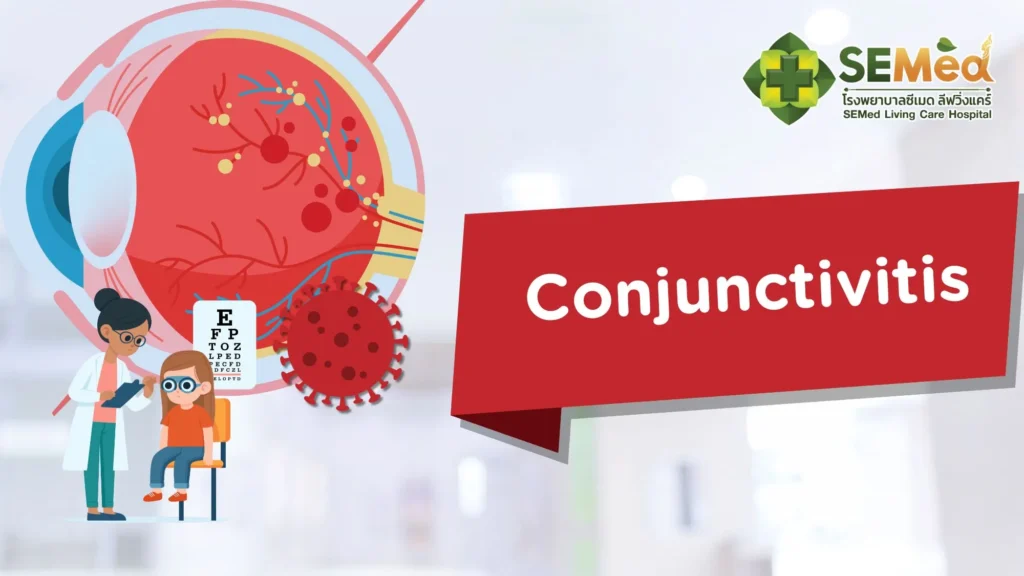
Conjunctivitis in Children: Causes, Symptoms, and Treatment Conjunctivitis, commonly known as pink eye, is a frequent issue in children and can be caused by several factors such as viral infections, bacterial infections, or allergies. Although this condition is usually not serious, if left untreated, it can lead to complications and, in some cases, vision loss. Understanding conjunctivitis can help parents and caregivers prevent and manage the condition more effectively. Causes of Conjunctivitis in Children Viral InfectionsViral infections are the most common cause, especially in schools or daycare centers. The most common virus is the Adenovirus, which spreads easily through direct contact or airborne droplets. Bacterial InfectionsCommon bacteria involved include Staphylococcus aureus and Streptococcus pneumoniae. The symptoms are often more severe than viral conjunctivitis, with yellow or thick discharge from the eyes. Allergic ReactionsAllergens such as dust, pollen, pet dander, or chemicals in cleaning products can cause irritation and inflammation of the eye tissues. Foreign Objects and Environmental IrritantsExposure to chlorine in swimming pools, smoke, or chemicals can cause redness and irritation in the eyes. Symptoms of Conjunctivitis in Children The symptoms of conjunctivitis may vary depending on the cause, but generally include: Red or pinkish eyes Excessive tearing Itching or a feeling of irritation in the eyes Yellow or green discharge (in case of bacterial infection) Swelling of the eyelids Fever or cold-like symptoms (in viral cases) Sensitivity to light or burning sensation in bright light Diagnosis of Conjunctivitis in Children Doctors usually diagnose conjunctivitis based on physical examination and history, focusing on: Symptom HistoryThe doctor will ask when the symptoms started, under what circumstances, and if there are any related factors, such as contact with an allergic trigger or a person with conjunctivitis. Physical ExaminationThe doctor will use a flashlight to examine the eye’s tissues and cornea. Laboratory TestsIf bacterial or viral infection is suspected, the doctor may take a sample of discharge or tears for laboratory testing. Additional Tests (in some cases)If there are complications, the doctor may use special tools, such as a Slit Lamp, to examine the eye in more detail. Treatment for Conjunctivitis in Children Treatment Based on the Cause: Viral Infection: No antibiotics are needed as symptoms usually improve on their own within 7-10 days. Supportive care such as artificial tears and cold compresses can help alleviate symptoms. Bacterial Infection: Antibiotics, such as eye drops or ointments, are prescribed. Symptoms usually improve within 2-3 days of starting medication. Allergic Conjunctivitis: Antihistamines or steroid eye drops may be used, under a doctor’s supervision. Home Care: Wash hands frequently to prevent spreading the infection. Avoid rubbing the eyes. Use a clean, warm cloth to gently wipe away eye discharge 2-3 times a day. Avoid complications: If symptoms are severe, such as decreased vision, severe pain, or if symptoms do not improve after treatment, consult a doctor immediately. Prevention of Conjunctivitis Personal Hygiene: Teach children to wash their hands frequently with soap and water. Avoid rubbing eyes. Environmental Management: Clean toys and objects that children frequently touch. Avoid being in places where someone with conjunctivitis is present. Care in Schools and Daycare: If a child has conjunctivitis, they should be kept home from school until they recover to reduce the risk of spreading the infection. Inform staff to clean areas where the infection might have spread. Conjunctivitis in children is a condition that requires careful attention. Although it is usually not life-threatening, if not treated properly, it can lead to complications that affect eye health. Understanding the causes, symptoms, diagnosis, and proper treatment, as well as effective prevention, can help keep children’s eyes healthy and reduce the spread of the disease in the community. We are committed to providing academic and professional health information support to workplaces, covering a wide range of topics in general health and occupational medicine. Our team offers expert health consultations, delivering caring, prompt, and efficient services to ensure customer satisfaction and maximum benefit. Whenever it’s time for a health check-up, think of SEMed Living Care Hospital. We never stop improving because your long-term health is our priority. TEL.: 0-2199-2111 To 161 Marketing DepartmentOr 081-358-6493 (Mr.Aon), 086-368-5317 (Mr.ICE)Email: [email protected]: @semedFacebook: SEMed living care hospital
Cholera: Symptoms, Causes, Prevention, and Treatment
Cholera: Causes, Symptoms, Prevention, and Treatment Cholera is a bacterial infection of the digestive system caused by the bacterium Vibrio cholerae. This disease is commonly contracted through the consumption of contaminated food or water, especially in areas with poor sanitation and lack of clean drinking water. Cholera can spread rapidly and cause serious harm to people’s health. Today, let’s learn more about this disease, how dangerous it can be, and how we can prevent it. Symptoms of Cholera Severe diarrhea that is watery, resembling rice water Nausea and vomiting Abdominal pain, with watery stool Dehydration, which may lead to fatigue, dry skin, and cramps In severe cases, low blood pressure and shock, which can lead to death if not treated immediately How Cholera Spreads Cholera is mainly spread through: Contaminated Water: Drinking or using untreated water Contaminated Food: Undercooked food or food contaminated during preparation Direct Contact: Contact with an infected person or contaminated objects Prevention of Cholera Preventing cholera can be achieved through the following methods: Maintain cleanliness: Wash hands with soap and clean water after using the bathroom and before eating Consume safe water: Drink only filtered or boiled water Consume safe food: Cook food thoroughly and store it under proper conditions Vaccination: In high-risk areas, cholera vaccination may be a suitable preventive measure Treatment of Cholera If infected with cholera, immediate treatment is crucial. Treatment typically includes: Rehydration: Drinking oral rehydration salts (ORS) or administering IV fluids for severe cases Antibiotics: Used when necessary to eliminate the bacterial infection Monitoring: Regularly checking the patient’s response to treatment and preventing complications Cholera is a significant public health issue in many areas around the world. Proper prevention and timely treatment are crucial in reducing the risks and impacts of this disease. Raising community awareness about hygiene and safe food consumption will help effectively reduce the spread of cholera. We are committed to providing academic and professional health information support to workplaces, covering a wide range of topics in general health and occupational medicine. Our team offers expert health consultations, delivering caring, prompt, and efficient services to ensure customer satisfaction and maximum benefit. Whenever it’s time for a health check-up, think of SEMed Living Care Hospital. We never stop improving because your long-term health is our priority. TEL.: 0-2199-2111 To 161 Marketing DepartmentOr 081-358-6493 (Mr.Aon), 086-368-5317 (Mr.ICE)Email: [email protected]: @semedFacebook: SEMed living care hospital
