
Occupational Vision Test
Occupational Vision Test
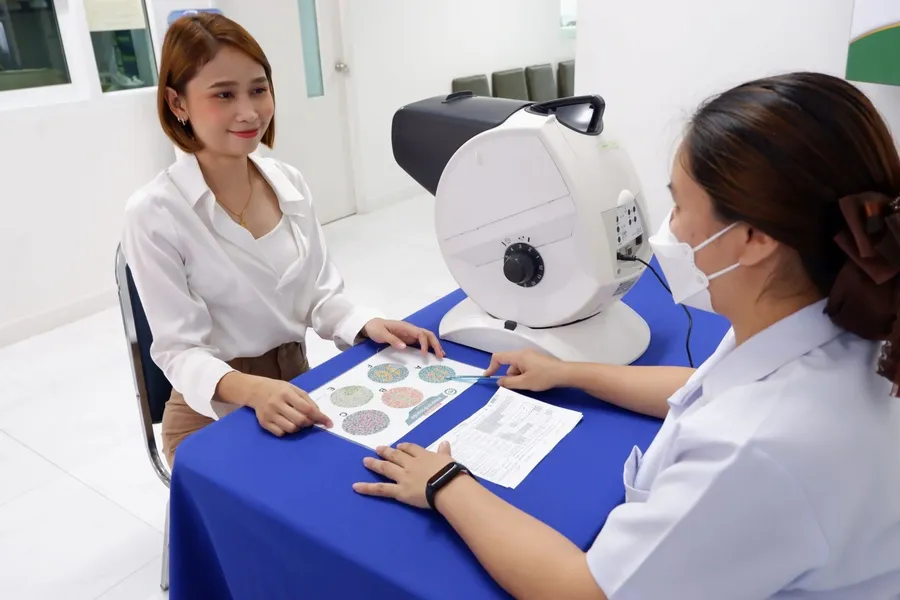
An assessment of an employee's vision capability related to their work duties, ensuring adequate visual capacity for safe and effective job performance
Benefits of This Test
- Improve workplace safety by confirming vision is adequate for precision work and hazard detection
- Improve work efficiency — better vision means fewer errors and higher productivity
- Prevent disease by detecting vision problems caused by workplace conditions such as screens, poor lighting, or chemical exposure
- Meet legal requirements for occupations requiring regular vision testing
- Inform improvements to workplace lighting, equipment, and protective measures
- Proactive employee care — helps employees learn about their own vision issues and seek treatment promptly
Testing Procedure
1. Near and Far Vision
Tested using a standard Snellen chart and near-vision assessment
2. Binocular Vision
Assesses coordination between both eyes and depth perception
3. Color Vision
Tested using Ishihara plates
4. Visual Field
Assesses peripheral vision
5. Eye Muscle Function
Checks for strabismus or phoria

Tips for the occupational vision test
- Tell staff about your job duties and department so they can select the right test for your role
- Answer staff based on the images you see in the test equipment
- On the day of your checkup, your eyes should not be impaired in a way that hinders vision, e.g. eye pain, redness, or eye strain from work
- If you wear glasses or contact lenses for work, please bring them to the test