
Hearing Test
Screening Audiometry
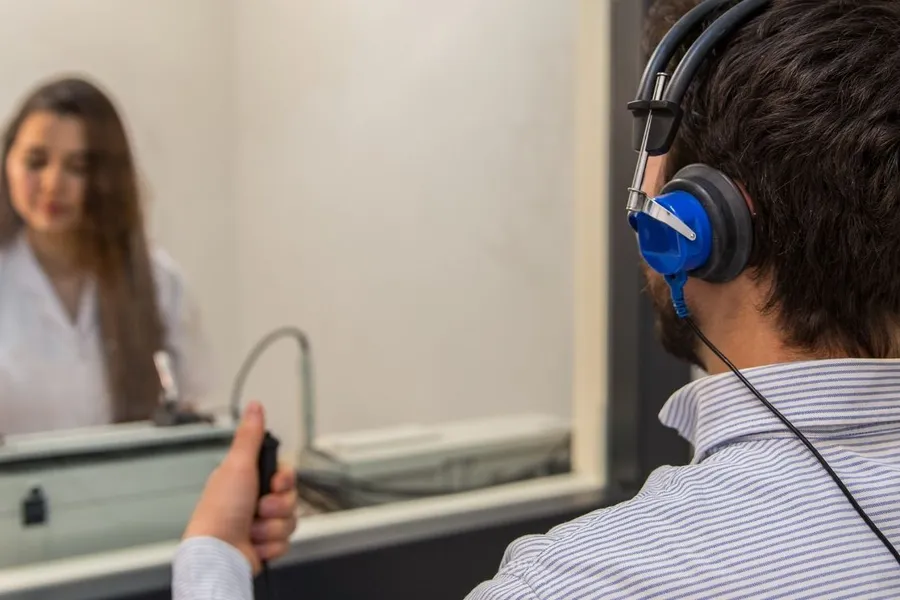
An assessment of your ability to hear sounds across various frequencies and volume levels, identifying whether hearing abnormalities exist, their severity, and possible causes
Benefits of This Test
- Detect hearing abnormalities early in children, adults, and the elderly
- Distinguish conductive from sensorineural hearing loss to guide treatment
- Assess severity — mild, moderate, severe, or profound
- Monitor hearing changes for those in treatment or exposed to loud environments
- Help prevent factors that worsen hearing
- Support communication, social engagement, and daily safety
Testing Procedure
1. Registration
Confirm your name with staff and report any colds or ear congestion
2. Headphones
Wear the headphones snugly — red for the right ear, blue for the left
3. Sound Presentation
The technician gradually decreases the sound level to find the softest audible threshold
4. Response
Press the button every time you hear a sound, even a faint one
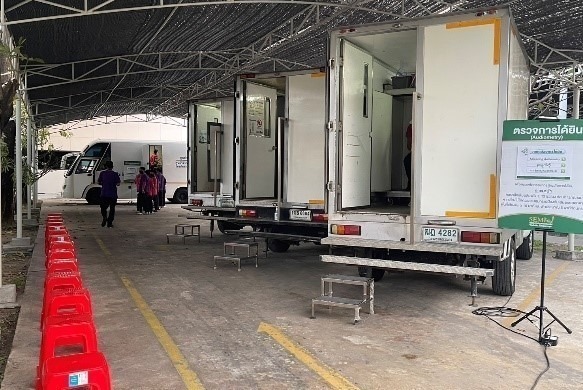
Tips for the hearing screening
- Avoid loud noise for at least 12 hours before the test. If unavoidable, wear hearing protection or leave the noisy area for at least 15 minutes before the test
- Tell staff about any hearing problems
- If you feel unwell, have a cold, or have ringing ears, tell staff, as these can affect your results
- Wear the headphones snugly. Staff will play a tone and gradually lower the volume to find the softest level you can hear — press the response button every time you hear a tone, even if very faint