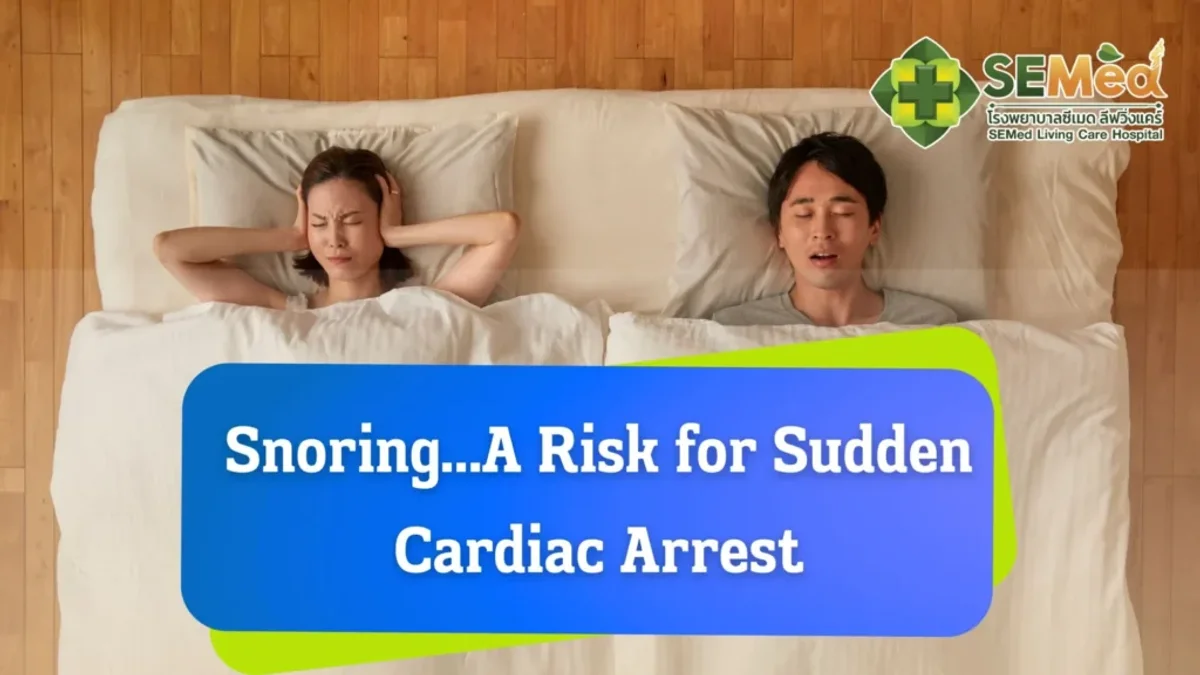
Risk of Death! Regular Snoring as a Sign of Serious Illness
Many people are not fond of those who snore in their sleep — it disturbs everyone's rest, and the noise can be quite loud. But looking deeper, snoring can actually pose a life-threatening risk. You may have already heard about sleep apnea, another frightening condition. Today SEMed brings you an article about snoring so everyone can better understand just how risky this seemingly simple habit can be.
What Is Snoring?
Snoring is a condition that occurs when the tissues in the throat vibrate during inhalation and exhalation while sleeping. The snoring sound is usually caused by narrowing of the upper airway, making it harder for air to flow through. This condition can occur in people of any gender or age, but is most common in men and those who are overweight.
Causes of Snoring
- Body structure: People with an unusually large uvula or tongue are more likely to snore
- Excess weight: Fat accumulation around the neck narrows the airway and presses on the trachea, causing snoring
- Increasing age: As we age, the muscles in the throat and tongue lose their elasticity, making airway obstruction more likely
- Sleeping habits: Sleeping on your back increases the chance that the throat tissues and tongue will block the airway
- Alcohol consumption and certain medications: Alcohol and sedative drugs relax the muscles and increase the risk of airway obstruction
- Underlying conditions: Allergies, sinusitis, and other upper respiratory conditions may narrow the airway and lead to snoring
The Link Between Snoring and Cardiac Arrest
Snoring may be more than just a nighttime nuisance — it can also be a warning sign of Obstructive Sleep Apnea (OSA), a condition involving temporary pauses in breathing during sleep. This occurs due to a brief obstruction of the airway, and when breathing stops, the heart's function is directly affected. If left untreated for a long time, it can even be fatal.
Cardiovascular Effects Linked to Snoring
- High blood pressure: Breathing pauses during sleep deprive the body of oxygen, activating the Sympathetic Nervous System, which constricts blood vessels and raises blood pressure
- Cardiac arrhythmia: Interrupted oxygen supply disrupts the heart's function, causing irregular heartbeats — too fast or too slow — which may lead to a heart attack
- Heart failure: People with OSA have an increased risk of heart failure, as the heart must work harder to pump blood throughout the body
- Stroke: Sleep apnea increases the risk of stroke, as blood oxygen levels drop below normal
How Do You Know if Your Snoring Puts You at Risk of Cardiac Arrest?
If you experience any of the following symptoms, you should see a doctor for a diagnosis:
- Loud, continuous snoring
- Temporary pauses in breathing during sleep (often noticed by someone close to you)
- Waking up feeling breathless or gasping for air
- Excessive daytime sleepiness
- Headaches after waking up
- Insomnia or frequent waking during the night
Prevention and Treatment
- Lifestyle changes: Lose weight, avoid alcohol and sedatives before bed, and switch from sleeping on your back to sleeping on your side
- Using assistive devices: Use a CPAP (Continuous Positive Airway Pressure) machine, which increases air pressure to keep the airway open at all times
- Treating related conditions: Treating allergies, sinusitis, and other upper respiratory conditions can help reduce snoring
- Surgery: In cases with an abnormal airway structure, such as an elongated uvula or a narrow nasal passage, a doctor may recommend surgery to widen the airway
Snoring may seem like a small, harmless issue, but in reality it can be a warning sign of a condition that puts you at risk of cardiac arrest. Recognizing and monitoring for sleep apnea is important, because allowing this condition to persist increases the risk of heart disease, high blood pressure, arrhythmia, and stroke. Lifestyle changes, the use of breathing devices, or surgery may help reduce the risk and promote better sleep health. If you have symptoms suggesting you may have this condition, you should see a doctor promptly for proper examination and treatment.
For more information, please contact us
Tel.: 0-2199-2111 ext. 161, Marketing Department
or 081-358-6493 (Khun On), 086-368-5317 (Khun Ice)
Email: [email protected]
LINE: @semed
Facebook: SEMed living care hospital