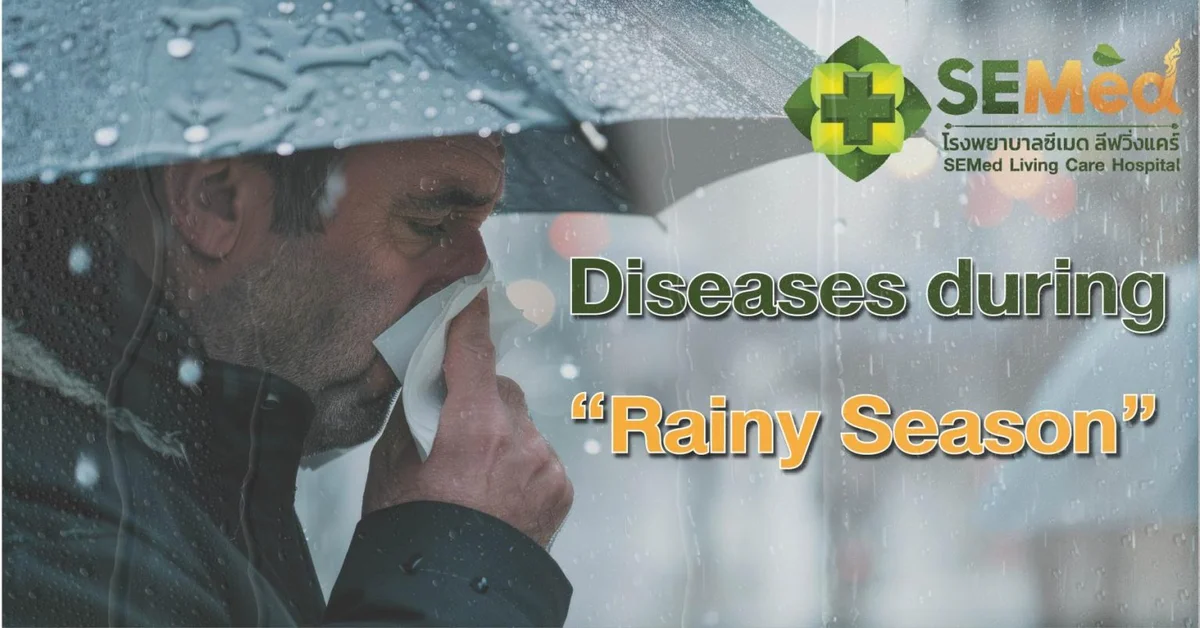
Diseases Common in the Rainy Season
Rainy weather can affect more than just your mood — besides watching out for fluctuating emotions, the high humidity and steadily dropping temperatures during this season are also a cause of many diseases, with hundreds of thousands of patients affected each year. What diseases should you watch out for? Find the answers here.
The commonly found group of infectious gastrointestinal diseases arises from eating food contaminated with microorganisms that cause disease in the gastrointestinal tract and intestines, including dysentery, typhoid fever, and food poisoning
Symptoms – Diarrhea, watery stools, possible fever, abdominal cramps, and if infected with dysentery, there may be mucus or blood mixed in the stool Recommendation – Eat food that is freshly cooked, use serving spoons, and wash your hands
The commonly found group of respiratory diseases, which currently includes the outbreak of the new influenza A strain H3N2 and avian influenza, which spreads from poultry. The virus may recombine with human influenza strains circulating during the rainy season outbreak period
Symptoms – High fever, muscle aches, runny nose, and cough. A complication commonly found in at-risk patient groups is pneumonia Recommendation – Wear a face mask, wash your hands frequently
The group of diseases transmitted through wounds or mucous membranes is commonly found in dogs or farm animals, such as pigs, cattle, and buffalo, as well as rodents. Those at risk of infection include farmers, livestock farm workers, freshwater fishermen, drainage pipe excavation workers, and those who wade through flooded water for long periods, among others
Symptoms – Sudden high fever, headache, usually severe pain in the calf and thigh muscles, red eyes. Approximately 5–10% of patients with this disease may have severe symptoms, such as jaundice, kidney failure, or shock Recommendation – Do not wade through standing water, wear boots
The group of diseases transmitted by mosquitoes, with the Aedes mosquito as the vector, over 80% of which are Aedes mosquitoes found in homes, laying eggs in stagnant water in various places. There is also Japanese Encephalitis and malaria to watch out for
Symptoms – In the early stage, patients have symptoms similar to a general viral infection, including fever and body aches, and may have severe bone pain. The fever lasts about 2–7 days, after which it subsides, accompanied by abnormal bleeding, and cold hands and feet or shock may occur
Recommendation – Apply mosquito repellent, stay away from areas with many mosquitoes, eliminate breeding sites In addition, if dirty water splashes into the eyes, it may cause conjunctivitis or eye inflammation, and soaking in dirty water for a long time is also a cause of athlete's foot caused by fungal infection
As the rains begin and symptoms of illness start to appear, if you need to take fever-reducing medication, it is best to consult a doctor. Never take aspirin, as it is dangerous with certain diseases — namely dengue fever, influenza, and leptospirosis — which can be severely dangerous, even fatal.