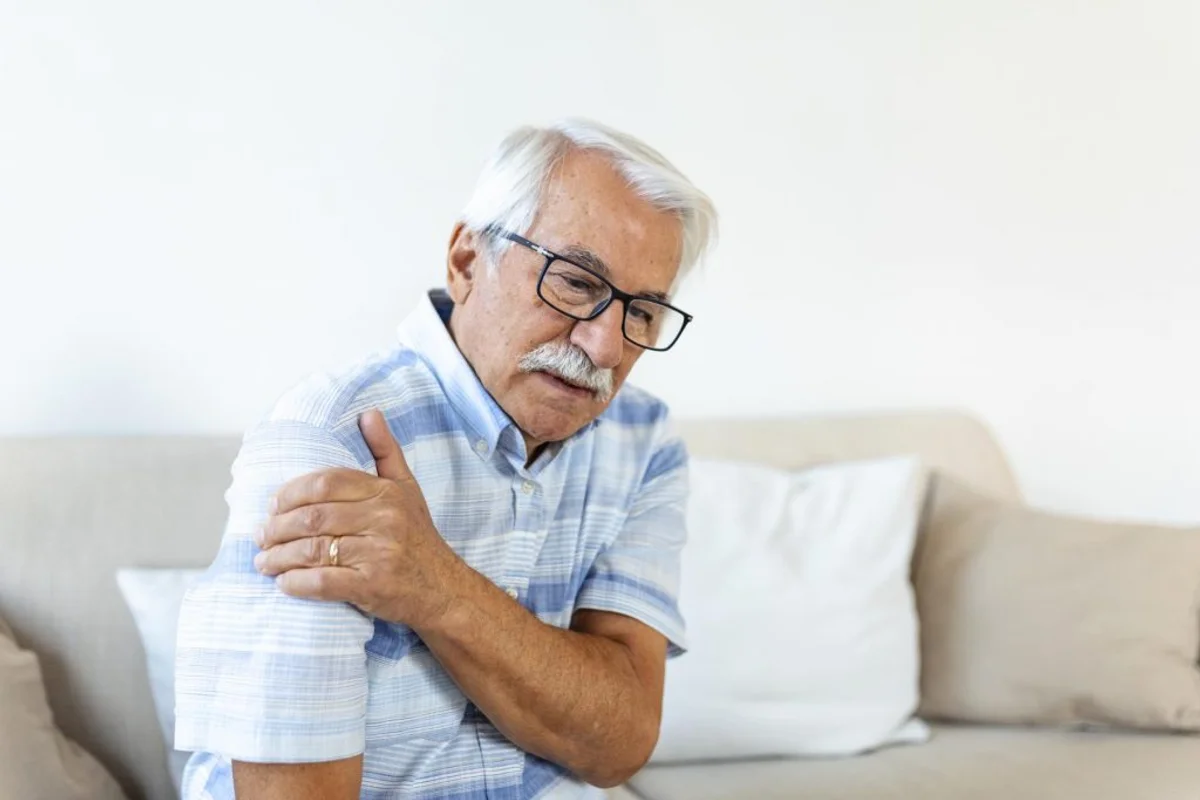
Osteoporosis: Understanding, Prevention, and Treatment
Osteoporosis is a condition in which bone density decreases, making bones weaker and more prone to fractures. This disease is commonly found in older adults, especially in women after menopause. Although it has no clear symptoms in its early stages, early detection and treatment can help reduce the risk and its impact.
Causes and risk factors
Osteoporosis occurs when bone mass is lost faster than the body can rebuild it. Key risk factors include:
- Age: bone density decreases as we grow older
- Sex: women are more likely to develop osteoporosis than men
- Hormones: declining estrogen levels in women and testosterone levels in men
- Calcium deficiency: insufficient calcium intake weakens the bones
- Family history: having a family member with osteoporosis increases your risk of developing the condition
- Lifestyle behaviors: smoking, drinking alcohol, lack of exercise, and insufficient intake of calcium and vitamin D
Symptoms of osteoporosis
Osteoporosis usually has no clear symptoms in its early stages, but as the condition worsens, the following symptoms may occur:
- Back pain from a fractured or collapsed vertebra
- Loss of height due to vertebral collapse
- Bones that fracture more easily than normal, especially at the hip, wrist, or spine
Diagnosis
Osteoporosis can be diagnosed through a Bone Mineral Density Test, also known as a DXA scan, which is a painless test that does not take long.
Prevention and treatment
Although osteoporosis cannot be completely cured, it can be prevented and controlled as follows:
- Diet: consume foods rich in calcium and vitamin D, such as milk, salmon, leafy green vegetables, and eggs
- Exercise: engage in low-impact exercise such as walking, running, or weight training to strengthen the bones
- Behavioral changes: avoid smoking and drinking alcohol
- Medication: use medications that help increase bone density as recommended by your doctor
Conclusion
Osteoporosis is a condition that requires ongoing attention and care. Prevention and early treatment can help reduce the risk of fractures and support a good quality of life. If you have risk factors for or concerns about osteoporosis, you should consult a doctor for proper advice and care.