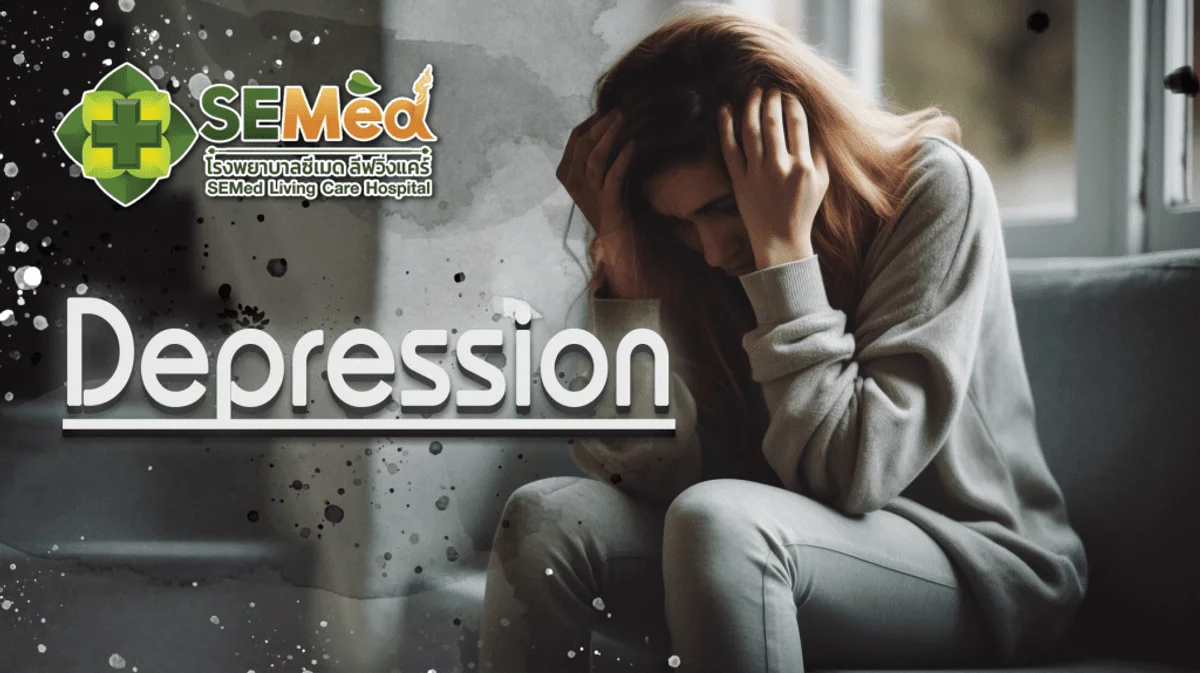
Depression: A Silent Threat You Should Know and How to Cope
Over the past several years, news reports involving suicide caused by depression have become increasingly common. This illness can happen to anyone, arising from various environmental factors or biological problems in the body that cause the brain's emotional regions to function abnormally, producing negative emotions and outlooks. The good news is that depression is a treatable illness that can be fully cured with medication and psychological treatment. Those around the patient should keep an open mind and try to find ways to help without adding to the patient's burden — showing empathy and not judging the patient based on their own perspective. Today, we will get to know more about the background of depression from various angles, which will be useful for staying vigilant and finding ways to prevent it or seek prompt treatment.
Depression is an illness that can arise from a combination of various factors, such as
- Genetic factors — depression is found at a higher rate among relatives of patients with depression, suicide, or substance addiction
- Various physical illnesses that directly affect the brain, such as thyroid abnormalities and other hormonal disorders, especially female hormones, and chronic illnesses that affect mental health, such as disabilities requiring dependence on
others, chronic pain conditions, cancer, and autoimmune diseases, among others
- Certain medications that interfere with the brain, or various addictive substances
In addition, there are psychosocial factors and basic personality traits, such as high expectations, self-pressure, viewing oneself negatively, being pessimistic, keeping problems bottled up without consulting anyone, and relying on others for one's sense of self-worth, among others.
Patients with depression display symptoms in many different forms, typically feeling despondent, crying easily, feeling weary, and lacking mental brightness. These symptoms appear almost continuously, nearly every day, for more than 2 weeks. In some cases, there may also be thoughts of wanting to die or of suicide. The clearly observable symptoms include feeling sad or anxious, being irritable and quick to anger all the time, and appearing unhappy. In terms of thinking, there are negative thoughts, pessimism, hopelessness, and lack of motivation. In terms of behavior, there is fatigue and lack of energy to do anything, declining work performance, and lack of concentration. Physically, there is insomnia — if woken in the middle of the night, being unable to fall back asleep — and abnormal weight loss or gain. This results in impaired daily functioning, reduced effectiveness in studies and work, and interpersonal problems arising from the person seeming to have become almost a different person.
Depression is a treatable illness, with two main treatment methods:
- Psychological treatment and medication treatment, where each person may respond differently to each type of treatment and both can be used together. Advances in medicine and pharmacy have made today's depression medications highly effective with fewer side effects, and they are not harmful to the liver or kidneys, nor do they cause addiction
- Seeing a psychiatrist — patients can see a psychiatrist themselves to have their symptoms analyzed and receive counseling. Those close to the patient are also an important part of the process and must understand and continually encourage the patient without adding to their burden, or viewing the symptoms the patient displays as something the patient is imagining or creating themselves, including through words or behaviors that undermine the patient's morale. In truth, there is no one who does not wish for a peaceful life, and once the patient receives treatment and their mental state recovers, they will regain confidence and hope and be able to live and take care of themselves again.
Source: King Chulalongkorn Memorial Hospital, Thai Red Cross Society