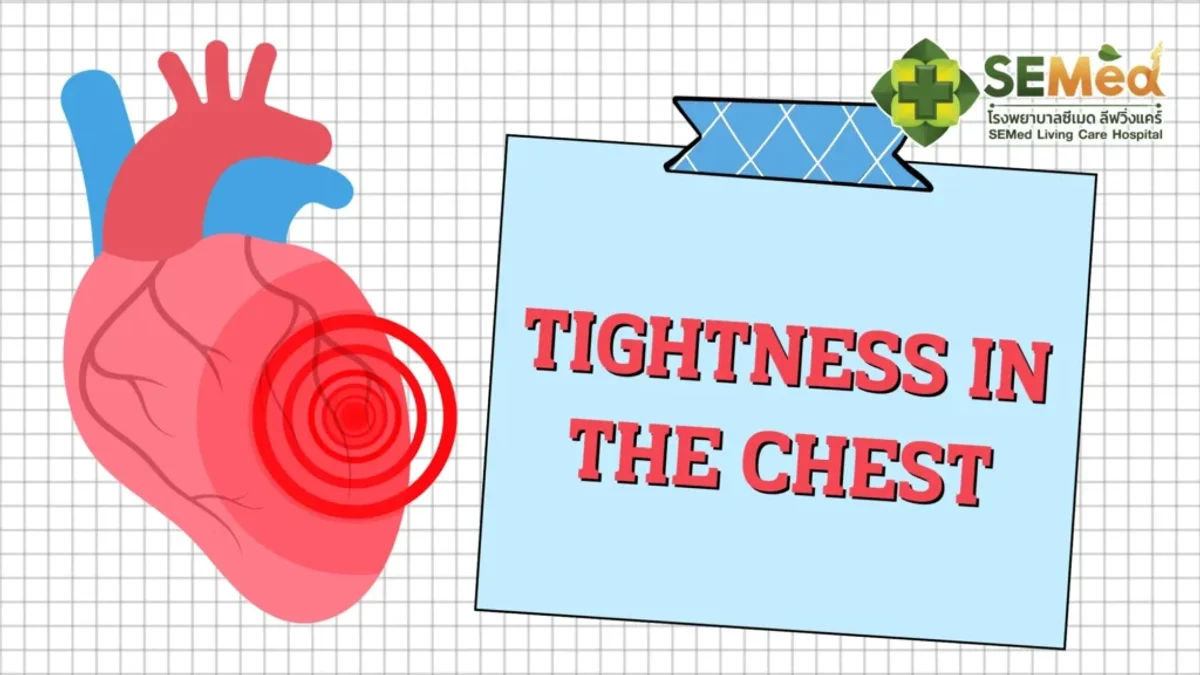
Check Immediately! Which Type of Chest Tightness Is Dangerous?
Chest tightness is a warning sign that can arise from many causes, ranging from minor issues to conditions requiring urgent treatment. Being able to tell which types of chest tightness are dangerous is important, so you can better care for yourself or those around you, or avoid activities that trigger the symptom.
1. Characteristics of Dangerous Chest Tightness
• Sudden and severe chest tightness
If you feel severe chest pain, a sensation of heavy pressure, or a tight squeezing feeling in the center of the chest, this may be related to an acute heart attack, which requires immediate treatment.
• Chest tightness that radiates to other areas
If chest tightness radiates to the jaw, shoulder, arm, or back — especially on the left side — it may indicate a problem with the coronary arteries or coronary artery blockage.
• Chest tightness accompanied by other symptoms
Such as difficulty breathing, lightheadedness, dizziness, excessive sweating, or nausea — these symptoms may indicate heart failure or other conditions related to the cardiovascular system.
• Chest tightness after exertion or stress
If the symptom occurs after exertion, such as running or lifting heavy objects, or is caused by stress, it may be a sign of angina.
2. Other Causes of Chest Tightness to Watch For
Besides heart disease, chest tightness can also arise from other causes, as many different conditions are associated with this symptom.
- Lung disease
Such as pulmonary embolism or pneumothorax, which often present with sudden chest tightness and difficulty breathing - Stomach and esophageal disorders
Such as GERD (acid reflux) or esophagitis, which can cause chest tightness resembling heart disease symptoms - Muscle or bone abnormalities
Such as injury to the chest muscles or ribs, where symptoms typically occur with movement or pressure on the affected area
3. Basic Self-Care
- Rest and breathe deeply
If the symptom is not severe, try resting in a well-ventilated area and breathe carefully, taking deep breaths in and out to increase oxygen intake to the lungs and help your body feel better - Take medication
If you have a history of coronary artery disease and your doctor has prescribed medication such as Nitroglycerin, take it only according to your doctor's instructions — never self-medicate - Seek medical attention promptly
If symptoms do not improve or match the characteristics described above, go to the hospital immediately — do not take the situation lightly
4. Emergency Signs That Require Calling 1669 Immediately
- Chest pain or tightness lasting longer than 10 minutes
- Feeling unable to breathe or unusually easily fatigued
- Lightheadedness leading to fainting or loss of consciousness
- Chest tightness accompanied by neurological symptoms such as seizures or slurred speech
Chest tightness can be a warning sign of a serious health condition, especially when accompanied by symptoms suggesting a heart or lung problem. Do not ignore these warning signs. If you or someone around you experiences these symptoms, consult a doctor or call for help immediately. Paying attention to your health and responding quickly can save your life in time. The mortality rate from chest tightness-related conditions is steadily rising, closely tied to significant lifestyle factors, some of which involve stress as well.
We are ready to provide academic health information to workplaces, covering topics in both general health and occupational medicine, offering health consultations and attentive, prompt, and efficient service so that every customer is satisfied and gains the greatest benefit.
Whenever you think of a health check-up.. think of SEMed Living Care Hospital. We never stop working towards sustainable good health.
For more information
Tel.: 0-2199-2111 ext. 161, Marketing Department
or 081-358-6493 (Khun On), 086-368-5317 (Khun Ice)
Email: [email protected]
LINE: @semed
Facebook: SEMed living care hospital