
“Allergies” A Common Condition Many Overlook

Allergies are a common health issue that many people face, especially those living in urban areas where air pollution and environmental changes are prevalent. While not typically life-threatening, allergies can significantly affect your quality of life if not managed properly. What Are Allergies? An allergy occurs when your immune system reacts to a harmless substance, known as an allergen, as if it were dangerous. Common allergens include dust, pet dander, pollen, certain foods, and even medications. Symptoms can vary depending on the type of allergen and your genetic makeup. Types of Allergies Respiratory Allergies Symptoms: Runny nose, nasal congestion, sneezing, or itchy nose Common triggers: Dust mites, pollen, mold Skin Allergies Symptoms: Itchy skin, redness, rashes, or flaky skin Common triggers: Chemicals in cleaning products or metals like nickel Food Allergies Symptoms: Nausea, diarrhea, or rashes after eating certain foods Common triggers: Milk, eggs, nuts, shellfish Insect Sting Allergies Symptoms: Localized swelling, itching, or severe reactions like difficulty breathing or shock How to Prevent and Manage Allergies Avoid Allergens Keep your home clean and free of dust Use air purifiers indoors Avoid foods or substances that have caused allergic reactions before Boost Your Immune System Eat a healthy diet rich in vegetables, fruits, and vitamin C Exercise regularly Seek Medical Advice Get a proper diagnosis and treatment plan from a doctor Allergies in Children and Why Early Care Matters Allergies are often seen in young children, such as food allergies or skin allergies. Early detection and care are crucial as allergies in childhood can impact growth and daily life. Although allergies are a common health issue, they can be managed and prevented with proper care. Avoiding allergens, maintaining a healthy lifestyle, and seeking medical advice when needed are key to living a quality life without the burden of allergies. If symptoms become severe, consult a doctor promptly for appropriate treatment and guidance. We are committed to providing academic and professional health information support to workplaces, covering a wide range of topics in general health and occupational medicine. Our team offers expert health consultations, delivering caring, prompt, and efficient services to ensure customer satisfaction and maximum benefit. Whenever it’s time for a health check-up, think of SEMed Living Care Hospital. We never stop improving because your long-term health is our priority. TEL.: 0-2199-2111 To 161 Marketing DepartmentOr 081-358-6493 (Mr.Aon), 086-368-5317 (Mr.ICE)Email: [email protected]: @semedFacebook: SEMed living care hospital
Heat Stroke! A Dangerous Condition You Can Prevent!
Heat Stroke, also known as “โรคลมแดด” in Thai, happens when your body gets too hot and can’t cool itself down. This often occurs in extremely hot weather or after heavy exercise in the heat. If not treated quickly, Heat Stroke can cause serious problems or even death. What Causes Heat Stroke? Hot Weather: When it’s too hot outside, your body struggles to cool down. Hard Exercise: Doing intense activities, like running a marathon, in hot and humid weather. Dehydration: Not drinking enough water while sweating a lot makes your body lose balance. Poor Ventilation: Staying in places like a parked car or a room without air circulation. Signs of Heat Stroke Body temperature over 40 °C (104 °F). Hot, dry skin with little or no sweat (sometimes sweating may still occur). Fast breathing and heart rate. Headache, dizziness, or feeling sick. Confusion, fainting, or seizures. Who’s at Risk? Elderly people. Kids under 5 years old. Those not getting enough rest. Heavy drinkers of alcohol. Workers in hot, humid conditions. People with health issues like high blood pressure, diabetes, or heart disease. Athletes or outdoor workers in the sun without proper preparation. How to Prevent Heat Stroke Drink plenty of water: Especially when it’s hot or you’re active. Avoid outdoor activities during peak heat hours: Like 11 AM to 3 PM. Wear light and loose clothes: Clothes that allow air to flow. Use ways to stay cool: Like fans, air conditioning, or cool showers. Never leave kids or pets in a car: Even for a short time. What to Do If Someone Has Heat Stroke Move them to a cool place: Shade or air conditioning is best. Cool their body down quickly: Use a wet cloth or spray cool water on them. Give them water to drink: Only if they are awake and alert. Call for medical help: If they don’t get better or lose consciousness. Heat Stroke is serious, but it can be prevented. Be careful during hot weather and take steps to stay cool and hydrated. If you notice symptoms in yourself or others, act quickly and get medical help if needed. Protect yourself and your loved ones from the dangers of heat! We are committed to providing academic and professional health information support to workplaces, covering a wide range of topics in general health and occupational medicine. Our team offers expert health consultations, delivering caring, prompt, and efficient services to ensure customer satisfaction and maximum benefit. Whenever it’s time for a health check-up, think of SEMed Living Care Hospital. We never stop improving because your long-term health is our priority. TEL.: 0-2199-2111 To 161 Marketing DepartmentOr 081-358-6493 (Mr.Aon), 086-368-5317 (Mr.ICE)Email: [email protected]: @semedFacebook: SEMed living care hospital
Influenza: Know it Before It’s Too Late! A Dangerous Threat to Life
Influenza, commonly known as the flu, is an acute respiratory infection caused by the influenza virus, which belongs to the Orthomyxoviridae family. This disease can spread rapidly and impact both individuals and public health on a global scale. Influenza outbreaks are most common during colder seasons, like winter or rainy seasons. It is often confused with the common cold due to similar symptoms. However, influenza is more severe and can lead to serious complications. Causes and Transmission Influenza is caused by the influenza virus, which has three main types: A, B, and C. Types A and B are the most medically significant as they can cause widespread outbreaks, while type C usually causes mild illness in humans. Type A Influenza Virus Found in humans, birds, and mammals Undergoes constant mutation, leading to global pandemics like H1N1 or H5N1 Type B Influenza Virus Found only in humans Typically causes seasonal outbreaks Type C Influenza Virus Causes mild illness in humans The virus spreads through droplets released when an infected person coughs, sneezes, or talks. It can also spread by touching surfaces contaminated with the virus and then touching the eyes, nose, or mouth. Symptoms Influenza symptoms appear 1-4 days after infection. Common symptoms include: Sudden high fever Chills and fatigue Headache and muscle aches Sore throat and dry cough Nasal congestion and runny nose Nausea and vomiting (more common in children) Certain groups, such as older adults, young children, pregnant women, and people with underlying health conditions (like heart disease, diabetes, or chronic lung disease), are at higher risk of developing severe symptoms or complications like pneumonia or respiratory failure. Diagnosis Influenza can be diagnosed through tests that detect the virus in nasal or throat secretions. Common diagnostic methods include: Rapid Influenza Diagnostic Test (RIDT): Provides results in 15-30 minutes but has lower sensitivity. Viral Culture: Takes several days but is more accurate. RT-PCR (Reverse Transcription Polymerase Chain Reaction): Highly sensitive and can identify the virus type with precision. Treatment Most cases of influenza resolve on their own within 7-10 days. However, for high-risk individuals, doctors may prescribe antiviral medications like Oseltamivir (Tamiflu) or Zanamivir to slow down the virus’s spread and reduce symptom severity. Home care recommendations for influenza patients: Get plenty of rest. Stay hydrated by drinking lots of fluids. Take fever-reducing medications like paracetamol (avoid aspirin in children). Avoid close contact with others to prevent the spread of infection. Prevention The most effective way to prevent influenza is getting a flu vaccine every year, as the virus constantly mutates. Other preventive measures include: Avoiding close contact with sick people. Washing hands frequently with soap and water or using alcohol-based hand sanitizers. Wearing face masks in crowded areas. Avoiding unnecessary contact with your face, especially your eyes, nose, and mouth. Complications Influenza can lead to several complications, such as: Pneumonia: The most common and life-threatening complication. Exacerbation of Chronic Diseases: Such as asthma, heart disease, or chronic lung disease. Ear Infection (Otitis Media): Frequently seen in young children. Encephalitis: A rare but severe inflammation of the brain. Influenza is a highly contagious disease that poses a significant threat to global health. Understanding its causes, symptoms, diagnosis, treatment, and prevention is essential. Adhering to hygiene measures and getting annual flu vaccinations can significantly reduce the risk of infection and its spread in communities. โรงพยาบาลซีเมด ลีฟวิ่งแคร์ ให้บริการตรวจสุขภาพก่อนเข้าทำงาน โรงพยาบาลซีเมด ลีฟวิ่งแคร์ (SEMed Living Care Hospital) ผู้ให้บริการตรวจสุขภาพด้านอาชีวเวชศาสตร์ครบวงจร ให้บริการตรวจสุขภาพก่อนเข้าทำงาน ตั้งแต่การตรวจสุขภาพตามปัจจัยเสี่ยงในการทำงาน บริการตรวจคลื่นไฟฟ้าหัวใจ และบริการตรวจสุขภาพนอกสถานที่แก่สถานประกอบการที่ครอบคลุมทุกพื้นที่ทั่วประเทศ ด้วยบุคลากรที่มีความรู้ความเชี่ยวชาญ อุปกรณ์และเครื่องมือทางการแพทย์ที่ได้มาตรฐาน นำเทคโนโลยีมาบริหารจัดการข้อมูล เพื่อความถูกต้องรวดเร็ว สามารถส่งผลการตรวจได้ตรงตามความต้องการของผู้รับบริการ ซึ่งสามารถดูผลตรวจสุขภาพผ่านระบบออนไลน์ได้ เราพร้อมให้การสนับสนุนข้อมูลทางวิชาการแก่สถานประกอบการ ให้หัวข้อต่างๆ ทั้งในด้านสุขภาพและด้านอาชีวเวชศาสตร์ ให้คำปรึกษาด้านสุขภาพ มอบบริการที่ใส่ใจ รวดเร็ว และมีประสิทธิภาพ เพื่อให้ลูกค้าทุกท่านพึงพอใจและได้ประโยชน์สูงสุด ตรวจสุขภาพครั้งใด.. นึกถึง โรงพยาบาลซีเมด ลีฟวิ่งแคร์ เราไม่เคยหยุดนิ่ง เพื่อสุขภาพที่ดีอย่างยั่งยืน สอบถามรายละเอียดเพิ่มเติม โทร.: 0-2199-2111 ต่อ 161 แผนกการตลาด หรือ 081-358-6493 (คุณอ้น), 086-368-5317 (คุณไอซ์) อีเมล: [email protected] LINE: @semed Facebook: SEMed living care hospital
Flu Symptoms Check: Know Early, Stay Safe
Influenza in Thailand: What You Need to Know Influenza, commonly known as the flu, is a contagious respiratory illness frequently seen in Thailand, particularly during the rainy and winter seasons. The highest number of cases usually occurs between June and October and again from January to March. According to the Department of Disease Control, more than 460,000 flu cases were reported in 2023. Timely testing and diagnosis are essential to prevent complications and reduce the spread of the virus within the community. Understanding Influenza Influenza is caused by the influenza virus, which primarily affects the respiratory system and is more severe than the common cold. There are three main types of influenza viruses: A, B, and C. Types A and B are responsible for widespread outbreaks. The incubation period is typically 1–3 days, and an infected individual can transmit the virus from one day before symptoms appear up to 5–7 days afterward. The virus spreads through droplets from coughing, sneezing, or close conversation, as well as by touching contaminated surfaces and then touching the eyes, nose, or mouth. This makes influenza highly transmissible in crowded settings. 7 High-Risk Groups for Influenza While influenza can affect anyone, the following groups are at higher risk of severe complications: Children aged 6 months to 2 years – Their immune systems are still developing, making them more vulnerable to complications like pneumonia and middle ear infections. Pregnant women – Pregnancy alters the immune system, increasing susceptibility to infection and complications that may affect both mother and baby. Individuals with obesity – Obesity affects both the immune and respiratory systems, raising the risk of severe respiratory issues. People with neurological disabilities – Those who cannot care for themselves or express symptoms clearly may experience delayed diagnosis and treatment. Immunocompromised individuals – Including those with HIV, cancer patients, or individuals on immunosuppressive medication. People with chronic diseases – Such as lung disease, heart disease, kidney disease, or diabetes, who are more prone to severe symptoms. Elderly aged 65 and above – Aging weakens the immune system, and underlying health conditions increase risk of complications. Key Symptoms of Influenza Flu symptoms appear suddenly and are typically more intense than those of the common cold. Common signs include: High fever (39–40°C) for several days, often with chills Severe headache Muscle aches, especially in the back and legs Fatigue and loss of appetite Dry cough and sore throat Runny or congested nose Some may experience nausea, vomiting, or diarrhea Can ATK Detect Influenza? ประเด็นที่หลายคนสงสัยคือการใช้ชุดตรวจ ATK สำหรับตรวจเชื้อไข้หวัดใหญ่ อันดับแรกต้องทำความเข้าก่อนใจว่า ชุดตรวจ ATK ถูกออกแบบมาเฉพาะสำหรับตรวจหาเชื้อ SARS-CoV-2 ที่ก่อให้เกิดโรคโควิด-19 เท่านั้น จึงไม่สามารถตรวจพบเชื้อไวรัสไข้หวัดใหญ่ได้ เนื่องจากเป็นเชื้อไวรัสคนละชนิดกัน มีโครงสร้างและคุณสมบัติแตกต่างกัน อธิบายถึงความเชื่อในการตรวจ ATK และไข้หวัดใหญ่ โควิด-19 และไข้หวัดใหญ่เกิดจากเชื้อไวรัสคนละชนิด ATK จึงตรวจไข้หวัดใหญ่ไม่ได้ Flu Testing at Hospitals While initial self-observation may suggest flu infection, accurate diagnosis requires medical testing at hospitals or qualified clinics. There are several testing methods: Viral Detection Tests – Nasal or throat swabs are collected and tested using RT-PCR or viral culture techniques. Antigen Tests – These detect viral proteins and provide faster results but are generally less accurate than RT-PCR. Antibody Tests – These identify antibodies the body has produced in response to the flu virus. Prompt and accurate flu testing is crucial for effective treatment and to prevent complications, particularly among high-risk individuals. If you or someone close to you shows symptoms, seek medical advice as early as possible. Receiving treatment within 48 hours of symptom onset can significantly reduce severity and prevent further issues. Additionally, regular health check-ups help detect underlying risks and support proactive healthcare planning. SEMED Living Care Hospital Influenza Vaccine Services SEMed Living Care Hospital offers comprehensive occupational health check-up services, including annual health screenings and pre-employment medical examinations. Our services cover health risk assessments based on job roles, electrocardiogram (ECG) testing, and nationwide on-site check-up services for organizations and businesses. All services are provided by experienced medical professionals using standardized, high-quality equipment and modern technology for accurate and efficient health data management. Results are delivered promptly and in accordance with client requirements. Patients can conveniently access their health check-up results through our secure online system. We are committed to providing academic and professional health information support to workplaces, covering a wide range of topics in general health and occupational medicine. Our team offers expert health consultations, delivering caring, prompt, and efficient services to ensure customer satisfaction and maximum benefit. Whenever it’s time for a health check-up, think of SEMed Living Care Hospital. We never stop improving because your long-term health is our priority. TEL.: 0-2199-2111 To 161 Marketing DepartmentOr 081-358-6493 (Mr.Aon), 086-368-5317 (Mr.ICE)Email: [email protected]: @semedFacebook: SEMed living care hospital
Urgent! Check yourself for signs of stomach cancer.
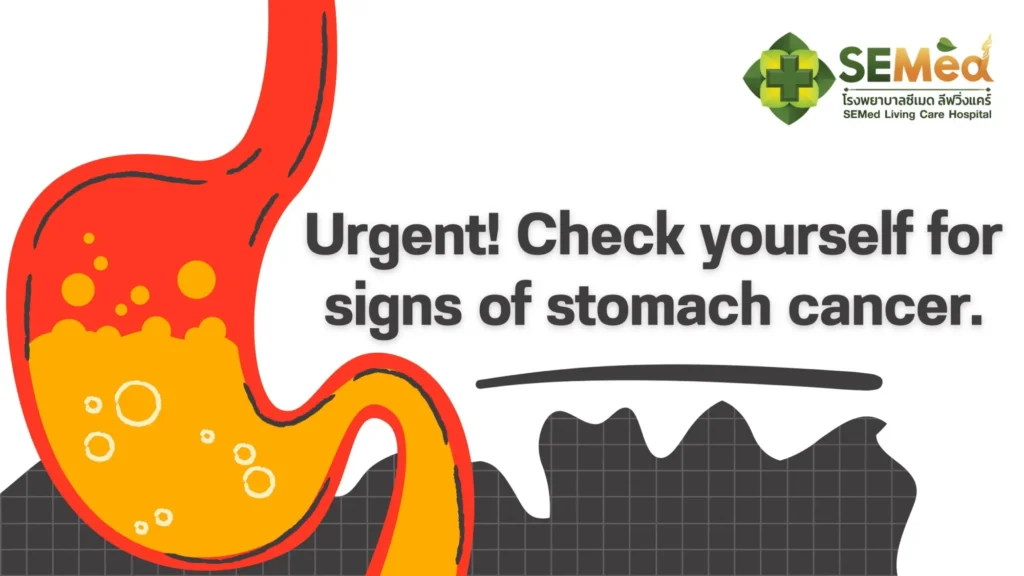
Stomach cancer is a disease where cells in the lining of the stomach grow abnormally and form a tumor. This cancer can spread to other parts of the body if not treated early. In the early stages, it’s hard to notice because there may be no clear symptoms. Causes and Risk Factors 1. Infection with H. pylori bacteria This type of bacteria can irritate the stomach lining, which might lead to cancer. 2. Unhealthy eating habits Eating too much salty, pickled, or smoked food increases the chance of getting stomach cancer. 3. Smoking and drinking alcohol Smoking and heavy alcohol consumption can increase the risk. 4. Family history If family members have had stomach cancer, your risk is higher. 5. Age and gender People over 50 and men are more likely to get stomach cancer. Symptoms of Stomach Cancer In the early stages, there may be no symptoms. As the cancer grows, symptoms might include: Pain or discomfort in the upper part of the stomach Feeling sick or vomiting Bloating after eating Loss of appetite or sudden weight loss Black or bloody stools Feeling weak or very tired How is Stomach Cancer Diagnosed? Doctors use several methods to check for stomach cancer, such as: Gastroscopy – A small camera is inserted into the stomach to check for unusual growths. A sample of tissue may be taken for testing. X-rays or CT scans – These imaging tests help doctors see if cancer has spread. Blood tests – Doctors may check for certain signs of cancer or H. pylori infection in the blood. How is Stomach Cancer Treated? Treatment depends on how advanced the cancer is and the patient’s health. Common treatments include: Surgery – Part or all of the stomach may be removed to get rid of the cancer. Chemotherapy – Powerful drugs are used to kill cancer cells or stop them from growing. Radiation therapy – High-energy rays are used to destroy cancer cells. Targeted therapy – Special drugs are used to attack specific cancer cells without harming normal cells. How Can You Prevent Stomach Cancer? While you can’t prevent stomach cancer completely, you can lower the risk by: Eating healthy foods – Eat fruits, vegetables, and foods high in fiber. Avoid too much salty, pickled, or smoked food. Avoiding smoking and drinking less alcohol – Quitting smoking and reducing alcohol intake can lower the risk. Keeping your stomach healthy – Avoid infections from H. pylori by eating clean, well-cooked food. Getting regular check-ups – Health checks and tests for H. pylori can help catch the disease early. Stomach cancer is a dangerous disease that’s hard to detect early. Knowing the risk factors and symptoms can help you stay aware. Healthy eating, avoiding smoking and alcohol, and getting regular check-ups can reduce the risk. If you notice any unusual symptoms, it’s important to see a doctor right away. Early detection can make treatment more successful. We are committed to providing academic and professional health information support to workplaces, covering a wide range of topics in general health and occupational medicine. Our team offers expert health consultations, delivering caring, prompt, and efficient services to ensure customer satisfaction and maximum benefit. Whenever it’s time for a health check-up, think of SEMed Living Care Hospital. We never stop improving because your long-term health is our priority. TEL.: 0-2199-2111 To 161 Marketing DepartmentOr 081-358-6493 (Mr.Aon), 086-368-5317 (Mr.ICE)Email: [email protected]: @semedFacebook: SEMed living care hospital
Early Signs of Dengue Fever & Timely Treatment
Dengue Fever: A Prevalent Disease in Thailand Dengue fever is a common illness in Thailand, especially during the rainy season when mosquito populations surge. This disease affects individuals across all age groups, making early detection and treatment crucial to prevent severe complications. What is Dengue Fever? Dengue fever is caused by the dengue virus, which has four serotypes: DENV-1, DENV-2, DENV-3, and DENV-4. The primary vector is the female Aedes aegypti mosquito. After being bitten by an infected mosquito, symptoms typically appear within 3 to 15 days. The disease spreads rapidly, particularly in areas with standing water and environments conducive to mosquito breeding. High-Risk Groups for Dengue Fever While dengue can affect anyone, certain groups are at higher risk for severe complications: Infants Elderly individuals Pregnant women Individuals with chronic conditions such as congenital heart disease, obesity, diabetes, hypertension, asthma, and ischemic heart disease Those taking medications like steroids or non-steroidal anti-inflammatory drugs (NSAIDs) Stages and Symptoms of Dengue Fever Dengue fever progresses through three distinct phases, each with specific symptoms: Febrile Phase: Sudden high fever (≥38.5°C), severe headache, muscle and joint pain, facial flushing, and possible skin rash. This phase lasts 2 to 7 days. Critical Phase: Occurs as fever subsides. Warning signs include severe abdominal pain, persistent vomiting, rapid breathing, bleeding gums or nose, fatigue, restlessness, and blood in vomit or stool. This phase lasts 24 to 48 hours and requires close monitoring. Recovery Phase: Gradual improvement with stable vital signs, return of appetite, and possible rash. This phase lasts 2 to 3 days Early Detection of Dengue Fever Early recognition of dengue symptoms is vital. Key indicators include: High fever unresponsive to typical antipyretics Severe headache and muscle pain Signs of bleeding (e.g., petechiae, gum bleeding) Severe abdominal pain and persistent vomiting If these symptoms are present, seek medical attention promptly. Treatment of Dengue Fever Once dengue fever is confirmed through laboratory tests, doctors will begin treatment with the goal of helping the patient’s body return to a stable condition as quickly as possible. Medical staff will closely monitor the patient during the critical 24–48 hour period to prevent shock and other complications. The first and most important treatment approach is intravenous fluid replacement, especially in patients who have lost a significant amount of body fluids due to persistent vomiting, diarrhea, low blood pressure after high fever, or loss of appetite. IV fluids help to restore hydration and maintain blood circulation. Pain and fever management is also essential. Doctors may prescribe medications such as paracetamol (acetaminophen) to reduce fever and relieve muscle and joint pain. In addition, patients will be given oral rehydration salts (ORS) to help replace fluids and electrolytes lost from the body. In cases of severe internal bleeding, a blood transfusion may be required to prevent shock from blood loss. During the course of treatment, doctors must regularly perform blood tests to monitor key indicators such as platelet count, white blood cell levels, hematocrit levels, and blood pressure, to track the patient’s condition and prevent complications. There is no specific antiviral treatment for dengue fever. Management focuses on supportive care: Hydration: Adequate fluid intake is crucial. In severe cases, intravenous fluids may be administered. Pain and Fever Relief: Use acetaminophen to alleviate symptoms. Avoid NSAIDs and aspirin due to bleeding risk. Monitoring: Regular blood tests to monitor platelet counts and hematocrit levels. Preventive Measures for Dengue Fever Eliminate Mosquito Breeding Sites: Regularly remove standing water in containers, flower pots, and other receptacles. Protective Measures: Use mosquito repellents, wear long-sleeved clothing, and install window screens or bed nets. Vaccination: Vaccines like Qdenga have been approved in some regions. Consult healthcare providers for availability and recommendations. Regular Health Check-ups: Routine medical examinations help in early detection and management of potential health issues. Early detection and proper medical care are essential in managing dengue fever effectively and reducing the risk of severe complications. SEMED Living Care Hospital Annual Health Check-Up Services SEMed Living Care Hospital offers comprehensive occupational health check-up services, including annual health screenings and pre-employment medical examinations. Our services cover health risk assessments based on job roles, electrocardiogram (ECG) testing, and nationwide on-site check-up services for organizations and businesses. All services are provided by experienced medical professionals using standardized, high-quality equipment and modern technology for accurate and efficient health data management. Results are delivered promptly and in accordance with client requirements. Patients can conveniently access their health check-up results through our secure online system. We are committed to providing academic and professional health information support to workplaces, covering a wide range of topics in general health and occupational medicine. Our team offers expert health consultations, delivering caring, prompt, and efficient services to ensure customer satisfaction and maximum benefit. Whenever it’s time for a health check-up, think of SEMed Living Care Hospital. We never stop improving because your long-term health is our priority. TEL.: 0-2199-2111 To 161 Marketing DepartmentOr 081-358-6493 (Mr.Aon), 086-368-5317 (Mr.ICE)Email: [email protected]: @semedFacebook: SEMed living care hospital
Snoring…A Risk for Sudden Cardiac Arrest

What is Snoring? Snoring occurs when the tissues in the throat vibrate as air passes through, causing a distinctive sound during sleep. This happens when the upper airway becomes partially blocked, making it harder for air to flow. Snoring can happen to anyone, but it is more common in men and people who are overweight. Causes of Snoring Physical Structure: People with large tonsils, a long uvula, or an abnormally large tongue have a higher chance of snoring. Excess Weight: Fat deposits around the neck can narrow the airway. Aging: As people age, the muscles in the throat lose elasticity, making airway blockage more likely. Sleeping Position: Sleeping on the back increases the chance of the tongue and soft tissues blocking the airway. Alcohol and Sedatives: These substances relax the muscles of the throat, increasing the chance of airway blockage. Health Conditions: Allergies, sinus infections, and upper respiratory issues can cause airway narrowing, leading to snoring. How is Snoring Linked to Sudden Cardiac Arrest? Snoring may not just be a sleep-time disturbance. It can be a sign of a more serious condition called Obstructive Sleep Apnea (OSA). OSA occurs when breathing temporarily stops during sleep due to a blocked airway. When breathing stops, oxygen levels drop, affecting the heart’s function. Effects on Heart and Blood Vessels High Blood Pressure: When breathing stops, oxygen levels drop, triggering the sympathetic nervous system. This causes blood vessels to constrict, leading to higher blood pressure. Irregular Heartbeat: Oxygen deprivation disrupts heart function, causing arrhythmias, like rapid or slow heartbeats, which could lead to heart failure. Heart Failure: People with OSA are at a higher risk of heart failure as the heart has to work harder to pump blood to oxygen-deprived organs. Stroke: Low oxygen levels increase the risk of stroke because the brain doesn’t get enough oxygen-rich blood. How Do You Know if Your Snoring Puts You at Risk of Cardiac Arrest? If you experience the following symptoms, you should see a doctor for diagnosis: Loud, persistent snoring Breathing pauses during sleep (often noticed by a bed partner) Gasping or choking for air during sleep Excessive daytime sleepiness Morning headaches Insomnia or waking up frequently during the night Prevention and Treatment Lifestyle Changes: Lose weight, avoid alcohol and sedatives before bed, and shift from sleeping on your back to sleeping on your side. Assistive Devices: Use a CPAP (Continuous Positive Airway Pressure) machine to keep the airway open while sleeping. Address Underlying Causes: Treat allergies, sinus infections, and upper airway issues that may contribute to snoring. Surgery: In some cases, surgery may be required to remove obstructions like enlarged tonsils, a long uvula, or narrow nasal passages. Snoring may seem like a minor inconvenience, but it can be a warning sign of a condition that increases the risk of sudden cardiac arrest. Recognizing and addressing sleep apnea is crucial because long-term untreated sleep apnea raises the risk of heart disease, high blood pressure, arrhythmias, and stroke. Lifestyle changes, breathing aids, or surgical intervention may help reduce the risk and improve sleep health. If you experience any of the warning signs, seek medical attention for a proper diagnosis and treatment plan. We are committed to providing academic and professional support to organizations in the fields of health and occupational medicine. Our team offers expert health consultations, delivering attentive, fast, and effective services to ensure maximum satisfaction and benefit for all our clients. Whenever it’s time for a health check-up, think of SEMED Living Care Hospital. We never stop moving forward because your long term well being is our mission. TEL.: 0-2199-2111 To 161 Marketing DepartmentOr 081-358-6493 (Mr.Aon), 086-368-5317 (Mr.ICE)Email: [email protected]: @semedFacebook: SEMed living care hospital
Check Now! What Chest Tightness is Life-Threatening?

Chest tightness can mean many things, from minor problems to serious conditions. Knowing when it’s dangerous can help save your life or someone else’s. 1. Signs of Dangerous Chest Tightness • Sudden and Severe Chest Pain If you feel intense pain, pressure, or squeezing in the middle of your chest, it could be a heart attack. This needs immediate medical help. • Pain Spreading to Other Areas If the pain spreads to your jaw, shoulder, arm, or back—especially on the left side—it might be a heart problem. • Chest Tightness with Other Symptoms Watch for symptoms like trouble breathing, dizziness, sweating a lot, nausea, or fainting. These could mean heart failure or a serious issue. • Happens After Activity or Stress If chest tightness occurs after running, lifting, or stress, it could be angina, which is linked to heart problems. 2. Other Causes of Chest Tightness Chest tightness isn’t always about the heart. It can also be caused by Lung ProblemsIssues like blood clots in the lungs or a collapsed lung can cause sudden chest tightness and difficulty breathing. Stomach ProblemsAcid reflux or esophagitis can feel like chest pain but isn’t related to the heart. Muscle or Bone IssuesInjuries to the chest muscles or ribs can cause pain, especially when moving or pressing on the area. 3. What You Can Do Rest and BreatheIf it’s mild, sit down in a calm place and take deep breaths. Take MedicineIf you have heart medicine like nitroglycerin, use it as prescribed by your doctor. Get Medical HelpIf the pain doesn’t go away or matches the dangerous signs above, go to the hospital right away. 4. When to Call for Emergency Help Call emergency services 1669 if you or someone has: Chest pain lasting more than 10 minutes. Trouble breathing or extreme tiredness. Fainting or losing consciousness. Chest pain with signs like seizures or slurred speech. Chest tightness can be a warning of something serious, especially if it’s linked to the heart or lungs. Don’t ignore it. If you or someone else has these symptoms, see a doctor or call for emergency help right away. Acting quickly can save a life. We are committed to providing academic and professional health information support to workplaces, covering a wide range of topics in general health and occupational medicine. Our team offers expert health consultations, delivering caring, prompt, and efficient services to ensure customer satisfaction and maximum benefit. Whenever it’s time for a health check-up, think of SEMed Living Care Hospital. We never stop improving because your long-term health is our priority. TEL.: 0-2199-2111 To 161 Marketing DepartmentOr 081-358-6493 (Mr.Aon), 086-368-5317 (Mr.ICE)Email: [email protected]: @semedFacebook: SEMed living care hospital
5 Secret Tips! How to Inspire Yourself at Work

Currently, work has become more stressful, possibly due to the deteriorating economic conditions and the increasing unemployment rate. Many companies have shut down, leaving those of us still employed to adapt and continue our work lives. For some, the stress may be so overwhelming that they lose the motivation to keep working. Recognizing this, SEMed places importance on both the physical and mental well-being of all employees. This article offers some tips and tricks to help everyone reignite their inspiration.S How Does Stress Affect Our Daily Lives? Stress does not only impact our mood and emotions, leading to irritability, short temper, or even severe anger. For some, it can result in negative feelings like discouragement, hopelessness, or a loss of motivation. However, the effects of stress are not limited to mental health—it also affects our physical health. Chronic stress can drain our energy or even cause physical illness. For instance, people diagnosed with serious illnesses often experience a rapid decline in health due to stress, which, in extreme cases, could be life-threatening. Why Do We Need to Build Inspiration at Work? Increased efficiency: With inspiration, work becomes more productive and efficient. Higher quality output: Inspired workers are more likely to produce high-quality and satisfactory results. Positive work environment: It fosters positive thinking in the workplace, creating a better work atmosphere. More enthusiasm for work: Inspiration makes employees feel more eager and motivated to go to work. 5 Tricks to Boost Inspiration and Reduce Stress 1. Draw Inspiration from Success Stories of Others Through Books Books are a powerful source of knowledge and inspiration. No matter what type of information you’re looking for, there’s always a book available. Nowadays, many successful people share their stories through books, allowing others to learn from their journeys. You can choose a book that interests you and may find a wealth of positive energy from it. 2. Practice Positive Thinking to Reduce Stress and Stay Motivated Stress is a major factor that drains inspiration. However, stress is no match for positive thinking. The more we focus on the good in every situation, the less stress we experience. When faced with challenges, try to identify the positive aspects first. If something is beyond your control, learn to let it go. By practicing this mindset, you reduce unnecessary stress and maintain your drive to work. 3. Exercise Regularly — It Always Helps Exercise is a well-known stress reliever. Physical activity triggers the brain to release endorphins, which are chemicals that make us feel happy. It also strengthens the body, clears the mind, and restores our energy for work. Many successful people have attributed their breakthrough ideas to moments of inspiration they experienced during a workout. 4. Learn to Appreciate Yourself If you can compliment others, why not compliment yourself? Acknowledging your own achievements reinforces self-worth and encourages positive behavior. When we feel proud of ourselves, it boosts self-esteem and strengthens our desire to achieve even more. Compliments, whether from others or from ourselves, increase our self-confidence, ultimately making us more prepared to tackle work challenges. 5. Build and Maintain Positive Relationships Healthy relationships, whether with family, friends, colleagues, or loved ones, provide emotional support. Knowing there’s someone ready to offer a shoulder to lean on, wipe away your tears, or share a laugh on a tough day can be incredibly uplifting. On the other hand, negative relationships drain energy and worsen stress. So, if you find yourself in a toxic relationship, be kind to yourself and leave it as soon as possible. These 5 tips have been carefully selected to benefit working individuals like us. Imagine how much better it would feel to wake up excited to go to work, rather than dreading Monday like many others. When we find joy in our work, we naturally attract inspiration, create better opportunities, and, of course, earn the admiration of our bosses. We are committed to providing academic and professional health information support to workplaces, covering a wide range of topics in general health and occupational medicine. Our team offers expert health consultations, delivering caring, prompt, and efficient services to ensure customer satisfaction and maximum benefit. Whenever it’s time for a health check-up, think of SEMed Living Care Hospital. We never stop improving because your long-term health is our priority. TEL.: 0-2199-2111 To 161 Marketing DepartmentOr 081-358-6493 (Mr.Aon), 086-368-5317 (Mr.ICE)Email: [email protected]: @semedFacebook: SEMed living care hospital
Herbal Remedies for Lung Health
The lungs play a crucial role in the respiratory system by facilitating the exchange of oxygen and carbon dioxide, allowing the body to function efficiently. Maintaining strong and healthy lungs is essential, especially in an era of increasing air pollution. Herbal remedies have become a popular choice for lung health, thanks to their antioxidant, anti-inflammatory, and immune-boosting properties. Herbal Remedies That Support Lung Health 1. Indian Gooseberry (Phyllanthus emblica) Benefits: Indian gooseberry is rich in vitamin C, which acts as an antioxidant, reduces lung inflammation, and boosts the immune system. Usage: It can be consumed fresh, as juice, or brewed into an herbal tea. 2. Ginger (Zingiber officinale) Benefits: Ginger contains gingerol, a compound that reduces inflammation in the respiratory tract and alleviates coughing and mucus buildup in the lungs. Usage: It can be prepared as a hot ginger tea or added fresh to meals for daily consumption. 3. Garlic (Allium sativum) Benefits: Garlic contains allicin, which has antibacterial and antiviral properties that help prevent lung infections. Usage: It can be eaten raw or included as an ingredient in meals to enhance immunity. 4. Licorice Root (Glycyrrhiza glabra) Benefits: Licorice root soothes coughs, clears mucus, and reduces irritation in the respiratory tract. Usage: Brew licorice root into tea or use it as an ingredient in traditional herbal medicine. 5. Mulberry Leaves (Morus alba) Benefits: Mulberry leaves contain flavonoids that reduce lung inflammation and improve breathing. Usage: Boil the leaves to make herbal tea or use them to brew mulberry leaf tea for regular consumption. 6. Lemongrass (Cymbopogon citratus) Benefits: Lemongrass contains citral, a compound that helps open airways and reduce mucus in the respiratory tract. Usage: Boil lemongrass to make herbal tea or use it as a key ingredient in meals. 7. Green Chiretta (Andrographis paniculata) Benefits: Green chiretta contains andrographolide, a compound known to reduce lung inflammation and boost immunity. Usage: It is available as capsules or brewed as herbal tea. However, usage should be monitored as it may have potential side effects. Safe Usage of Herbal Remedies for Lung Health Consult a doctor or specialist: Some herbs may not be suitable for people with chronic illnesses or those taking other medications. Use the appropriate dosage: While herbs are beneficial, consuming them in excessive amounts may lead to side effects. Choose quality products: If buying herbal supplements, ensure they are certified by relevant health authorities. Benefits of Herbal Remedies for Lung Health Boost Immunity: Certain herbs enhance the immune system, reducing the risk of infections from viruses and bacteria. Reduce Inflammation: Herbal remedies help reduce inflammation in the respiratory system, alleviating coughs, mucus, and breathing difficulties. Antioxidant Properties: Antioxidants in herbs protect lung cells from damage and help prevent chronic respiratory diseases. Herbal remedies offer a safe and natural option for supporting lung health, especially in times of increased air pollution. Strengthening the lungs reduces the risk of respiratory illnesses like asthma, bronchitis, and chronic lung diseases. However, herbal remedies should be used in moderation and under the guidance of a health specialist to ensure safety and efficacy. สอบถามรายละเอียดเพิ่มเติม โทร.: 0-2199-2111 ต่อ 161 แผนกการตลาด หรือ 081-358-6493 (คุณอ้น), 086-368-5317 (คุณไอซ์) อีเมล: [email protected] LINE: @semed Facebook: SEMed living care hospital
