
“Cervical Cancer” A Frightening Threat for Every Woman
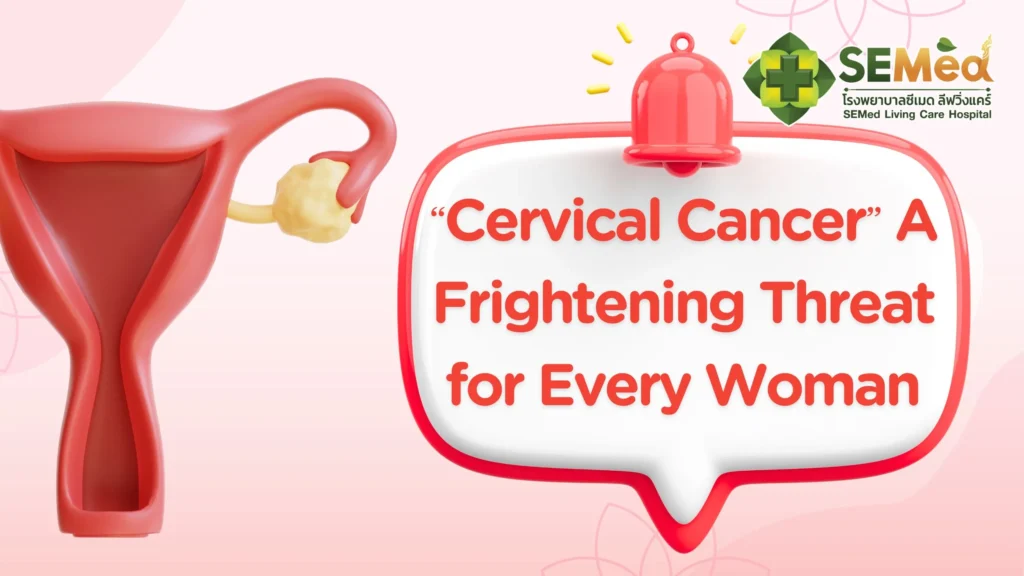
Cervical cancer is a dangerous health threat that affects women worldwide. It occurs in the cervix, which is the lower part of the uterus connecting to the vagina. While it is one of the most common cancers in women, advances in medical knowledge and technology have made prevention, early detection, and effective treatment possible. Causes of Cervical Cancer The primary cause of cervical cancer is infection with the human papillomavirus (HPV), especially high-risk strains like HPV 16 and 18. HPV is transmitted mainly through sexual contact. The virus triggers abnormal changes in the cells of the cervix, which, if left untreated, can turn into cancer. Other risk factors that increase the likelihood of developing cervical cancer Early sexual activity Multiple sexual partners or a partner with a history of HPV infection Smoking A weakened immune system, such as from HIV infection Not undergoing regular cervical cancer screening Symptoms of Cervical Cancer In its early stages, cervical cancer may not present any symptoms. However, as the disease progresses, women may experience the following symptoms: Vaginal bleeding after sexual intercourse Unusual or foul-smelling vaginal discharge Pain in the pelvis or pain during intercourse Heavy or irregular menstrual bleeding Difficulty urinating or blood in the urine If you experience any of these symptoms, it is essential to consult a healthcare provider for an accurate diagnosis. Diagnosis of Cervical Cancer Pap Smear: Cells are collected from the cervix to identify abnormal changes that may lead to cancer. HPV DNA Test: This test detects the presence of high-risk HPV strains in the cervix. Colposcopy: A magnifying device is used to examine the cervix for abnormalities. Biopsy: If abnormalities are detected, a small tissue sample is collected for further examination in a laboratory. Treatment of Cervical Cancer Surgery: In early stages, the cancerous tissue or the entire uterus (hysterectomy) may be removed. Radiation Therapy: High-energy radiation is used to destroy cancer cells, often combined with chemotherapy for advanced cancer stages. Chemotherapy: This method uses drugs to kill cancer cells throughout the body and is often combined with radiation therapy for more advanced cases. Prevention of Cervical Cancer HPV Vaccination: Vaccines against HPV can significantly reduce the risk of infection. It is recommended for boys and girls aged 9 to 26, ideally before sexual activity begins. Regular Screening: Regular Pap smears and HPV DNA tests help detect abnormal changes in the cervix early, allowing for timely treatment. Safe Sexual Practices: Using condoms can reduce the risk of HPV transmission. Avoid Smoking: Quitting smoking reduces the risk of developing cervical cancer. Cervical cancer is a serious threat to women’s health, but it is also one of the most preventable types of cancer. Prevention through HPV vaccination, regular screening, and lifestyle changes can significantly reduce the risk. Early detection of cervical cancer improves treatment outcomes. Women should remain aware of the symptoms and seek medical attention if any warning signs appear. By prioritizing prevention and early detection, the impact of cervical cancer on women’s health can be significantly reduced. We are committed to providing academic and professional support to organizations in the fields of health and occupational medicine. Our team offers expert health consultations, delivering attentive, fast, and effective services to ensure maximum satisfaction and benefit for all our clients. Whenever it’s time for a health check-up, think of SEMED Living Care Hospital. We never stop moving forward because your long term well being is our mission. TEL.: 0-2199-2111 To 161 Marketing DepartmentOr 081-358-6493 (Mr.Aon), 086-368-5317 (Mr.ICE)Email: [email protected]: @semedFacebook: SEMed living care hospital
Lung Diseases in Children: Causes, Symptoms, and Treatment
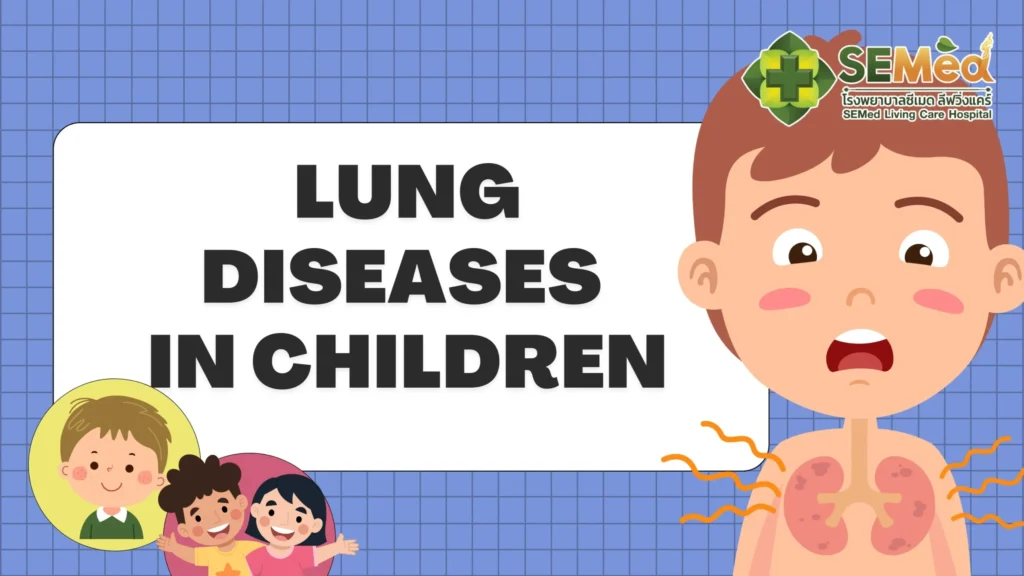
Lung diseases in children are a significant health issue that affects their physical and mental development. These diseases can have various causes and differ in severity. Understanding lung diseases in children helps parents and caregivers prevent and manage them effectively. Types of Lung Diseases in Children 1. Pneumonia Cause: Caused by infection from viruses, bacteria, or fungi. Symptoms: High fever, coughing, chest pain, difficulty breathing, rapid breathing, or wheezing sounds. Treatment: Treatment depends on the cause, such as antibiotics for bacterial infections and sufficient rest for recovery. 2. Bronchitis Cause: Caused by viral infections or irritation in the bronchial tubes. Symptoms: Dry or mucus-producing cough, wheezing, or chest pain. Treatment: Treatment includes symptom relief, such as fever reducers, steam inhalation, and drinking plenty of fluids. 3. Asthma Cause: Caused by genetic factors and external triggers such as dust, smoke, or allergens. Symptoms: Breathing difficulty, wheezing, persistent cough (especially at night or after exercise). Treatment: Treatment involves using bronchodilators and asthma control medications and avoiding triggers that can cause symptoms. 4. Bronchopulmonary Dysplasia (BPD) Cause: Occurs in premature babies whose lungs are underdeveloped. Symptoms: Breathing difficulties, rapid breathing, wheezing, and the need for breathing support. Treatment: Care includes oxygen therapy, bronchodilator medications, and proper nutrition. Causes of Lung Diseases in Children Viral and Bacterial Infections: Common viruses include Respiratory Syncytial Virus (RSV) and influenza. Common bacteria include Streptococcus pneumoniae. Genetic Factors: Diseases like asthma may be inherited. Air Pollution: Exposure to pollutants like PM2.5 particles, cigarette smoke, and other air contaminants. Premature Birth: Premature birth can lead to underdeveloped lungs in infants. Symptoms to Watch For Persistent cough, especially at night. Rapid, heavy breathing or wheezing sounds when breathing. High fever with cough and breathing difficulties. Lips or nails turning blue or purple. If a child shows these symptoms, parents should seek medical attention immediately. Diagnosis Doctors diagnose lung diseases in children by examining the child’s medical history and physical health. Tests may include chest X-rays, sputum analysis, or oxygen level tests to identify the cause and plan the right treatment. Treatment of Lung Diseases in Children Medications: Antibiotics, bronchodilators, or anti-inflammatory drugs, depending on the condition. Oxygen Therapy: Used for children with severe breathing problems. Symptom Management: Includes adequate rest, hydration, and a nutritious diet. Prevention of Lung Diseases in Children Vaccinations: Immunizations against flu, pneumonia, and RSV are essential. Avoiding Air Pollution: Reduce exposure to cigarette smoke, dust, and smoke from burning materials. Hand Hygiene: Encourage frequent handwashing to reduce viral infections. Boosting Immunity: Ensure a balanced diet, adequate sleep, and a healthy lifestyle for children. Lung diseases in children are a health concern that requires attention, as they can affect a child’s overall health. Parents should watch for symptoms and seek medical help if needed. Preventive measures, such as vaccinations, avoiding pollutants, and promoting healthy lifestyles, can significantly reduce the risk of lung diseases in children. We are committed to providing academic and professional health information support to workplaces, covering a wide range of topics in general health and occupational medicine. Our team offers expert health consultations, delivering caring, prompt, and efficient services to ensure customer satisfaction and maximum benefit. Whenever it’s time for a health check-up, think of SEMed Living Care Hospital. We never stop improving because your long-term health is our priority. TEL.: 0-2199-2111 To 161 Marketing DepartmentOr 081-358-6493 (Mr.Aon), 086-368-5317 (Mr.ICE)Email: [email protected]: @semedFacebook: SEMed living care hospital
Heart Disease Risk
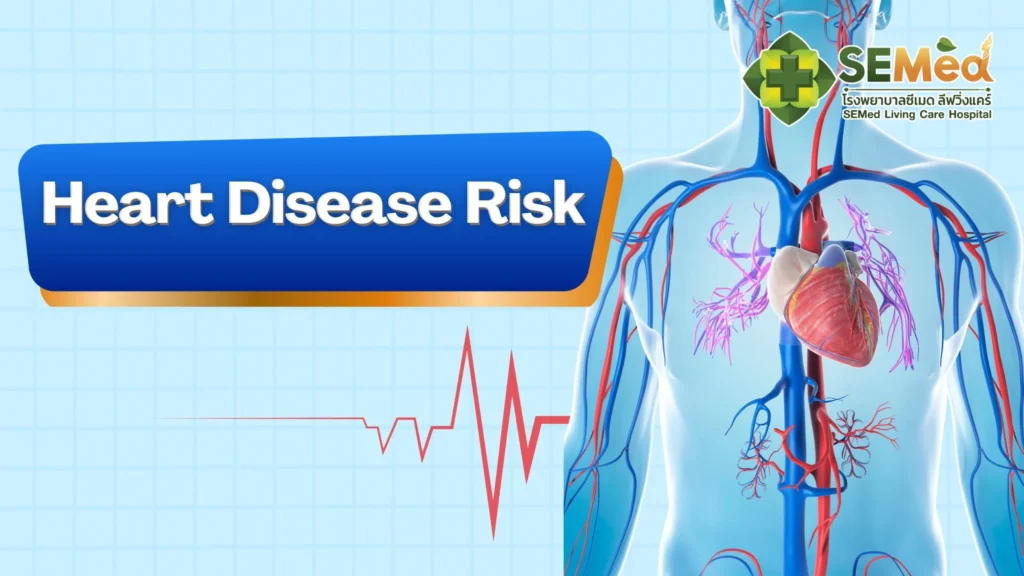
Heart disease is a major cause of death worldwide. It is caused by factors like lifestyle, genetics, and the environment. This article explains the main risk factors and how to reduce them. 1. Risk Factors for Heart Disease 1.1 Uncontrollable Risk Factors Genetics: If heart disease runs in your family, your risk is higher. Age: The risk increases as you get older, especially for men over 45 and women over 55. Gender: Men have a higher risk of heart disease earlier in life. After menopause, women’s risk also increases. 1.2 Controllable Risk Factors Diet: Eating too much saturated fat, trans fat, and sugar raises the risk. Smoking: Smoking damages blood vessels and increases the chance of artery blockage. Lack of Exercise: Being inactive increases the risk of obesity, which raises heart disease risk. Stress: Unmanaged stress can raise blood pressure and affect heart health. Alcohol: Drinking too much alcohol raises blood pressure and cholesterol, which increases risk. 1.3 Health Conditions that Increase Risk Diabetes: High blood sugar damages blood vessels, raising the risk. High Blood Pressure: It makes the heart work harder, which can cause heart failure. High Cholesterol: Cholesterol can build up in arteries, leading to blockages. 2. How to Reduce Heart Disease Risk 2.1 Lifestyle Changes Healthy Eating: Eat more fruits, vegetables, and whole grains. Avoid saturated fats and trans fats. Exercise: Do at least 150 minutes of physical activity each week. Quit Smoking: Quitting smoking lowers the risk of heart disease. Manage Stress: Try relaxation methods like meditation, yoga, or listening to music. 2.2 Regular Health Checkups Regular health checkups help detect early signs of high blood pressure, high blood sugar, and high cholesterol so that they can be treated. 2.3 Managing Health Conditions Controlling diabetes, high blood pressure, and high cholesterol helps lower the risk of heart disease. Follow the doctor’s advice and take medications as prescribed. Heart disease risk can be reduced by adopting a healthy lifestyle, managing existing health conditions, and getting regular health checkups. While some risk factors like age and genetics cannot be changed, healthy habits can greatly reduce the overall risk. Raising awareness and educating people about heart disease can lead to better heart health for everyone. We are committed to providing academic and professional health information support to workplaces, covering a wide range of topics in general health and occupational medicine. Our team offers expert health consultations, delivering caring, prompt, and efficient services to ensure customer satisfaction and maximum benefit. Whenever it’s time for a health check-up, think of SEMed Living Care Hospital. We never stop improving because your long-term health is our priority. TEL.: 0-2199-2111 To 161 Marketing DepartmentOr 081-358-6493 (Mr.Aon), 086-368-5317 (Mr.ICE)Email: [email protected]: @semedFacebook: SEMed living care hospital
Why Water is Important and How Much Should You Drink?

Water is a key part of our body. It helps with digestion, delivers nutrients, removes waste, and keeps our body temperature balanced. Drinking the right amount of water every day is important for staying healthy. But how much is enough? Here’s a simple guide to calculate how much water you need and some tips to stay hydrated. 1. How to Calculate Your Water Needs You can figure out how much water to drink based on your body weight with this formula: Body weight (kg) × 30 milliliters Example:If you weigh 60 kilograms: 60 × 30 = 1,800 milliliters (or 1.8 liters) per day If you exercise a lot or live in a hot climate, you should drink an extra 500–1,000 milliliters to replace the water you lose through sweat. 2. Things That Affect Your Water Intake • Exercise: When you exercise, you sweat and lose water. Make sure to drink enough water to stay hydrated. If you sweat a lot, you might also need electrolyte drinks. • Hot Weather: On hot or dry days, drink more water to avoid dehydration. • Health Conditions: If you have health issues like kidney or heart problems, talk to your doctor to find out how much water is right for you. • Pregnancy or Breastfeeding: Pregnant and breastfeeding women need extra water to meet their body’s needs 3. Easy Tips to Drink More Water • Set a Goal: Use a water bottle with measurement lines to track how much water you drink during the day. It makes staying hydrated easier and more fun! • Drink Before Meals: Drinking water before eating helps with digestion and keeps you on track with your daily water goal. • Carry a Water Bottle: Having water with you makes it easy to take a sip whenever you’re thirsty. • Add Some Flavor: If plain water is boring, add a slice of lemon or some fresh fruit to make it tastier and more fun to drink. 4. What Happens If You Don’t Drink Enough? Not drinking enough water can cause: Tiredness and low energy Dry skin and lips Digestion problems like constipation Poor physical and mental performance Drinking enough water every day is essential for your body to stay healthy and work properly. Use the simple formula to calculate your water needs, and adjust based on your activity level and the weather. Remember to carry a water bottle, set daily goals, and make drinking water a habit to improve your health. At SEMed Living Care Hospital, we care about your well-being. We offer full health checkup programs, including tests for your liver, kidneys, lungs, and heart. Our in-house lab ensures fast and accurate results to give you the best care possible. We are committed to providing academic and professional health information support to workplaces, covering a wide range of topics in general health and occupational medicine. Our team offers expert health consultations, delivering caring, prompt, and efficient services to ensure customer satisfaction and maximum benefit. Whenever it’s time for a health check-up, think of SEMed Living Care Hospital. We never stop improving because your long-term health is our priority. TEL.: 0-2199-2111 To 161 Marketing DepartmentOr 081-358-6493 (Mr.Aon), 086-368-5317 (Mr.ICE)Email: [email protected]: @semedFacebook: SEMed living care hospital
Improve Your Sleep with a Sleep Test
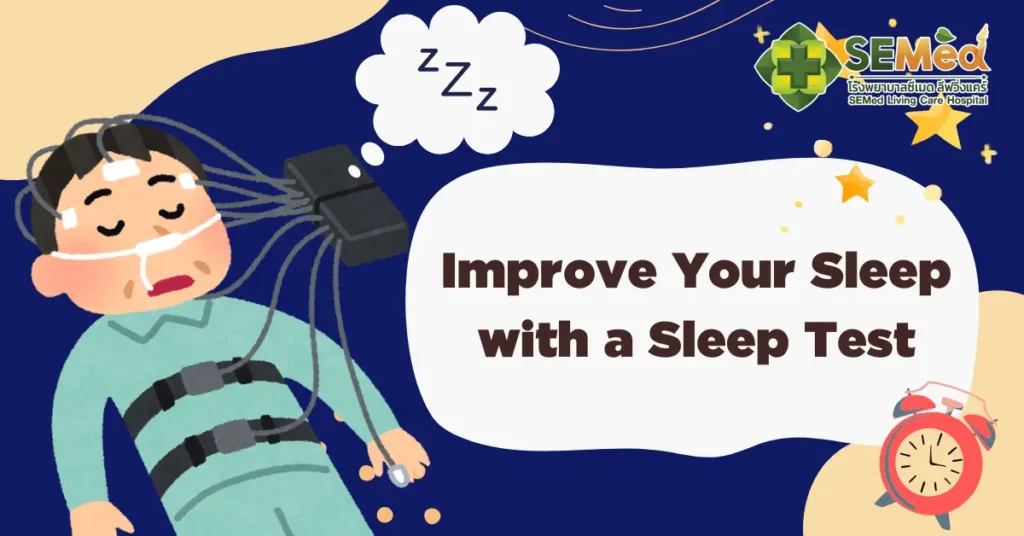
A Sleep Test is a health check that helps you understand your sleep patterns and find problems that may affect your health. These problems can include insomnia, sleep apnea, or other sleep disorders. This article will explain why Sleep Tests are important and how they work. Why Is a Sleep Test Important? 1. Find Sleep Problems A Sleep Test helps doctors identify issues like sleep apnea, which can lead to serious health problems like heart disease, high blood pressure, or diabetes if not treated. 2. Improve Your Life If you often feel tired during the day, fixing your sleep problems can help you sleep better, feel more energized, and improve your overall health. 3. Prevent Accidents Poor sleep can make you feel drowsy during the day, increasing the risk of accidents, especially when driving. How Does a Sleep Test Work? 1. Preparing for the Test Avoid alcohol and caffeine on the test day. Stick to your usual sleep routine. Wear comfortable clothes for sleeping. 2. In-Lab Sleep Test (Polysomnography) Sensors are attached to track your brain activity, breathing, and heart rate. Data is recorded overnight to analyze your sleep. 3. At-Home Sleep Test If you can’t go to a lab, you can use a portable device at home to collect sleep data, which is then reviewed by a doctor. 4. Getting Results The doctor will review the data to find any problems and suggest treatments, such as a CPAP machine for sleep apnea. Who Should Get a Sleep Test? People who snore loudly. Those who feel very sleepy during the day. People who wake up many times during the night. Those with high blood pressure or heart issues. A Sleep Test helps you understand and fix sleep problems, improving your overall health. Good sleep not only boosts your daily energy but also reduces the risk of long-term health problems. If you think you have sleep issues, talk to a doctor to get advice and the right treatment. We are committed to providing academic and professional health information support to workplaces, covering a wide range of topics in general health and occupational medicine. Our team offers expert health consultations, delivering caring, prompt, and efficient services to ensure customer satisfaction and maximum benefit. Whenever it’s time for a health check-up, think of SEMed Living Care Hospital. We never stop improving because your long-term health is our priority. TEL.: 0-2199-2111 To 161 Marketing DepartmentOr 081-358-6493 (Mr.Aon), 086-368-5317 (Mr.ICE)Email: [email protected]: @semedFacebook: SEMed living care hospital
Smoking and Lung Diseases: The Hidden Danger for the Unaware
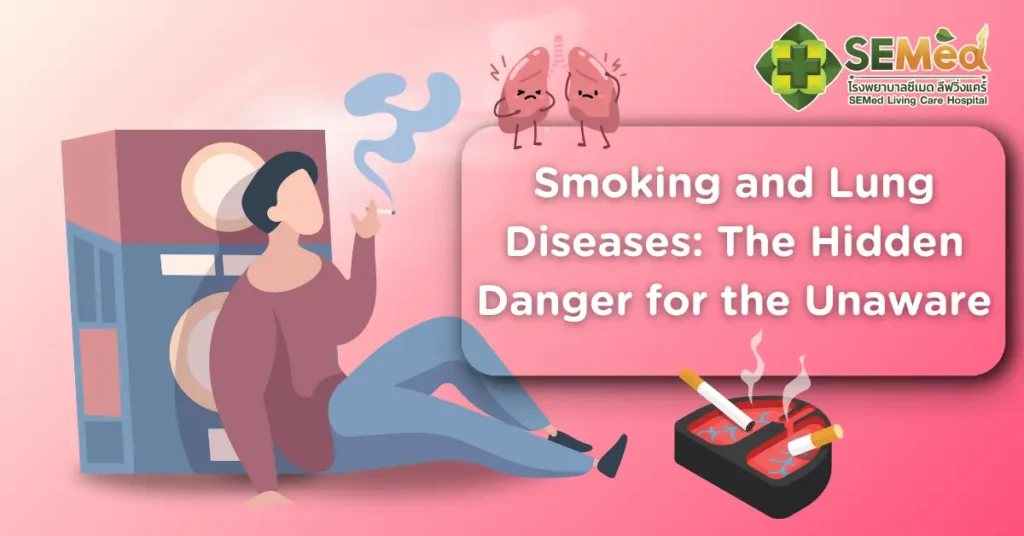
Smoking and Lung Diseases: The Hidden Danger for the Unaware Smoking is a dangerous addiction often underestimated. It severely impacts overall health, especially the lungs — the vital organs responsible for our breathing. Smoking is like planting a time bomb inside the body. Cigarette smoke contains thousands of toxic and carcinogenic chemicals that, once inhaled, damage the lungs and other organs, leading to life-threatening diseases. How does smoking damage the lungs? • Destroys lung cells Toxins in cigarette smoke destroy lung cells, causing chronic inflammation and impairing lung function. The lungs are crucial for filtering clean air into the body and removing waste gases. • Blocks the airways Toxins stick to airway walls, narrowing the bronchial tubes and making breathing difficult. In severe cases, ventilators may be required. • Increases the risk of lung cancer Carcinogens in cigarette smoke are the primary cause of lung cancer. Most cases of lung cancer are linked to smoking, though air pollution is also a contributing factor. • Causes emphysema The alveoli (air sacs) in the lungs are destroyed, disrupting the exchange of oxygen and carbon dioxide. • Leads to chronic obstructive pulmonary disease (COPD) A progressive respiratory disease that causes long-term breathing difficulties. Other diseases caused by smoking include: Heart and vascular diseases: Smoking hardens blood vessels, increasing the risk of heart attacks and strokes. Various cancers: Such as oral cancer, throat cancer, stomach cancer, and pancreatic cancer — many linked back to lung damage. Stroke: Smoking thickens the blood, raising the risk of blood clots blocking brain vessels, leading to paralysis. Diabetes: Smoking interferes with insulin function, increasing the risk of diabetes. Pregnancy complications: Women who smoke have higher risks of miscarriage, premature birth, and babies born with poor health. 5 Effective Ways to Quit Smoking 5 Effective Ways to Quit Smoking and Protect Your Lungs Quitting smoking is one of the best investments for your health and the health of your loved ones. Once you quit, your body begins to heal, and your risk of developing serious diseases decreases rapidly. Simple ways to quit smoking and improve lung health: Set a firm goal: Establish a clear purpose and strong motivation. Seek help: Consult a doctor or professional for support. Use nicotine replacement therapy: Helps reduce cravings. Avoid smoking environments: Stay away from places or people who smoke to minimize triggers. Find alternative activities: Keeping busy helps divert attention, as most smokers are more addicted to the habit than to nicotine itself. Don’t let smoking destroy your life. Quitting today is the first step toward a healthier, happier future.Remember to get your lungs checked regularly, as not only cigarette smoke but also air pollution and fine dust particles can cause serious lung diseases.For those working in environments with high exposure to toxic substances, extra caution is crucial.At Semed Living Care Hospital, we understand the importance of lung health.That’s why we offer specialized lung health check-up programs, available for you to access and protect your well-being. TEL.: 0-2199-2111 To 161 Marketing DepartmentOr 081-358-6493 (Mr.Aon), 086-368-5317 (Mr.ICE)Email: [email protected]: @semedFacebook: SEMed living care hospital
Cigarettes and Lung Disease, A Hidden Danger of Carelessness
The Hidden Danger of CigarettesMany people underestimate the dangers of smoking, but it has a severe impact on health — especially on the lungs, which are essential for breathing. Smoking is like planting a time bomb inside your body. Cigarette smoke contains thousands of toxic and cancer-causing substances. Once they enter the body, they can damage the lungs and other organs, leading to serious diseases. How Does Smoking Harm the Lungs? • Destroys Lung Cells Toxic substances from cigarette smoke damage lung cells, leading to chronic inflammation. This reduces the lungs’ ability to breathe and filter clean air into the body while expelling dirty air. • Blocks Airways (Bronchi) The toxins stick to the walls of the airways (bronchi), making them narrower. This makes it harder to breathe. In severe cases, a ventilator may be required to assist with breathing. • Increases Lung Cancer Risk Cancer-causing substances in cigarette smoke are the main cause of lung cancer. Most people who develop lung cancer are smokers. Air pollution is another factor that can increase the risk. • Causes Emphysema Smoking damages the tiny air sacs (alveoli) in the lungs. This makes it harder for the body to exchange oxygen and carbon dioxide properly. • Causes Chronic Obstructive Pulmonary Disease (COPD) Smoking can lead to COPD, a disease that makes it hard to breathe all the time. Other Diseases Linked to Smoking Heart and Blood Vessel DiseaseSmoking makes blood vessels stiff and narrow, which increases the risk of heart attack and stroke. Other CancersSmoking can cause cancers in other parts of the body, like the mouth, throat, stomach, and pancreas. StrokeSmoking increases the thickness of the blood, making it easier for clots to form. If a clot blocks blood flow in the brain, it can cause a stroke or paralysis. DiabetesSmoking disrupts insulin function, raising the risk of diabetes. Pregnancy ComplicationsPregnant women who smoke have a higher chance of miscarriage, preterm birth, or having babies who are underweight or have health problems. 5 Simple Ways to Quit Smoking and Improve Your Health Quitting smoking is one of the best things you can do for your health and for the people you love. Once you stop, your body begins to heal and your risk of developing many diseases decreases quickly. Here’s How You Can Quit Smoking Set a Clear GoalDecide that you want to quit and have a strong reason to keep you motivated. Ask for HelpTalk to a doctor or specialist who can give you advice and support. Use Nicotine Replacement ProductsProducts like nicotine gum or patches can reduce cravings and help you quit. Avoid TriggersStay away from places where people smoke, as it can make you want to smoke too. Find a New Hobby or DistractionKeep yourself busy with activities to avoid thinking about smoking. Many people fail to quit because they are more attached to the habit than the nicotine itself. Take Back Control of Your LifeDon’t let cigarettes control your life. Quitting smoking today is the first step to a healthier, happier, and stronger life. It’s also a good idea to get your lungs checked regularly because not only cigarette smoke but also pollution and dusty air can damage the lungs. SEMed Living Care Hospital understands the importance of lung health. That’s why they offer a special lung health check-up program. You can visit them to check the condition of your lungs and take better care of your health.
Discover 5 Easy Stress Management Tips to Restore Balance
Discover 5 Easy Stress Management Tips to Restore Balance and Boost Your Well-being Stress is a silent threat that affects not only mental health but also physical well-being. Many people either refuse to acknowledge their stress or are unaware of what is causing it, making stress management even more challenging. Nowadays, a growing number of individuals experience chronic stress, leading to mental imbalances that can develop into depression, anxiety disorders, obsessive-compulsive behaviors, or other psychological conditions. Let’s explore how we can better manage stress and achieve emotional balance. 3 Major Factors That Influence Stress 1. Personal Factors Personal factors contributing to stress include both physical and emotional aspects. Physically, chronic illnesses like diabetes, cancer, or other long-term diseases can trigger stress. Emotionally, an individual’s ability to cope with life’s challenges, control emotions, and let go of problems plays a vital role. Poor emotional regulation can easily lead to persistent stress. 2. Environmental Factors The environment significantly impacts mental health. Imagine living in a crowded, drug-infested community—constant fear and anxiety become a way of life, leading to heightened stress levels. In contrast, those living in peaceful, green neighborhoods with a better quality of life experience less stress. While not universal, environmental conditions often influence emotional well-being. 3. Social Factors and Unpredictable Situations Social interactions are crucial to mental health. Even those who prefer solitude are constantly exposed to social environments, especially through social media. Comparing one’s life to others online can lead to dissatisfaction and emotional strain. Additionally, unpredictable events like pandemics or natural disasters can contribute to future-oriented anxiety and chronic stress. Practical Ways to Cope with Stress 1. Focus on What You Can Control Prioritize what truly matters and learn to let go of things beyond your control. While easier said than done, this mindset is critical for reducing unnecessary stress and protecting your mental health. 2. Practice Mindfulness and Physical Relaxation Mindfulness techniques, such as meditation and deep breathing, can help regulate emotions and reduce stress. Physical activities like exercise release endorphinsnatural chemicals that promote happiness and allow you to temporarily disconnect from worries. 3. Seek Help When Needed If stress becomes overwhelming, don’t hesitate to reach out for support. Talk to friends, family, or loved ones. If stress persists or worsens, consulting a therapist or psychologist is highly recommended. They can offer guidance free of bias and help you find new perspectives. 4. Create a Balanced Lifestyle Dedicate time for rest and enjoyable activities. Pursuing hobbies or simple pleasures helps relax the mind. Carefully organizing your schedule to balance work and leisure activities is essential to sustaining emotional health. A Positive Mind Leads to a Healthy BodyPay close attention to your thoughts and emotions. If you notice overwhelming negativity or persistent stress, take action early. The sooner you manage your stress, the better for your mental and physical health. A bright, peaceful mind fosters a healthy, thriving life. We are committed to providing academic and professional health information support to workplaces, covering a wide range of topics in general health and occupational medicine. Our team offers expert health consultations, delivering caring, prompt, and efficient services to ensure customer satisfaction and maximum benefit. Whenever it’s time for a health check-up, think of SEMed Living Care Hospital. We never stop improving because your long-term health is our priority. TEL.: 0-2199-2111 To 161 Marketing DepartmentOr 081-358-6493 (Mr.Aon), 086-368-5317 (Mr.ICE)Email: [email protected]: @semedFacebook: SEMed living care hospital
5 Simple Ways to Manage Stress for a More Balanced Life
Stress is a serious problem that affects both our mental and physical health. Many people don’t realize they’re stressed, or they don’t know exactly what’s causing it. This makes it hard to address stress. Today, many people have accumulated stress, which leads to an imbalanced mind and can cause issues like depression, anxiety, and other mental health problems. Let’s look at how we can manage stress and create a better balance in life. 3 Factors That Contribute to Stress 1. Personal Factors Stress can be caused by both physical and emotional factors. Physically, it might come from ongoing health problems like diabetes or chronic illnesses. Emotionally, stress arises from how we manage our feelings, especially when things don’t go as planned. If we can’t let go of problems, they can lead to stress. 2. Environmental Factors Our surroundings can greatly affect our stress levels. For example, living in a crowded, unsafe environment can cause constant fear and anxiety, leading to stress. On the other hand, people who live in peaceful areas with nature to enjoy and take care of themselves tend to have less stress. While not everyone is affected the same way, this is one of the factors that can influence stress. 3. Social Factors and Unpredictable Events Social interactions are important for managing stress. Even if someone doesn’t enjoy socializing much, they are still part of society in some way. For people who are more sensitive, social pressures can lead to stress. Social media also makes it easy to compare ourselves to others, which can cause discomfort and increase stress. Additionally, unexpected events like diseases or natural disasters can create anxiety about the future. Tips for Managing Stress 1. Prioritize What Matters: “Focus on what you can control and let go of what you can’t.” This may sound simple, but it can be very difficult. Stress negatively impacts us, so learning how to manage it is key. Training our minds to focus on what we can control is important. 2. Practice Mindfulness and Relaxation, Such as Meditation, Breathing, or Exercise “Mindfulness brings wisdom.” This means that practicing mindfulness helps us control not only our bodies but also our stress and emotions. Exercise is also a great way to relieve stress because it releases endorphins that make us feel happy. When we exercise, we focus solely on the activity, which can help us forget about our stress for a while. 3. Seek Help When Stress Becomes Too Much Many people turn to close friends, family, or partners for support when they’re stressed. However, if stress becomes overwhelming, it’s a good idea to see a doctor or therapist. While some people might feel uncomfortable about visiting a therapist, remember that they are trained professionals who can offer helpful advice and new perspectives. 4. Create Balance in Your Life: Make Time for Rest and Enjoyable Activities Everyone should have activities they enjoy, even if they are small. Finding things that make us happy can help relieve stress. It may take some planning, but setting aside time for relaxing activities is essential for reducing stress. Good mental health is essential for overall well-being. If you’re feeling stressed or having negative thoughts, take time to reflect on your mental state. The sooner you address stress, the better it will be for your health. When your mind is clear and positive, your physical health will improve as well.
“Liver Cancer” What You Need to Know and How to Protect Yourself

Liver cancer is one of the most common types of cancer and a leading cause of death worldwide, especially in Asia and Thailand. The liver plays a crucial role in detoxifying the body, producing proteins, and regulating metabolism. Understanding liver cancer can help raise awareness and encourage better liver care. What is Liver Cancer? Liver cancer occurs when liver cells grow abnormally. It is divided into two main types 1. Primary Liver Cancer Originates in the liver cells themselves. The most common type is Hepatocellular Carcinoma (HCC). 2. Secondary Liver Cancer Starts in other organs, like the colon, breast, or lungs, and spreads to the liver. Causes and Risk Factors Hepatitis Virus Infections Hepatitis B (HBV) and Hepatitis C (HCV) are major risk factors. Chronic infections can lead to liver inflammation and cirrhosis. Excessive Alcohol Consumption Long-term alcohol use is a key cause of cirrhosis, which increases the risk of liver cancer. Fatty Liver and Obesity Non-Alcoholic Fatty Liver Disease (NAFLD) is linked to an increased risk of liver cancer. Exposure to Toxins Such as aflatoxin, a substance found in poorly stored grains or nuts. Diabetes and High Blood Pressure Both conditions are associated with metabolic syndrome, which affects liver health. Symptoms of Liver Cancer 1. Early Symptoms Fatigue Unexplained weight loss Loss of appetite Abdominal bloating or discomfort in the upper right side 2. Advanced Symptoms: Pain in the upper right abdomen Yellowing of the skin and eyes (jaundice) Swelling in the abdomen due to fluid build-up (ascites) Detectable lump in the liver area If you notice these symptoms, see a doctor promptly for further examination. Diagnosis Blood Tests: Measures Alpha-Fetoprotein (AFP), often elevated in liver cancer patients. Ultrasound: To detect abnormalities or tumors in the liver. Advanced Imaging: CT scans or MRIs provide detailed images of the liver. Biopsy: A tissue sample is taken from the liver to confirm the diagnosis. Treatment for Liver Cancer Treatment depends on the cancer stage, overall health, and liver function. Common treatments include: Surgery: Suitable for early-stage patients with no spread of the cancer. Liver Transplant: Recommended for patients with cirrhosis who cannot undergo surgery. Localized Treatments: Techniques like Radiofrequency Ablation (RFA) or Transarterial Chemoembolization (TACE) target cancer cells directly. Medication: Includes targeted therapy and immunotherapy to slow or stop cancer growth. Palliative Care: Focuses on symptom relief and improving quality of life for advanced-stage patients. Preventing Liver Cancer Prevent Hepatitis Infections: Get vaccinated for Hepatitis B. Avoid sharing needles and practice safe sex. Limit Alcohol Consumption: If you drink, do so in moderation. Maintain a Healthy Lifestyle: Eat a balanced diet and exercise regularly to avoid obesity. Avoid Toxins in Food: Store grains and nuts properly to prevent mold contamination. Regular Health Check-ups: Especially for those with risk factors like hepatitis or fatty liver disease. Liver cancer is a serious disease, but early detection and treatment can improve outcomes. By understanding the risk factors, symptoms, and prevention strategies, you can take proactive steps to protect your liver and overall health. Start taking care of your body today to reduce the risks and enjoy a healthier future. สอบถามรายละเอียดเพิ่มเติม โทร.: 0-2199-2111 ต่อ 161 แผนกการตลาด หรือ 081-358-6493 (คุณอ้น), 086-368-5317 (คุณไอซ์) อีเมล: [email protected] LINE: @semed Facebook: SEMed living care hospital
