
Dengue fever
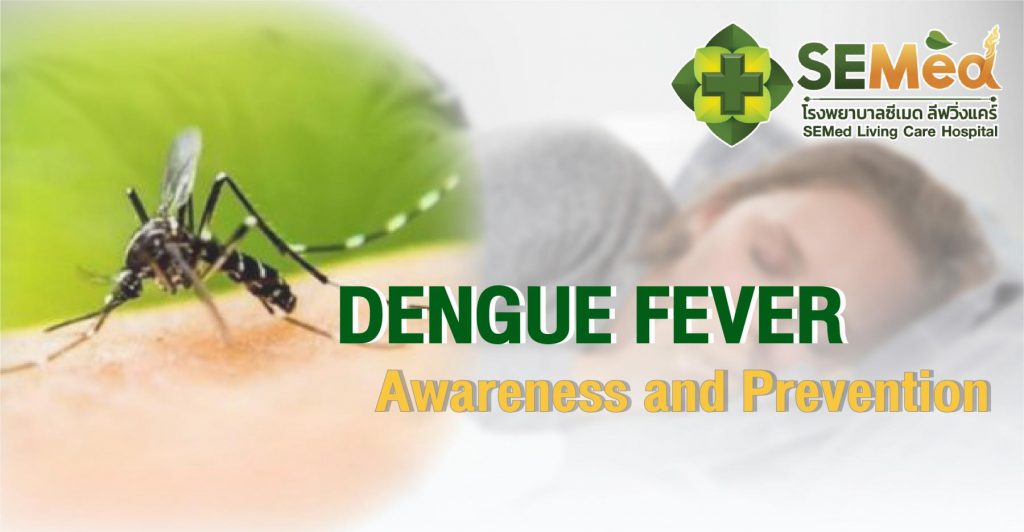
The Department of Disease Control, Ministry of Public Health, has forecasted based on epidemiological principles that in 2023, Thailand is expected to see an increased outbreak of Dengue Fever, following the cyclical pattern of the disease. From January 1 to June 8, 2023, there have been 19,503 reported cases of Dengue Fever, with an incidence rate of 29.47 per 100,000 population, and 17 deaths. The number of cases in 2023 is 3.8 times higher than the same period in 2022. The age group with the highest incidence rate is 5-14 years, followed by 15-24 years. The provinces with the highest incidence rates in the past month are Trat, Nan, Chanthaburi, Mae Hong Son, and Satun, respectively. Dengue Fever is a public health issue caused by infection with the dengue virus, which has four strains and is transmitted by the Aedes mosquito. The key symptoms of the disease include high fever, bleeding, and if not promptly treated, can lead to shock, which may result in death. It is therefore crucial to closely monitor the disease and provide appropriate treatment, especially for those who develop shock. Symptoms of Dengue Fever Dengue Fever symptoms can be divided into three stages: Initial Stage: In this stage, patients experience high fever for about 5-7 days, along with muscle pain, rash, or red spots on the body, arms, and legs. Some may lose appetite and experience nausea and vomiting. Critical Stage: This stage is the most dangerous. Patients may feel fatigued, have reduced urination, experience abdominal pain, especially under the right ribcage, and exhibit abnormal bleeding such as nosebleeds, vomiting blood, or passing black stools. During this stage, fever decreases, hands and feet become cold, blood pressure drops, and shock, potentially leading to death, can occur. Recovery Stage: In this stage, patients begin to improve. Blood pressure stabilizes, urination increases, appetite returns, abdominal pain and bloating decrease, and patients feel more energetic. The total duration of Dengue Fever typically lasts about 7-10 days. Treatment for Dengue Fever Currently, there is no specific antiviral treatment for Dengue Fever. Therefore, treatment focuses on managing symptoms. Fever can be reduced with paracetamol and tepid sponging, but other fever-reducing medications such as aspirin or ibuprofen should be avoided. Bringing patients to a doctor promptly for proper diagnosis is crucial, especially in the early stages, so that close monitoring can be provided during the critical stage to prevent shock. How to Prevent Dengue Fever Since there is no vaccine that can directly treat Dengue Fever, prevention measures include: Protect Yourself: Wear long-sleeved clothing, sleep in rooms with mosquito nets or screens, and use mosquito repellent on the skin. Eliminate Mosquito Breeding Sites: Always cover water storage containers, change the water in vases or flower pots every 7 days, and spray chemicals or insecticides to kill adult mosquitoes. Dengue Vaccine: Vaccination against Dengue Fever is recommended for those who have previously contracted the disease, to prevent recurrence, which will reduce severity and be more effective. Source By Asst.Prof.Dr.CHONNAMET TECHASAENSIRI Division of Infectious Disease,Department of Pediatrics, Faculty of Medicine Ramathibodi Hospital, Mahidol University Department of Disease Control Ministry of Public Health PPTV Health Station แชร์
Tuberculosis

Tuberculosis (TB) is transmitted through the respiratory system—by talking, coughing, or sneezing without covering the mouth, causing the bacteria to become airborne. Individuals who inhale TB bacteria into their lungs may become infected and develop TB. However, not everyone who becomes infected will develop the disease, as the body has several mechanisms to fight and prevent TB. Only about 10% of those infected with TB bacteria will actually develop the disease. Key Symptoms: Persistent cough lasting more than two weeks Dry cough, cough with phlegm, or phlegm mixed with blood Chest pain and shortness of breath Low-grade fever, especially in the afternoon or evening Loss of appetite, weight loss, and fatigue Abnormal night sweats Important Risk Factors for Developing Pulmonary TB: Living with someone who has untreated TB, such as sharing the same household or workplace HIV infection Chronic illnesses such as diabetes, liver disease, or kidney disease Long-term use of immunosuppressive drugs, such as corticosteroids Living or working in environments where air conditioning is used constantly or in places with poor ventilation Smoking, alcohol consumption, and drug use Working in healthcare or caring for TB patients How to Determine if You Have Pulmonary TB: Sputum Examination with a Microscope: This method can definitively diagnose pulmonary TB, as TB bacteria can be seen in the sputum. Chest X-ray: A chest X-ray alone may not definitively diagnose pulmonary TB; sputum testing is also required. TB Culture: In cases where TB is suspected but the bacteria are not detected in the sputum, a TB culture may be necessary. Prevention: Regular health check-ups, including a chest X-ray, at least once a year Administering the BCG vaccine to newborns at hospitals or nearby healthcare facilities If TB is suspected, promptly seek medical evaluation Maintain good health by exercising regularly and eating nutritious food Avoid risky behaviors that could lead to HIV infection, which weakens the immune system and increases the risk of developing TB Avoid crowded places Young children and the elderly should avoid close contact with TB patients If there is a TB patient in the household, ensure they take their medication regularly and complete the full course of treatment as prescribed Source by : DEPARTMENT OF DESEASE CONTROL แชร์
